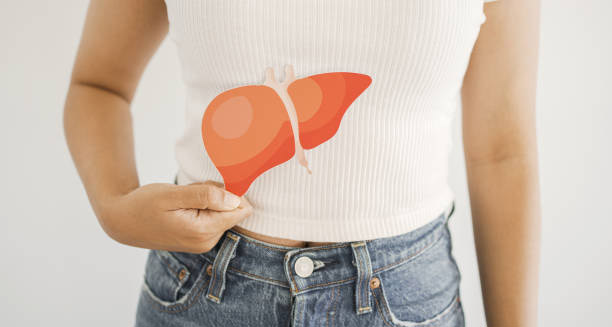

The symptoms of hepatitis B depend on if the infection is short-term (acute) or long-term (chronic). They also vary based on age and the strength of the immune system. Many people, especially those with chronic hepatitis B, may have no symptoms at all. Others feel sick, with signs ranging from flu-like symptoms to severe liver problems. Knowing the symptoms of hepatitis B helps people get diagnosed early, which prevents serious liver damage.
Signs of Acute Hepatitis B
Acute hepatitis B happens soon after infection. Symptoms usually appear 1 to 4 months after contact with the virus. Young children often have no symptoms, especially babies. Up to 90% of infected babies and about half of young children do not show any signs. Most adults, however, do notice symptoms.
Common Early Symptoms
Many people first feel like they have the flu. They may have:
- A mild fever
- Tiredness that gets worse
- Muscle or joint aches
- Headaches
- Loss of appetite
These signs can last for days before liver symptoms appear. This makes early diagnosis harder without blood tests.
Digestive Problems
After a few days, more stomach-related problems may show up, such as:
- Nausea or vomiting
- Pain in the upper right side of the belly
- Bloating or indigestion
These signs can be mistaken for food poisoning or a stomach bug if jaundice hasn’t appeared yet.
Liver Symptoms
As the liver gets more inflamed, clear signs of hepatitis B may appear:
- Yellow skin and eyes (jaundice)
- Dark urine
- Pale or grey stools
- Itchy skin
Jaundice may last a few weeks. The fever often goes away, but tiredness can remain.
Recovery or Ongoing Infection
Most people recover from acute hepatitis B within 6 months. Energy levels slowly improve, but tiredness may last a bit longer. Some people, mostly babies and young children, develop chronic hepatitis B because their bodies do not clear the virus.
Signs of Chronic Hepatitis B
One of the biggest risks with hepatitis B is that chronic infection often causes no symptoms for many years. This allows liver damage to build up quietly. This is why people call hepatitis B a “silent disease.”
Early Signs of Chronic Infection
When symptoms do appear, they are usually mild and easy to ignore, such as:
- Constant tiredness
- Mild belly pain
- Trouble focusing
- Feeling weak
- Poor appetite
These problems often come and go and may be blamed on stress or poor sleep.
Signs of Worsening Liver Disease
As liver damage grows worse, more serious symptoms show up, including:
Signs of Cirrhosis:
- A swollen belly from fluid (ascites)
- Swollen legs or ankles
- Small red spots on the skin (spider veins)
- Red palms
- Easy bruising or bleeding
- Weight loss and muscle loss
Brain Effects (Hepatic Encephalopathy):
- Confusion or forgetfulness
- Trouble sleeping
- Mood swings
- Shaky hands
- Severe cases can lead to coma
Liver Failure and Jaundice
In late stages, people may have:
- Strong yellowing of the skin
- Vomiting
- Dark urine and pale stools
- Belly pain or bloating
- Bleeding problems or vomiting blood
Liver Cancer (Hepatocellular Carcinoma)
Hepatitis B is a main cause of liver cancer. Cancer often shows no early signs. When it worsens, people may notice:
- Weight loss
- Pain on the right side of the belly
- A lump in the belly
- Tiredness or night sweats
People with chronic hepatitis B should have regular scans and blood tests to check for liver cancer.
In Summary
The symptoms of hepatitis B range from no signs at all to very serious liver problems. Some people recover from hepatitis B quickly, while others carry the virus for life without knowing. This can lead to liver scarring, failure, or cancer. Regular health checks are key, especially for people at risk or from areas where hepatitis B is common