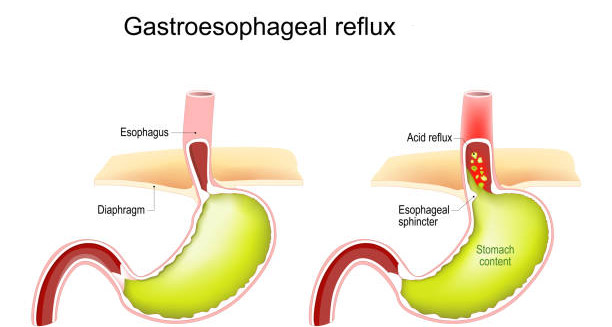

The symptoms of hiatus hernia can vary widely depending on the type, size, and severity of the hernia.
Some people may not feel anything at all. Others may struggle with constant stomach issues. Most of the time, the symptoms happen because stomach acid flows back into the food pipe. This happens when the stomach pushes up through the diaphragm. It weakens the lower end of the oesophagus, called the lower oesophageal sphincter (LES). Once this valve stops working well, acid and food can move back up. This causes pain and damage.
Knowing the symptoms of hiatus hernia helps people get help early and manage the problem better.
Mild to Moderate Symptoms
Small sliding hernias often show no signs. Many times, doctors find them by accident while checking for something else, like during an X-ray or endoscopy. But as the hernia gets bigger, or the valve stops working properly, symptoms begin to appear.
The first and most common symptom is heartburn. It feels like a burning in the chest or throat. This often happens after eating, lying down, or bending over. It gets worse if the valve can’t stop acid from moving upward.
Another common symptom is acid regurgitation. This means food or acid comes back up into the throat or mouth. It causes a bitter or sour taste. Sometimes, people feel liquid or bits of food come up without feeling sick. This often happens at night or while resting. It may even disturb sleep.
When acid stays in the food pipe for too long, it causes swelling. This leads to reflux oesophagitis. If untreated, it can become worse and lead to other issues.
Symptoms That Can Mimic Heart Problems
Many people also feel chest pain. It may feel like pressure, squeezing, or burning behind the breastbone. The pain might spread to the back, neck, or arms. Often, it worsens after meals or while lying flat.
Because the pain can feel like a heart attack, it causes panic and worry. That’s why anyone with chest pain must get checked quickly. Once doctors rule out heart problems, they can treat the hernia-related pain in better ways.
Trouble Swallowing and Bloating
As the hernia grows, swallowing may become hard. This happens when part of the stomach pushes on the food pipe. People often say food feels stuck or slows down while going down. They may take longer to eat and feel nervous while eating.
This problem may also link to swelling or narrowing in the food pipe. Acid damage over time can cause these changes.
Other signs include burping, gas, or feeling too full too soon. The stomach shifts upward, trapping air and slowing digestion. This leads to pressure, bloating, and swelling in the belly.
Some people feel full even after a few bites. This can be upsetting. When combined with other symptoms, it may lead to less eating and even weight loss or poor nutrition.
Breathing Problems and Throat Symptoms
A hiatus hernia can also affect the lungs and throat. If acid rises high enough, it can irritate the voice box and airways.
This can cause:
- A long-lasting cough
- A hoarse voice
- A sore throat
- A lump-in-the-throat feeling (called globus sensation)
In serious cases, acid might reach the lungs during sleep. This can trigger asthma-like signs or make lung conditions worse.
People who cough at night or have breathing problems should be checked for a hiatus hernia.
More Serious Symptoms of Larger Hernias
Large para-oesophageal hernias are less common but can be dangerous. In these, the stomach moves up next to the food pipe instead of sliding.
This may cause:
- Strong chest pressure
- Pain after eating
- Nausea and vomiting
In rare cases, the stomach can twist. This is called gastric volvulus. It blocks food and blood flow. Warning signs include vomiting, a swollen belly, and not being able to pass gas. These cases need emergency care right away.
Risks of Ignoring Symptoms
Ignoring the symptoms of hiatus hernia can lead to big problems. Long-term acid damage may cause Barrett’s oesophagus. This is when the cells in the food pipe change. It raises the chance of cancer.
Ongoing swelling can also lead to narrowing of the pipe. This makes swallowing harder and more painful over time.
These serious risks show why even small signs should not be brushed off. If people have known or possible hiatus hernias, they should treat even mild reflux early.
Managing the Symptoms of Hiatus Hernia
Luckily, many people feel better with the right steps. Changes in diet, how you sleep, and some medicines often help.
Noticing symptoms early and getting medical help can stop things from getting worse. People with repeated heartburn, chest pain, or trouble swallowing should get checked. Tests can show whether a hiatus hernia is the reason and help doctors find the best fix.
Final Thoughts on Symptoms of Hiatus Hernia
In short, symptoms of hiatus hernia range from light to severe. The most common ones are heartburn, regurgitation, chest pain, trouble swallowing, bloating, and breathing issues.
Since these symptoms can look like other problems, seeing a doctor is important. When found early, most symptoms of hiatus hernia can be treated well. This helps people live comfortably and avoid future problems.