
The symptoms of hydrocephalus can vary widely depending on the patient’s age, the speed at which the condition develops, and the underlying cause of the cerebrospinal fluid (CSF) build-up.
How Symptoms Affect the Brain
Hydrocephalus raises pressure inside the skull. This pressure changes how the brain works and its shape. Some symptoms are clear and quick, especially in babies. Others are harder to notice, mainly in older adults.
Understanding symptoms at different ages helps doctors spot hydrocephalus early. Symptoms might appear slowly or show up fast in sudden cases. Without quick care, hydrocephalus can cause serious problems.
Symptoms of Hydrocephalus in Infants
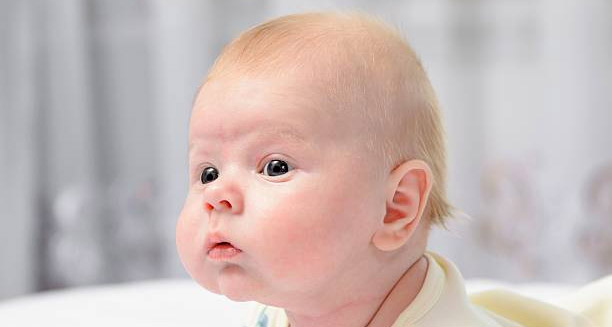
Babies with hydrocephalus often show physical signs different from older kids or adults. This happens because their skull bones are soft and can grow to hold more pressure.
- Their heads may grow bigger than usual. Parents might notice this, and doctors measure head size at check-ups.
- The soft spot on the head (fontanelle) may look swollen or tight, even when the baby is calm.
- Vomiting may happen because of pressure on the brain area that controls vomiting.
- Babies might cry a lot or seem very fussy from discomfort.
- Poor feeding and sleepiness are common but can be mistaken for other illnesses.
- Some babies may have seizures if the pressure is very high.
- Their eyes might look like they are staring down (“sunsetting eyes”) due to pressure on the brainstem.
If not treated early, these symptoms can worsen and lead to delays in growth, thinking problems, or physical issues.
Symptoms in Toddlers and Young Children
As children grow and their skull bones harden, symptoms change. They often show more brain and behaviour problems.
- Headaches are common, especially in the morning, caused by higher pressure when lying down.
- Nausea and vomiting may happen more, especially after waking up.
- Vision may blur or double due to pressure on the eye nerves.
- Kids may lose balance, be clumsy, or fall often.
- They might be late in learning to walk or talk.
- Personality changes, like being more irritable or withdrawn, can appear.
- Concentration and learning may suffer when they start school.
These symptoms develop slowly and may seem like other childhood issues. This makes careful check-ups very important.
Symptoms in Adolescents and Adults
In teens and adults, hydrocephalus symptoms show as signs of brain pressure and nerve problems.
- Headaches that don’t go away with normal medicine are a warning.
- Blurred or double vision can happen from swelling of the optic nerve.
- Nausea, especially in the morning or after sudden head movement, may occur.
- People may feel very tired and slow to react or remember things.
- Walking problems, like shuffling or unsteady steps, may appear.
- Fine motor skills, like writing or buttoning clothes, can get worse.
- Adults may have trouble controlling urine, especially with normal pressure hydrocephalus (NPH). This often comes with walking and memory problems.
- Memory loss, poor attention, and trouble planning tasks may look like dementia.
In older adults, hydrocephalus symptoms can be very mild and mistaken for diseases like Parkinson’s or Alzheimer’s, or just normal aging. This is common in normal pressure hydrocephalus, where ventricles get bigger but pressure seems normal.
Acute Symptoms and Medical Emergencies
Sometimes hydrocephalus develops very fast and needs urgent care. Warning signs include:
- Sudden, very bad headache
- Passing out
- Seizures
- Trouble breathing
- Fast decline in thinking skills
These symptoms mean pressure in the brain is dangerously high and can be deadly without quick treatment.
For people with a shunt to treat hydrocephalus, new headaches, vomiting, or vision changes may mean the shunt is blocked, infected, or broken. Immediate medical help is needed to avoid permanent harm or death.
Symptoms of Hydrocephalus in Older Adults (NPH)
Normal pressure hydrocephalus mostly affects people over 60. It usually causes three main symptoms:
- Gait problems — a shuffling, magnetic walk where feet seem stuck to the ground
- Urinary incontinence — needing to urinate urgently and often, with trouble starting flow
- Cognitive decline — memory loss, poor focus, and low motivation
Unlike Alzheimer’s or Parkinson’s, NPH symptoms can improve or reverse with surgery if caught early. This makes quick diagnosis very important.
The Importance of Early Recognition
Spotting hydrocephalus symptoms early is key for good treatment and outcomes. Early treatment, like shunt surgery or endoscopic third ventriculostomy, can control the condition well. Left untreated, fluid build-up can cause brain damage, severe disability, or death.
Everyone should know the warning signs for all ages — parents, caregivers, teachers, and doctors. Regular check-ups and brain development screenings should check for hydrocephalus when symptoms appear.
Conclusion
The symptoms of hydrocephalus vary by age, type, and how fast it develops. From a big head in babies to subtle thinking and walking changes in older adults, early recognition saves lives and improves quality of life. Hydrocephalus affects many people worldwide, so being watchful and aware helps catch it early and get the right treatment.
Symptoms of Hydrocephalus
Using the focus keyphrase “Symptoms of Hydrocephalus” here and in headings helps the content stay clear and easy to find for readers and search engines.