
Symptoms of ichthyosis usually include dry, thick, and scaly skin. The severity and areas affected depend on the type of ichthyosis. Symptoms can range from mild dryness to severe changes in skin function and appearance. Knowing the symptoms of ichthyosis helps with early diagnosis, better treatment, and supportive care.
Scaling and Dryness Are Common
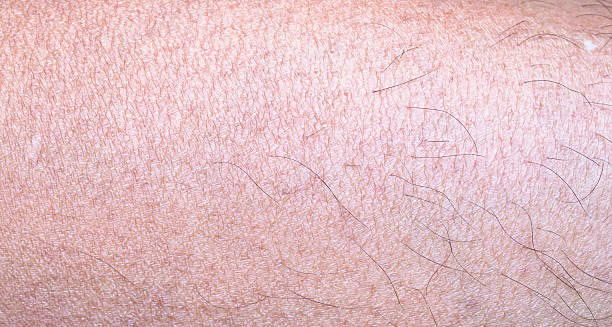
Most forms of ichthyosis cause scaling. The scales can look fine and white, like in ichthyosis vulgaris, or thick and dark, as in X-linked ichthyosis or lamellar ichthyosis. Scaling often appears on both sides of the body, especially on the arms, legs, and trunk. In ichthyosis vulgaris, the face is usually clear, but other types may involve the face too.
Dry skin, or xerosis, is another key symptom. It often feels rough and looks cracked, like dry soil. Dryness gets worse in cold or dry weather because the skin loses more moisture. Many people with ichthyosis also feel tightness or stiffness, especially after bathing or early in the morning when skin is driest.
Itching and Discomfort
Itching, or pruritus, is common and can be severe. Constant scratching may lead to cuts and raise the risk of infection. This can also cause redness, swelling, and more skin irritation. Severe itching can affect sleep and daily life.
Severe Signs at Birth
In some congenital forms, babies are born in a shiny, tight film called a collodion membrane. When it sheds, red, scaly skin appears. These newborns may also have ectropion (outward eyelids), eclabium (pulled lips), and limited joint movement due to tight skin. These are medical emergencies needing special care to prevent infection and dehydration.
Thickened Skin Over Time
Repeated damage and inflammation can make the skin very thick, a condition called hyperkeratosis. This is common on palms and soles, where the skin turns hard, yellowish, and prone to cracks. In folds like the groin or underarms, moisture and friction can cause painful splits or soft, macerated skin.
Hair, Nails, and Eyes May Be Affected
In some forms of ichthyosis, the scalp may flake heavily or even lose hair. Nails may thicken or show ridges. Eyes can also be affected, leading to dryness, irritation, or blinking problems from tight eyelid skin.
Emotional and Social Effects
The symptoms of ichthyosis are not only physical. Visible skin changes can cause stress, bullying, or low confidence, especially in kids and teens. These problems often last into adulthood and may affect work, relationships, and mental health. Emotional support and counseling are important for coping.
Syndromic and Systemic Symptoms
Some types of ichthyosis are part of broader syndromes. For example, Sjögren-Larsson syndrome adds nerve issues and learning delays. Refsum disease affects vision and hearing. These forms need care from many specialists.
Symptoms Change Over Time
The severity of symptoms of ichthyosis often changes. Mild cases may improve in puberty or with regular care. Other types may get worse with age or after illnesses, stress, or cold weather. Sudden flare-ups are common during winter or dry conditions.
Symptoms in Acquired Ichthyosis
Acquired ichthyosis usually looks like ichthyosis vulgaris but starts in adulthood. It often begins on the lower legs and spreads. It can signal serious health issues like lymphoma or kidney disease. Sudden onset in adults always needs full medical checks.
Summary
The symptoms of ichthyosis include much more than dry and scaly skin. They affect comfort, appearance, mental health, and sometimes internal organs. Early recognition and a full understanding of these symptoms help patients and doctors plan better care.