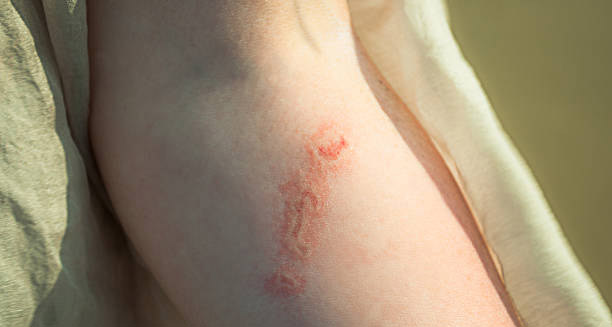

Jellyfish stings can result in a wide range of symptoms, from mild skin irritation to life-threatening systemic reactions, depending on several factors including the species of jellyfish, the amount of venom injected, and the individual’s response. Because jellyfish are found in virtually all oceans and seas, and because their appearances can vary so widely, it is therefore critical for individuals who frequent coastal environments to understand the various symptoms of jellyfish stings, how they present, and when they signal a medical emergency.
In this section, we explore the localized symptoms that most people will experience, as well as the more serious systemic effects that can occur. By understanding the early signs of a sting, one can ensure timely intervention and reduce the risk of complications.
1. Immediate Local Skin Reactions
The most common and immediate symptom of jellyfish stings is a sharp, burning, or stinging pain at the site of contact. This pain is often compared to the feeling of being whipped or burned. Typically, the pain begins within minutes and can last for several hours or even days, depending on the venom’s potency and the extent of exposure.
- Skin Appearance
- Initially, redness and inflammation develop: the affected area becomes red, swollen, and inflamed within minutes of the sting.
- Moreover, linear or whip-like welts often appear, resembling lash marks and forming patterns that match the tentacles.
- In some cases, fluid-filled blisters may develop.
- Additionally, bruising or skin discoloration can occur, particularly in severe or deep stings.
- Duration
- Mild stings may resolve within a few hours.
- Moderate stings might persist for several days.
- Conversely, severe reactions may leave scars or discoloration lasting weeks.
Generally, the greater the surface area of contact, the more intense and prolonged the symptoms are likely to be.
2. Pain and Discomfort
Pain is the hallmark symptom of jellyfish stings, and its severity can range from mild irritation to intense, debilitating agony. Initially, the pain is often localized but can spread if venom enters the bloodstream or affects nearby nerve endings.
- Nature of the Pain
- Most commonly, the pain is burning or stinging and usually immediate and sharp.
- It can also become throbbing or radiate to adjacent limbs or deeper tissues.
- Furthermore, muscle cramps or spasms may occur as some venom types cause involuntary muscular contractions.
- In certain species, such as the Irukandji jellyfish, pain may initially be mild or absent but rapidly intensifies over 30 minutes, often accompanied by anxiety and restlessness.
3. Allergic Reactions and Sensitivities
Some individuals develop allergic or hypersensitivity reactions to jellyfish venom, even if the sting itself is relatively minor. These reactions can be unpredictable and may appear within minutes or hours after the sting.
- Mild to Moderate Allergic Symptoms
- These include itching at or around the sting site, urticaria (hives), and swelling beyond the immediate area.
- Severe Allergic Reactions (Anaphylaxis)
- More seriously, difficulty breathing, swelling of the lips, tongue, or throat, drop in blood pressure, dizziness, or fainting may occur.
- Although rare, anaphylactic reactions are life-threatening and require immediate administration of adrenaline (epinephrine) and emergency medical care.
4. Systemic Effects from Highly Venomous Species
While most jellyfish stings affect only the skin, certain species release venom that can impact the entire body. These systemic symptoms are more common in tropical or subtropical waters and should always be treated as medical emergencies.
- Box Jellyfish (Chironex fleckeri)
- Typically causes severe pain at the sting site, heart palpitations, nausea, vomiting, and can lead to loss of consciousness within minutes.
- Irukandji Syndrome
- Begins with an initially mild sting followed by excruciating back, abdominal, or chest pain, elevated blood pressure, severe sweating, and anxiety or agitation.
- Portuguese Man o’ War
- Causes severe, long-lasting skin pain and, in some cases, difficulty breathing, joint pain, or muscle weakness.
These symptoms often develop quickly and can escalate rapidly, even in healthy individuals.
- Causes severe, long-lasting skin pain and, in some cases, difficulty breathing, joint pain, or muscle weakness.
5. Neurological and Psychological Symptoms
Though less common, jellyfish stings may also trigger neurological and psychological effects, particularly when venom interacts with the central nervous system or causes intense stress.
- Neurological Symptoms
- These include headaches, tingling or numbness around the mouth or extremities, visual disturbances, and loss of coordination.
- Psychological Impact
- Additionally, panic attacks or acute anxiety may occur during or after a sting.
- Some individuals develop phobias of swimming or open water following a severe incident.
- Post-traumatic stress may also occur in extreme cases, especially among children or those stung by dangerous species.
6. Delayed or Secondary Symptoms
Not all symptoms appear immediately. In some cases, individuals develop secondary infections, delayed allergic reactions, or post-inflammatory skin conditions days or weeks after the sting.
- Infections
- If the sting site is scratched or improperly cleaned, bacterial infections can develop, presenting with increased redness, warmth, pus, and pain.
- Such infections may require antibiotic treatment.
- Delayed Hypersensitivity
- Some individuals experience recurring rashes or itching at the original site days later, caused by a lingering immune response.
- These symptoms may require antihistamines or topical steroids.
- Scarring and Skin Changes
- Deep stings may leave hyperpigmentation, hypopigmentation, or raised scars.
- Persistent cosmetic concerns may warrant dermatological consultation.
7. Pediatric Symptoms
Children are particularly vulnerable to jellyfish stings due to their smaller body mass and thinner skin. Consequently, their symptoms may be more intense and can progress quickly.
- Skin Sensitivity
- Blisters and swelling tend to be more pronounced in children.
- Also, a greater surface area may be affected relative to body size.
- Systemic Reactions
- There is a higher likelihood of vomiting, breathing difficulties, and fainting in children.
- Moreover, young children may be unable to clearly communicate their pain, which can delay treatment.
For these reasons, immediate medical attention is always advised when a child has been stung by a jellyfish, especially if the species is unknown.
Conclusion
The symptoms of jellyfish stings can be wide-ranging, from mild skin irritation and localized pain to life-threatening systemic complications. Therefore, recognizing the full spectrum of symptoms is essential for determining whether immediate first aid is sufficient or if emergency care is required.
Swimmers, divers, and coastal travelers should educate themselves about local jellyfish species and remain vigilant in and around water. With early recognition and timely intervention, the majority of jellyfish stings can be effectively managed, minimizing both physical and emotional distress.