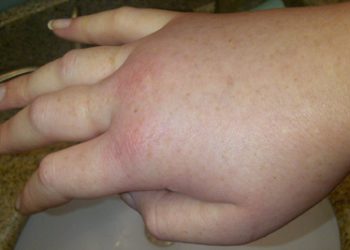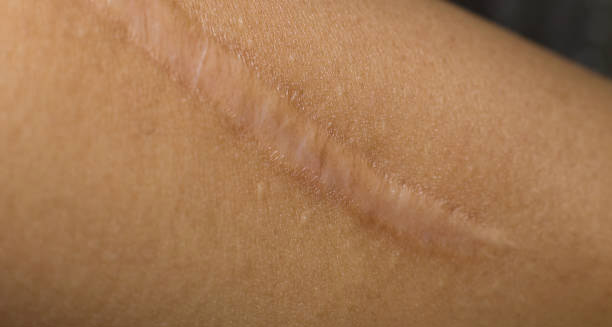

Keloid scars often begin with mild symptoms but can grow into more visible and bothersome problems. These symptoms range from cosmetic concerns to pain and limited movement. Unlike regular scars that fade over time, keloids can grow, itch, and cause discomfort for years.
Keloids form when the body produces too much collagen during healing. This results in raised, firm, and often irregular growths that spread beyond the original wound. They can continue to enlarge long after the skin has closed, creating both physical and emotional challenges.
1. Progressive Overgrowth of Scar Tissue
The most distinct feature of a keloid is its ongoing growth. A small bump may first appear where an injury—such as a cut, burn, acne spot, or piercing—once was. Over time, this bump can thicken and widen into a firm, shiny mass with rounded edges.
Unlike hypertrophic scars, which stay within the wound’s boundaries, keloids extend far beyond. This overgrowth can be especially distressing when it occurs on visible areas like the chest, earlobes, jawline, or shoulders.
2. Skin Discolouration and Texture Changes
Colour changes are common with keloid scars. Early on, the scar may look red, pink, or purple due to inflammation and increased blood flow. As time goes on, it may either darken (hyperpigmentation) or lighten (hypopigmentation), depending on your skin tone.
Keloids usually feel smooth, firm, and rubbery. Some may be harder or more nodular, while others are softer. These texture changes can be irritating, especially if the scar is in a place that rubs against clothing or moves often.
3. Persistent Itching (Pruritus)
Itching is one of the most frustrating symptoms of keloids. It often worsens during the active growth phase and can be triggered by heat, sweat, friction, or dry skin.
The itching is caused by nerve irritation in the dense scar tissue. It can last for months—or even years. Repeated scratching can lead to further irritation, possible infection, and even more scar growth, making management harder.
4. Pain and Tenderness
Many people with keloids experience pain, especially if the scar is large or growing quickly. The pain may feel sharp, burning, or throbbing and can be constant or triggered by touch or movement.
The cause is often nerve compression or irritation by the growing scar tissue. Pain is more common in keloids that form near joints, nerves, or areas that move frequently.
5. Limited Movement
Keloids near joints or mobile areas can cause restricted movement. Their stiffness and size can pull on nearby skin and tissues, leading to discomfort or reduced flexibility.
For example, a keloid across the knee or elbow can make bending difficult. One on the neck may limit head turning. Over time, this can affect posture, mobility, and even job performance.
6. Sensitivity to Clothing and Friction
Some keloids become sensitive to touch. Areas like the shoulders, neck, or chest may be irritated by bra straps, collars, or jewellery. Friction can increase itching, pain, or inflammation.
In some cases, even light fabric can trigger discomfort. This sensitivity may cause people to avoid certain clothes or activities, adding to the day-to-day challenges of living with keloids.
7. Emotional and Social Effects
Keloids can affect a person’s mental and emotional well-being. Large or visible scars may lead to low self-esteem, social anxiety, or even depression—especially in teenagers and young adults.
People may avoid dating, public speaking, or social events. The fact that keloids often return after treatment can make individuals feel discouraged or helpless. In some cases, counselling or support groups may be needed to help manage the emotional burden.
8. Recurrence After Treatment
One of the most discouraging symptoms of keloids is their tendency to return. Even after treatments like surgery, steroid injections, or cryotherapy, they often grow back—and sometimes become larger than before.
This happens because of a continued abnormal healing response in the skin. Many people must manage their keloids long term. Understanding the risk of recurrence helps set realistic expectations and supports better planning for future care.
Final Thoughts
Recognising the symptoms of keloid scars is crucial for early diagnosis and better outcomes. These scars are more than just cosmetic—they can cause pain, itching, restricted movement, and emotional distress.
By spotting symptoms early, patients and doctors can work together to begin treatment before the scar worsens. A well-rounded care plan, including medical and emotional support, can greatly improve quality of life for people living with keloids.