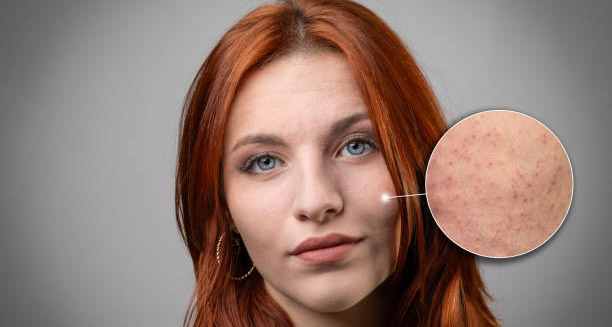

The symptoms of keratosis pilaris are distinctive, often appearing as small, rough bumps on the skin that resemble goose pimples or the texture of sandpaper.
These bumps can look flesh-coloured, red, white, or brown. Their colour depends on skin tone and any irritation. Although they usually don’t hurt, they may cause stress, especially when they show on the upper arms or face. Most people don’t feel discomfort. Instead, they feel upset about how it looks and how it affects their self-confidence.
Understanding the signs well can help people notice the condition early. It also helps them manage it better and avoid confusing it with other skin problems. Even though keratosis pilaris is harmless, knowing how it behaves helps avoid worry and wrong treatments.
Typical Presentation of Bumps
One clear sign of keratosis pilaris is tiny, raised bumps that feel rough. These often show up in groups on places like:
- The outer upper arms
- The front of the thighs
- The buttocks
- The cheeks, mostly in kids
These bumps form when too much keratin—a natural skin protein—blocks hair follicles. This makes the skin feel bumpy or uneven. Most of the time, they don’t itch or hurt. But they can sometimes get swollen, turning red and making the skin look blotchy, especially in people with light skin.
Variation by Skin Tone
The colour of the bumps changes with skin tone. On light skin, the bumps often look pink or red. On darker skin, they may look brown, purple, or just darker than the rest of the skin. This can confuse people, making them think it’s acne, eczema, or another skin condition.
In people with darker skin, these bumps may also leave dark spots after they heal. This happens because of post-inflammatory hyperpigmentation. These dark marks can stay for a while, causing more concern about looks.
Dryness and Texture Changes
Dry skin is another common sign. The affected areas feel dry and rough, like sandpaper. In cold or dry weather, the skin may get even rougher. That’s because of less moisture and more keratin buildup.
People might see flaky patches near the bumps. Scratching or rubbing these areas can make them sore. Dryness may also spread to skin nearby, making a larger area feel rough.
Redness and Inflammation
When keratin plugs cause swelling, it becomes keratosis pilaris rubra. This type includes red skin along with the usual bumps. It often shows on the cheeks or upper arms.
The redness might look like rosacea, especially on the face. But unlike rosacea, this condition doesn’t cause flushing, broken blood vessels, or pus-filled bumps. Instead, the redness is steady and looks like a mild rash.
Itching and Irritation
Most people don’t feel itchy. But some may feel mild itching, especially during cold or dry months. Itching can worsen when people:
- Wear tight or rough clothes
- Use harsh soaps or products
- Scratch or scrub the skin
People with sensitive skin or eczema might itch more. If they scratch a lot, the skin may break and get infected. That can lead to more swelling and discomfort.
Facial Symptoms in Children
In babies and young children, the cheeks are often affected. The skin may feel dry and bumpy and look red. Parents might think it’s baby acne or an allergy.
Even though facial keratosis pilaris may get better with age, it can stay into the teen years or adulthood. Things like cold air, sun, or wind can make the cheeks redder and more noticeable.
Symptoms of Keratosis Pilaris Can Change with the Seasons
This condition often gets worse in winter. Dry air and indoor heating remove moisture from the skin. Without good skincare, bumps and roughness increase.
In summer, many people feel better. The air is more humid, and sun exposure helps. But for some, sweat and heat make things worse. Tight clothes or synthetic fabrics trap heat, which can cause flare-ups.
Emotional and Social Effects of Symptoms of Keratosis Pilaris
Even though it’s not dangerous, keratosis pilaris can deeply affect self-esteem. The visible bumps, especially on exposed areas like arms or face, may lead to:
- Avoiding sleeveless clothes
- Staying away from swimming or sports
- Feeling low about one’s looks
- Worrying more about appearance
These emotional issues often get ignored but are a big reason people look for treatment, even if the skin doesn’t hurt.
Misdiagnosis and Confusion with Other Conditions
Since keratosis pilaris can look like other skin problems, doctors sometimes misidentify it. It may be confused with:
- Acne
- Folliculitis (especially when red)
- Eczema or psoriasis (due to dryness or redness)
Getting checked by a skin doctor helps. This is especially true when the bumps don’t go away with basic treatment.
Final Thoughts on the Symptoms of Keratosis Pilaris
The symptoms of keratosis pilaris are easy to spot once you know what to look for. They differ by skin type, weather, and personal health. The classic bumps, along with redness and dry skin, can bother people physically and emotionally. Knowing that the condition often changes with the seasons, tends to appear in certain spots, and affects how people feel about their appearance, helps in managing it better.
The next section will cover how keratosis pilaris is diagnosed, highlighting clinical approaches, differential diagnosis, and when to seek professional advice.