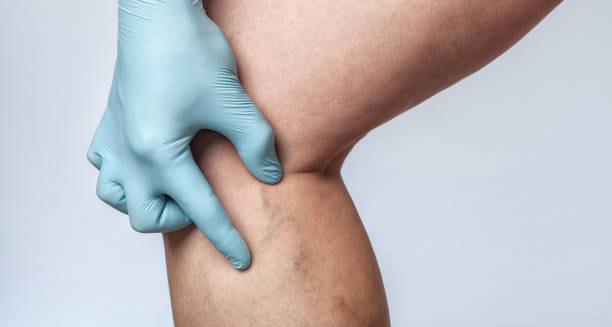

Symptoms of leg ulcer can vary in intensity and presentation depending on the underlying cause, duration, and overall health of the individual.
Recognising the symptoms of leg ulcer early is essential to prevent the wound from worsening and to allow timely treatment. Some leg ulcers might start off looking mild or not painful at all. But without care, they can get worse quickly. This may lead to infection, trouble walking, or even losing a limb in serious cases.
One common symptom of leg ulcer is a sore or open wound on the lower leg, ankle, or foot. The wound usually has uneven edges and can be small or very large. The sore might look red, yellow, or black, especially if dead tissue has formed. Venous leg ulcers—most common—are usually shallow and found near the inner ankle. These sores often leak a fair amount of fluid. Arterial ulcers, on the other hand, are smaller, dry, and usually form on pressure spots like the heel or side of the foot.
Pain and Discharge in Leg Ulcers
Pain is another common symptom. With venous ulcers, the pain feels like a dull ache or a throbbing feeling. It tends to get worse if you stand or sit for too long. Raising the leg usually helps ease the pain. Arterial ulcers, however, cause sharp or burning pain. This pain gets worse at night or when the leg is raised, which shows poor blood flow.
Diabetic ulcers are tricky. They may not hurt at all because of nerve damage. This lack of pain often causes delays in seeking treatment.
Swelling in the leg, especially in venous ulcers, is also common. When veins don’t work well, blood collects in the leg. This causes fluid to leak into nearby tissues. The swelling tends to get worse as the day goes on but can improve with leg elevation or compression. Swollen skin also becomes fragile, leading to more injury and slower healing.
Another sign of infection is foul-smelling pus or discharge. If pain, redness, or fever also appears, the ulcer may be infected. The fluid can be yellow, green, or brown, and the wound may also bleed. Infected ulcers often form crusts or develop soft, yellow tissue. The surrounding skin can become warm, red, and sore due to infection.
Skin Changes and Other Visible Symptoms of Leg Ulcer
The skin around the sore often changes colour. In venous ulcers, the skin may turn reddish-brown because of iron deposits from blood. This change may come with tight, thick, or inflamed skin, known as lipodermatosclerosis. These are signs of long-term vein problems and can mean a higher chance of new ulcers forming.
Another symptom of leg ulcer is itchy or irritated skin. This can be due to eczema, which often shows up along with venous ulcers. The itching may be intense and cause scratching. Scratching breaks the skin and raises the risk of infection. Dry or flaky skin is also common and weakens the skin’s barrier even more.
Some people feel muscle cramps or heavy, tired legs, especially later in the day. Standing too long can make this worse. Arterial ulcers may cause cramping while walking, known as claudication. This helps doctors tell the difference between ulcer types and guides treatment.
More Symptoms of Leg Ulcer in High-Risk Groups
New ulcers often appear after small injuries. A tiny scratch, insect bite, or tight shoes can lead to wounds that don’t heal. This is more likely in people with poor blood flow or nerve damage—like those with diabetes or older adults—because their skin doesn’t repair as easily.
Poor circulation can also cause other signs. Hair may stop growing on the lower legs or toes. The skin may look shiny, and feet may feel cold. Toenails might become thick and brittle. Blood may also take longer to return to the skin after pressure is applied. These are serious signs that should lead to further testing of the blood vessels.
When symptoms become severe, a person may have trouble walking. Pain, swelling, and dressings can make movement hard. Less movement leads to worse circulation and slower healing. This creates a harmful cycle. Mental health also suffers. People often feel depressed or anxious due to pain, smell, or shame about how the wound looks.
Night-time pain—common in arterial ulcers—often eases when the leg is hung off the bed. This is a warning sign of very poor circulation. If an ulcer does not heal within four to six weeks even with proper care, it is called chronic. These need more advanced treatments.
Differentiating Symptoms of Leg Ulcer from Other Conditions
Some skin problems look like ulcers but are not. These include skin cancers, dermatitis, fungal infections, or immune diseases. In rare cases, an ulcer that does not heal for a long time may turn cancerous. This is called Marjolin’s ulcer and needs a biopsy and special care.
Patients and doctors should watch carefully for even small changes in symptoms of leg ulcer. Look out for changes in wound colour, smell, size, fluid, or skin texture. Signs of infection, fever, chills, or a fast heartbeat need urgent treatment.
In short, the symptoms of leg ulcer cover a wide range. These include open wounds, pain, swelling, skin changes, bad smells, and reduced movement. Spotting these signs early can help speed up healing, lower the risk of serious problems, and stop new ulcers from forming. Whether the ulcer is venous, arterial, diabetic, or from pressure, keeping a close eye on the symptoms of leg ulcer helps manage and treat it better.