
Symptoms of lichen planus can be highly variable, affecting different parts of the body and presenting in a range of intensities and patterns.
These symptoms often appear suddenly and can cause a lot of discomfort. This is especially true when they last a long time or show up in visible or sensitive areas like the skin, mouth, scalp, or genitals. Noticing these signs early helps in getting a proper diagnosis and starting treatment on time. That’s important because lichen planus can look like other skin or immune system problems.
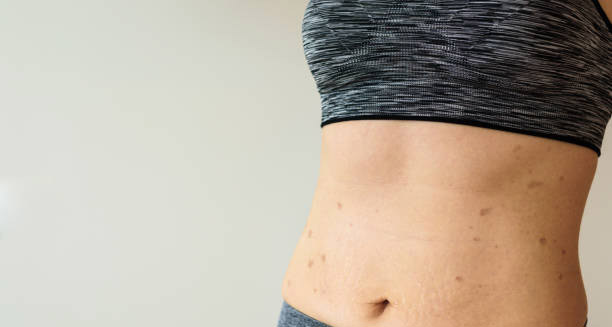
One of the most common signs is a rash made up of flat, purple bumps. These bumps usually have sharp edges and a shiny surface. They are often very itchy, especially on the wrists, ankles, lower back, and arms. Scratching can make the skin thick and rough, a condition called lichenification.
Another typical sign is something called Wickham’s striae. These are thin, white, web-like lines that appear over the bumps. They are easy to spot inside the cheeks, lips, or tongue, and are a clear sign of oral lichen planus. In some people, the mouth may be the only area affected. Oral symptoms may include a burning feeling, pain when eating spicy or sour foods, dry mouth, or white patches that look like leukoplakia. If sores form inside the mouth, eating and speaking can become painful and lower a person’s quality of life.
Skin, Scalp, and Nail Symptoms of Lichen Planus
The scalp can also be affected, in a condition known as lichen planopilaris. This causes redness, flaking, and irritation of the scalp. Over time, hair may fall out in patches. In serious cases, the hair follicles become scarred and stop growing hair for good.
Lichen planus may also affect the genitals. On the vulva or penis, it can cause red, sore patches or raw areas. These spots can hurt when touched, itch all the time, or make urination and sex painful. Women may develop narrowing of the vagina (vaginal stenosis) or pain during check-ups. Men may get sores or thick plaques on the penis, which can cause emotional stress and sexual issues.
Nail symptoms are less common but still important. The condition can cause the nails to become thin, split, ridged, or fall off completely. In severe cases, damage to the nail root stops nail growth. Nail changes often occur alongside other symptoms but can sometimes happen alone.
Some people feel general symptoms, like tiredness, mild fever, or a run-down feeling—especially if the condition affects many areas of the body or links to other immune system issues. Very rarely, lichen planus can affect the eyes, ears, or esophagus. Sometimes, it affects only one of these unusual areas, making it harder to diagnose.
Long-Term Patterns and Triggers
New symptoms usually develop slowly, often over a few weeks. In many people, lichen planus goes away by itself within one or two years. But in some cases—especially in the mouth or genitals—it becomes long-lasting and harder to treat. Flare-ups are common, and they can be triggered by stress, illness, certain drugs, or allergens.
Because symptoms can look like those of psoriasis, eczema, lupus, or drug reactions, it’s important to have a full skin exam and, often, a biopsy to confirm the diagnosis. This is especially true for open sores in the mouth or genitals, which must be checked for cancer if they last too long.
In children, lichen planus is rare. When it does happen, it usually shows up on the skin and often responds well to treatment. Adults—especially those in middle age—are more likely to have symptoms in the mouth or genitals, which are harder to manage. Women often get oral or genital symptoms, while men more commonly have skin rashes.
Emotional and Psychological Impact of Symptoms of Lichen Planus
The emotional effects of this condition are often overlooked. People may feel self-conscious or worried, especially if the rash is on the face, arms, or genitals. Painful mouth sores or sexual problems can lead to anxiety, sadness, and avoiding social situations. That’s why it’s so important to treat both the physical and mental sides of lichen planus.
Knowing whether the condition is caused by medication is also key. Some drugs—like blood pressure pills, malaria treatments, and common painkillers (NSAIDs)—can cause a reaction that looks like lichen planus. If a drug is to blame, stopping it can slowly lead to improvement. Checking medication history is a big part of understanding symptoms of lichen planus.
Conclusion
The symptoms of lichen planus cover many parts of the body and show up in different ways. From itchy rashes and mouth pain to hair loss, nail problems, and genital sores, the variety of symptoms can make it tricky to diagnose and treat. Spotting these signs early and managing both the physical and emotional effects helps improve long-term care. Learning about the full range of symptoms of lichen planus lets doctors and patients work together on the best treatment plan.