
Treatment and Recovery in Aphasia
There is no single cure for aphasia, but speech and language therapy can help many people recover or improve their communication skills. The key to treatment and recovery in aphasia is early, consistent, and personalised therapy.
1. Speech-Language Therapy
A speech-language therapist (SLT) creates a therapy plan based on the person’s needs:
- Practising naming, speaking, reading, and writing
- Using gestures, drawings, or communication boards
- Training family members to support communication
- Encouraging conversation, not correction
Therapy may be one-on-one, in groups, or delivered online.
2. Alternative and Augmentative Communication (AAC)
For severe aphasia:
- Tools such as picture boards, apps, or speech-generating devices can be used
- Especially useful for people with global aphasia or limited speech recovery
3. Group Therapy and Support Groups
- Provides social interaction and reduces isolation
- Helps practice skills in a low-pressure setting
4. Medication and Brain Stimulation (experimental)
- Some studies explore medications that boost neuroplasticity
- Transcranial magnetic stimulation (TMS) is being researched for its potential in recovery
Recovery Outlook
- Some people recover quickly, especially after a mild stroke
- Others may have lifelong language challenges and need ongoing support
- The brain can rewire with therapy, especially in the first 6 months
Family Involvement
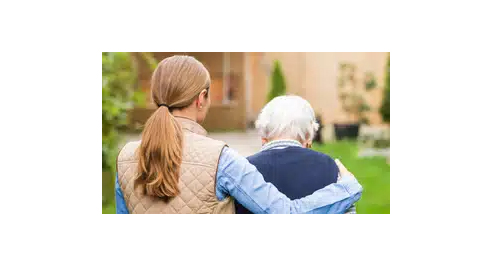
- Education and patience are key
- Families must learn how to communicate effectively without causing frustration or embarrassment
Access to SLTs in South Africa can be through:
- Private practices
- Public hospitals
- University clinics and rehabilitation centres
Let’s now explore the complications and long-term challenges associated with aphasia.
👉 [Next: Complications of Aphasia]