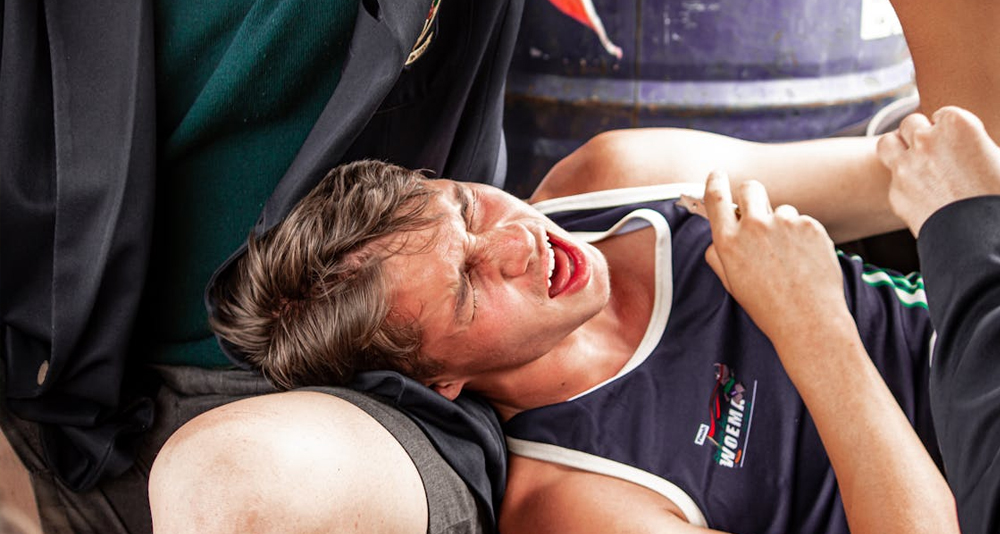

Treatment of a Broken Nose
Treatment of a Broken Nose depends on the severity of the fracture, whether the nose is displaced. Additionally, whether breathing is affected. The main goal of treatment of a broken nose is to restore nasal function. Furthermore, realign the structure and reduce the risk of long-term cosmetic or functional problems.
Minor nasal fractures that don’t cause displacement or breathing difficulty can often be treated conservatively. This includes rest, ice packs applied to reduce swelling. Additionally, elevation of the head while sleeping, and over-the-counter pain medication such as paracetamol or ibuprofen. Nasal sprays may help with congestion caused by swelling.
For displaced fractures — where the nose appears crooked, sunken, or misaligned — a closed reduction may be necessary. This is a non-surgical procedure where the doctor manually realigns the bones and cartilage. Ideally, this should be done within 10 to 14 days after the injury. Before the bone begins to heal in the wrong position.
In cases where the septum is deviated or there is persistent obstruction, septoplasty or surgical repair may be required. Surgery may also be necessary if the nose is severely misshapen, or if previous attempts at manual reduction fail. These procedures are typically done under general anaesthesia by an ENT specialist or plastic surgeon.
Treatment of a Broken Nose
Open fractures, where bone protrudes through the skin or is accompanied by deep cuts, require immediate medical and surgical care. Antibiotics are often prescribed to prevent infection.
Children with nasal fractures are usually treated more conservatively, but they may still require intervention if the nose becomes deformed or breathing is impaired.
After any realignment or surgery, a nasal splint may be used to support the structure during healing. Patients are advised to avoid contact sports, nose-blowing, and wearing glasses for several weeks.
Proper treatment of a broken nose ensures that the nose heals straight, breathing remains clear, and complications like chronic sinus issues, sleep apnoea, or cosmetic concerns are avoided.
[Next: Complications and Recovery from a Broken Nose →]