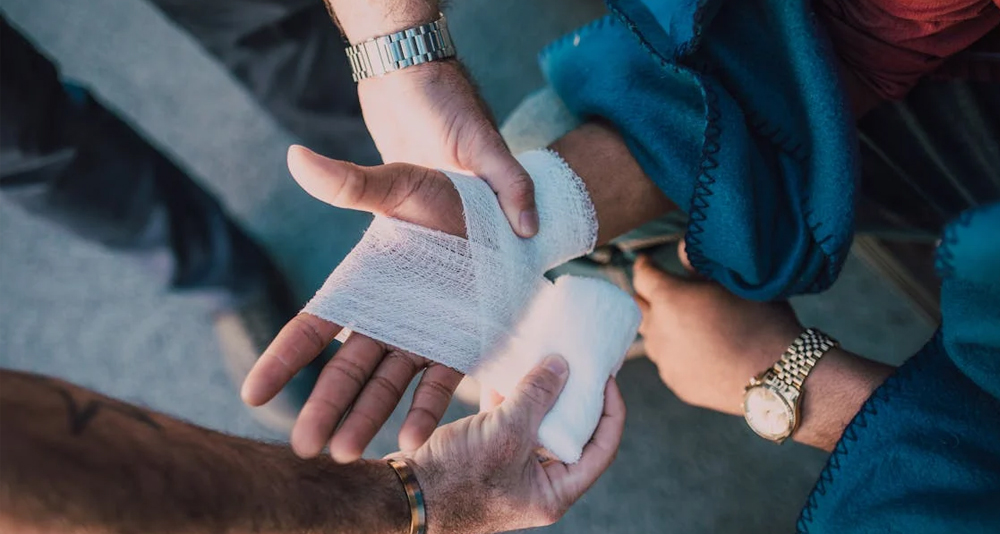

Treatment of a Broken Wrist
Treatment of a Broken Wrist depends on the type of fracture, the patient’s age and activity level, and whether the bones are stable or displaced. The primary goal of treatment of a broken wrist is to realign the bones, immobilise the area, and promote healing while minimising the risk of stiffness or long-term complications.
For non-displaced or stable fractures, the most common treatment is immobilisation using a plaster cast or fibreglass splint. These devices hold the bones in place while they heal, typically over a period of four to six weeks. Patients are advised to keep the wrist elevated and use ice to manage swelling and pain.
When bones are misaligned, a doctor may perform a closed reduction — manually repositioning the bones under local or general anaesthesia — before applying a cast. Follow-up X-rays are taken to ensure that alignment is maintained throughout healing.
Surgical treatment becomes necessary if the fracture is unstable, involves joint surfaces, or if bones cannot be aligned properly without hardware. Surgery typically involves inserting metal plates, pins, or screws to stabilise the fracture internally. In open fractures, surgery also involves cleaning the wound to prevent infection.
In children, wrist bones heal quickly and often remodel over time, so casting is usually sufficient. Adults and elderly patients may need longer immobilisation, and surgery is more common due to bone fragility or joint involvement.
Treatment of a Broken Wrist
Once the initial healing phase ends, physiotherapy begins. A professional will guide the patient through exercises to restore range of motion, grip strength, and flexibility. Adherence to rehab is essential for regaining full wrist function.
Access to timely treatment of a broken wrist varies in South Africa. While private healthcare typically ensures rapid intervention, public hospital patients may face longer wait times, especially for non-emergency surgeries.
Regardless of the setting, early treatment significantly improves outcomes. Delays or improper healing can result in permanent pain, stiffness, or decreased hand function.
[Next: Complications and Recovery from a Broken Wrist →]