Mental Matters

Mental Matters

  • Health & Wellness
  • Mental Health
  • Live Better
  • Directory
  • Articles & Guides
  • Advertise
  • Blog
  • Fields
  • Health & Wellness
  • Mental Health
  • Live Better
  • Directory
  • Articles & Guides
  • Advertise
  • Blog
  • Fields
  • Health & Wellness
  • Mental Health
  • Live Better
  • Directory
  • Articles & Guides
  • Advertise
  • Blog
  • Fields
  • Health & Wellness
  • Mental Health
  • Live Better
  • Directory
  • Articles & Guides
  • Advertise
  • Blog
  • Fields

Treatment of Bell’s Palsy

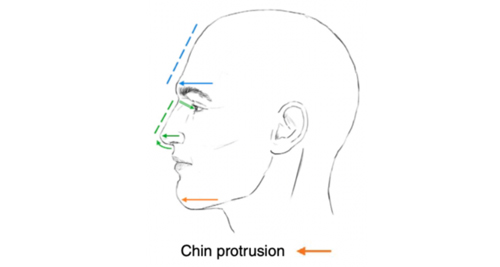
Side profile diagram showing chin and facial muscle alignment used in evaluating Bell’s palsy and facial asymmetry during treatment planning.

A side view anatomical illustration used to assess facial symmetry and muscle positioning during Bell’s palsy diagnosis and treatment strategies.

Treatment of Bell’s Palsy

The treatment of Bell’s palsy for Bell’s palsy focuses on reducing inflammation, supporting nerve healing, and protecting the eye on the affected side. Most patients recover fully within a few weeks to months, especially if treatment begins early.

Key treatments include:

  1. Corticosteroids
    • Prednisone is the most commonly prescribed steroid.
    • Best started within 72 hours of symptom onset.
    • Reduces nerve inflammation and improves chances of full recovery.
  2. Antiviral medications
    • May be added if a viral cause (especially herpes simplex) is suspected.
    • Common antivirals include acyclovir or valacyclovir, although evidence of benefit is mixed.
  3. Eye care
    • The affected eye may not blink or close properly, increasing the risk of dryness and corneal damage.
    • Important steps include:
      • Artificial tears during the day
      • Eye ointment at night
      • Wearing an eye patch or taping the eye closed while sleeping
  4. Pain relief
    • Over-the-counter painkillers like paracetamol or ibuprofen may ease ear or facial pain.
  5. Physiotherapy and facial exercises
    • Facial massages, stimulation, and guided exercises can help prevent muscle stiffness and aid nerve recovery.
  6. Speech or occupational therapy
    • In severe or prolonged cases, therapists assist with speech, eating, and facial movement retraining.

In South Africa, public hospitals typically provide prednisone and eye care essentials. Referral to a physiotherapist or neurologist may be available through tertiary centres. In private practice, earlier access to MRI and EMG may guide advanced treatment planning.

Treatment of Bell’s Palsy

Most patients improve within 2–3 weeks, with full recovery in 70–85% of cases. Those with incomplete recovery may experience mild muscle weakness, facial tightness, or residual asymmetry.

Early intervention is crucial. Even in remote or rural settings, starting steroids and protecting the eye can make a significant difference.

👉 [Next: Recovery and Complications of Bell’s Palsy]


Kevin Bell Physiotherapy Newcastle
Dr David Bell Neurosurgeon London
Bell’s Palsy
Causes and Risk Factors of Bell’s Palsy
Diagnosis of Bell’s Palsy

Related Posts

Man sitting in emotional distress with partner comforting him, representing complications of epididymitis
Epididymitis

Complications of Epididymitis

July 3, 2025

Complications of Epididymitis The complications of epididymitis can arise when the condition...

Child with rash on legs being examined by a doctor for symptoms of German measles
German Measles

Symptoms of German Measles

July 9, 2025

Symptoms of German Measles The symptoms of German measles can vary significantly...

Mental Matters

Facebook Instagram

Your Weekly Dose of Mental Health Support
– Straight to Your Inbox

  • Your journey to better mental health starts here—with expert insights and helpful resources delivered weekly.


© 2025 Mental Matters. All rights reserved. The content on this website is intended for informational purposes only and does not constitute medical advice, diagnosis, or treatment. Please consult a qualified health professional for any medical concerns.

Quick Links

  • Directory

  • Advertise

  • Conditions

  • Real Talk

  • Eating Disorders

  • Depressed

  • Autism

  • Community

  • Resources

About

  • Get In Touch

  • Home

  • Privacy Policy

  • Suicide Prevention Support

  • Terms & Conditions

© 2025 Mental Matters. All rights reserved.

No Result
View All Result
  • Health & Wellness
  • Mental Health
  • Live Better
  • Directory
  • Articles & Guides
  • Advertise
  • Blog
  • Fields

© MENTAL MATTERS 2024