
Treatment of Cavernous Sinus Thrombosis
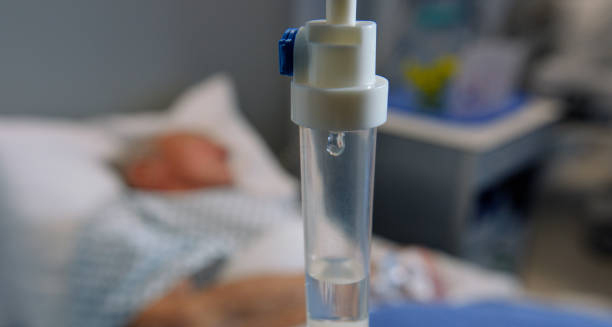
Treatment of cavernous sinus thrombosis is a medical emergency that requires immediate hospitalisation, intravenous antibiotics, and sometimes surgical intervention. The main goals of CST treatment are to eliminate the infection, prevent further clotting, and reduce pressure on the brain and cranial nerves.
1. Intravenous Antibiotics
Prompt administration of broad-spectrum intravenous antibiotics is the cornerstone of treatment. These are usually started immediately after blood cultures are drawn and before imaging is complete. Once the causative organism is identified, antibiotics may be adjusted accordingly. Common initial options include:
- Ceftriaxone or cefotaxime
- Metronidazole to cover anaerobes
- Vancomycin if MRSA is suspected
Treatment generally continues for 3–4 weeks or longer depending on severity and complications.
2. Anticoagulation Therapy | Treatment of Cavernous Sinus Thrombosis
In selected cases, anticoagulants such as heparin are used to prevent the clot from expanding or to reduce the risk of new clot formation. Although controversial, studies have shown this can improve outcomes without significantly increasing the risk of bleeding in many patients.
3. Surgical Drainage
If the source of infection is a sinus or facial abscess, surgical drainage may be necessary to remove the infected material. ENT surgeons often perform sinus surgery to improve drainage and reduce bacterial load.
4. Steroid
The use of corticosteroids is debated but may be considered to reduce inflammation and swelling, especially in cases involving severe cranial nerve impairment.
5. Supportive Care
Patients may require additional support such as pain control, anti-seizure medication, fluids, or treatment for complications like meningitis or sepsis. Intensive care admission may be necessary in severe cases.
With rapid diagnosis and treatment, the prognosis has improved significantly in recent years. However, without intervention, cavernous sinus thrombosis can lead to coma, stroke, or death. Therefore, early and aggressive treatment of cavernous sinus thrombosis is critical to survival and recovery.
[Next: Complications and Recovery from Cavernous Sinus Thrombosis →]