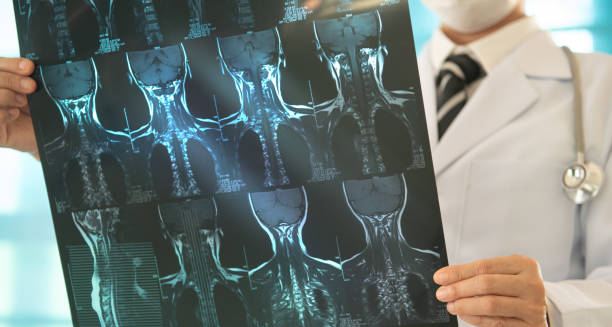

Treatment of Cervical Spondylosis
Treatment of cervical spondylosis is designed to relieve pain, improve mobility, and prevent further complications. While there is no cure, many people with cervical spondylosis find lasting relief through conservative, non-surgical methods. Surgery is only needed for severe nerve or spinal cord compression.
1. Physiotherapy
Physiotherapy is often the first line of treatment. A tailored exercise plan may include:
- Stretching exercises to maintain flexibility
- Strengthening exercises for neck and upper back muscles
- Posture correction techniques
- Manual therapy to mobilise stiff joints
Regular physiotherapy can reduce pain and improve quality of life.
2. Medications | Treatment of Cervical Spondylosis
To manage pain and inflammation, doctors may prescribe:
- NSAIDs (e.g., ibuprofen or naproxen)
- Muscle relaxants to ease spasms
- Neuropathic pain medications such as amitriptyline or gabapentin
- Short-term corticosteroids in severe flare-ups
Over-the-counter pain relief may be effective for mild symptoms.
3. Lifestyle Changes
- Posture correction: Using ergonomic chairs and proper neck alignment at work
- Physical activity: Staying active to maintain mobility
- Weight management: Reduces strain on the spine
- Quitting smoking: Improves blood flow and reduces disc degeneration
4. Assistive Devices
A soft neck collar may be used for short-term support during acute pain, but prolonged use is discouraged as it can weaken muscles.
5. Injections | Treatment of Cervical Spondylosis
Corticosteroid injections may be offered if pain does not improve with medication and therapy. These can reduce inflammation around nerve roots.
6. Surgery
Surgical intervention may be necessary in cases of:
- Severe or progressive nerve compression
- Cervical myelopathy with coordination issues
- Intractable pain not relieved by other treatments
Procedures include laminectomy, discectomy, or spinal fusion, depending on the specific issue.
With the right approach, treatment of cervical spondylosis helps most patients manage their condition and return to normal activities.
[Next: Complications and Recovery from Cervical Spondylosis →]