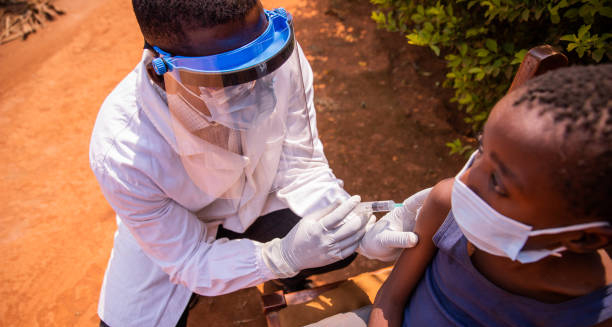

Treatment of Cholera
Treatment of cholera is centred on rapid rehydration. Timely and effective cholera management saves lives, even in severe cases, and is especially important in resource-poor settings or during outbreaks.
1. Oral Rehydration Therapy (ORT)
The cornerstone of cholera treatment is oral rehydration salts (ORS), which replace lost fluids and electrolytes. ORS packets are dissolved in clean water and taken frequently in small sips.
- ORS is lifesaving and effective in 80–90% of cases
- Must be started at the first sign of diarrhoea
- Available in most clinics and health posts
Homemade solutions with salt, sugar, and water may be used when ORS isn’t available.
2. Intravenous (IV) Fluids
For patients who are severely dehydrated or unable to drink, IV fluids are essential. Ringer’s lactate solution is preferred due to its electrolyte content.
- Fluids are given rapidly over several hours
- Continuous monitoring of vitals and urine output is essential
3. Antibiotics | Treatment of Cholera
Antibiotics are not always necessary but may shorten illness and reduce bacterial shedding. Common choices include:
- Doxycycline
- Azithromycin
- Ciprofloxacin
They are most often used in severe cases, during outbreaks, or in vulnerable individuals.
4. Zinc Supplementation
In children, zinc reduces the duration and severity of diarrhoea. It is often given alongside ORS.
5. Nutrition and Ongoing Care
Patients should resume eating as soon as possible to aid recovery. Continued breastfeeding is encouraged for infants.
6. Hospitalisation Criteria | Treatment of Cholera
Admission is required if the patient:
- Shows signs of shock
- Cannot drink fluids
- Has ongoing vomiting
- Fails to improve with ORS
Proper treatment of cholera, particularly aggressive rehydration, can bring full recovery within days and prevent fatalities — even in high-risk cases.
[Next: Complications and Recovery from Cholera →]