Mental Matters

Mental Matters

  • Health & Wellness
  • Mental Health
  • Live Better
  • Directory
  • Articles & Guides
  • Advertise
  • Blog
  • Fields
  • Health & Wellness
  • Mental Health
  • Live Better
  • Directory
  • Articles & Guides
  • Advertise
  • Blog
  • Fields
  • Health & Wellness
  • Mental Health
  • Live Better
  • Directory
  • Articles & Guides
  • Advertise
  • Blog
  • Fields
  • Health & Wellness
  • Mental Health
  • Live Better
  • Directory
  • Articles & Guides
  • Advertise
  • Blog
  • Fields

Treatment of Compartment Syndrome

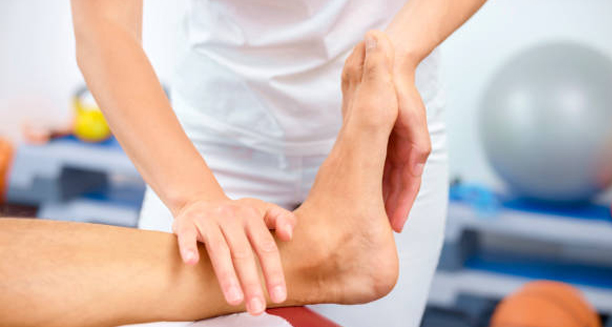
Physiotherapist performing rehabilitation exercises for compartment syndrome

A therapist gently mobilises a patient’s foot during treatment for compartment syndrome, focusing on restoring movement and circulation

Treatment of Compartment Syndrome

Treatment of compartment syndrome depends on whether the condition is acute or chronic, with the urgency and method of intervention varying significantly. Acute compartment syndrome requires immediate surgical intervention to prevent permanent damage, while chronic cases may be managed conservatively or electively addressed through surgery.

Acute Compartment Syndrome Treatment

This is a surgical emergency. The only effective treatment is fasciotomy, a procedure in which the surgeon makes incisions through the fascia to relieve pressure within the muscle compartment. This:

Restores blood flow

Prevents further muscle and nerve injury

Allows swelling to subside

The wounds are often left open for 48–72 hours to prevent recurrence of pressure build-up. Skin grafting may be needed to close the wound once swelling reduces.

Supportive care includes:

Fluid resuscitation to maintain circulation

Pain control

Monitoring for complications like infection or kidney damage

Delay in treatment beyond six hours can lead to irreversible tissue death, requiring limb amputation or resulting in life-threatening systemic complications.

Chronic Compartment Syndrome Treatment

Initial treatment involves conservative strategies such as:

Activity modification

Physical therapy

Anti-inflammatory medications

Orthotics or footwear adjustments

When other treatments fail, elective fasciotomy is an option. The surgery is less urgent, well tolerated, and enables most patients to resume sports or activities post-recovery.

Post-Treatment Recovery | Treatment of Compartment Syndrome

After fasciotomy, patients usually require physiotherapy to regain strength and mobility. Pain and swelling subside gradually, and most people return to normal function within a few weeks to months, depending on severity.

To summarise, treatment must be timely and appropriate. While chronic cases allow time for conservative measures, acute syndrome demands rapid surgical intervention to preserve tissue and function.

[Next: Complications and Recovery from Compartment Syndrome →]

Compartment Syndrome
Diagnosis of Compartment Syndrome
Causes of Compartment Syndrome
Symptoms of Compartment Syndrome

Related Posts

Diagnosis of Leukaemia
Health Conditions

Diagnosis of Leukaemia

August 7, 2025

Diagnosis of leukaemia is a critical process that involves a combination of...

3D brain illustration showing antibodies and highlighted basal ganglia regions
Dystonia

Causes of Dystonia

July 3, 2025

Causes of Dystonia The causes of dystonia vary widely and can include...

Mental Matters

Facebook Instagram

Your Weekly Dose of Mental Health Support
– Straight to Your Inbox

  • Your journey to better mental health starts here—with expert insights and helpful resources delivered weekly.


© 2025 Mental Matters. All rights reserved. The content on this website is intended for informational purposes only and does not constitute medical advice, diagnosis, or treatment. Please consult a qualified health professional for any medical concerns.

Quick Links

  • Directory

  • Advertise

  • Conditions

  • Real Talk

  • Eating Disorders

  • Depressed

  • Autism

  • Community

  • Resources

About

  • Get In Touch

  • Home

  • Privacy Policy

  • Suicide Prevention Support

  • Terms & Conditions

© 2025 Mental Matters. All rights reserved.

No Result
View All Result
  • Health & Wellness
  • Mental Health
  • Live Better
  • Directory
  • Articles & Guides
  • Advertise
  • Blog
  • Fields

© MENTAL MATTERS 2024