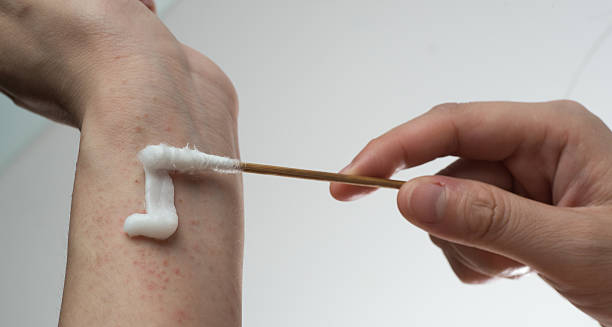

Treatment of Contact Dermatitis
Treatment of contact dermatitis focuses on relieving symptoms, healing the skin, and preventing future flare-ups. Successful management of contact dermatitis depends largely on identifying and avoiding the triggering substance. Once the source is removed, most cases resolve with appropriate skincare and medical intervention.
Avoidance of Triggers
The most critical step is identifying the cause and stopping further exposure. This may involve:
Replacing metal jewellery with hypoallergenic alternatives
Switching to fragrance-free skincare or cleaning products
Wearing gloves during exposure to irritants
Avoiding specific plants or occupational materials
In allergic contact dermatitis, complete avoidance of the allergen is necessary, even in trace amounts. Patch testing results are often used to provide a list of safe products.
Topical Treatments | Treatment of Contact Dermatitis
For mild to moderate dermatitis, the following treatments are commonly prescribed:
Topical corticosteroids (e.g. hydrocortisone or betamethasone): Reduce redness, swelling, and itching
Emollients and moisturisers: Restore the skin’s barrier and prevent dryness
Barrier creams: Offer protection in occupations with unavoidable exposure
It’s essential to apply moisturiser frequently, especially after washing hands or bathing, to prevent skin from cracking or drying out.
Oral Medications
In more severe cases, oral medications may be necessary:
Antihistamines: Help relieve intense itching, especially at night
Oral corticosteroids: Used for widespread or blistering dermatitis, but only short-term due to side effects
Treating Infections | Treatment of Contact Dermatitis
If a secondary bacterial infection develops, antibiotics (topical or oral) may be required. Signs include increased redness, pain, pus, or yellow crusting.
Education and Follow-Up
Patient education is vital. Understanding how to read product labels, identify potential triggers, and maintain a healthy skincare routine helps prevent recurrences. Regular follow-up is especially important in chronic cases or those affecting work performance.
In conclusion, treatment of contact dermatitis is highly effective when combined with avoidance of the offending agent. With the right approach, symptoms can be controlled and skin integrity restored.
[Next: Complications and Recovery from Contact Dermatitis →]