
Treatment of Cuts
Treatment of cuts depends on the size, depth, location, and whether the wound is clean or contaminated. Most minor cuts can be safely managed at home, while more serious lacerations require professional medical care to prevent infection and promote healing.
First Aid for Minor Cuts
Stop the bleeding: Apply gentle pressure with a clean cloth or bandage
Clean the wound: Rinse with lukewarm water to remove dirt or debris
Disinfect: Apply an antiseptic such as hydrogen peroxide or iodine
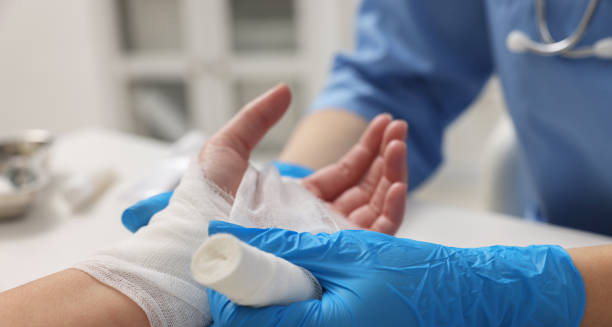
Protect: Cover the wound with a sterile plaster or bandage
Monitor: Check daily for signs of infection
Avoid using cotton wool or alcohol-based solutions, as these may irritate the skin or delay healing.
When to Seek Medical Help
The cut is deep, longer than 2 cm, or gaping
Bleeding does not stop after 10 minutes of pressure
There is visible fat, muscle, or bone
The wound is located on the face, hands, joints, or genitals
The object causing the cut was dirty or rusty
The person has not had a tetanus shot in the past 5–10 years
Professional Wound Care | Treatment of Cuts
Medical treatment may include:
Stitches (sutures): For deep or gaping cuts to close the skin and promote proper healing
Steri-strips or skin glue: For small, clean lacerations
Antibiotics: If the wound is infected or at high risk of infection
Tetanus booster: If required based on injury and vaccination history
Infected cuts may need to be drained or cleaned more aggressively and left open to heal from the inside out—a process known as healing by secondary intention.
Pain and Scar Management
Over-the-counter pain relief (e.g. paracetamol or ibuprofen) may be recommended
Silicone gel sheets or scar creams can be used during healing to reduce scarring
Avoid sun exposure on new scars to prevent discolouration
In summary, treatment of cuts ranges from simple first aid to surgical repair. Timely and appropriate wound care reduces the risk of infection and ensures the best cosmetic and functional outcome.
[Next: Complications and Recovery from Cuts →]