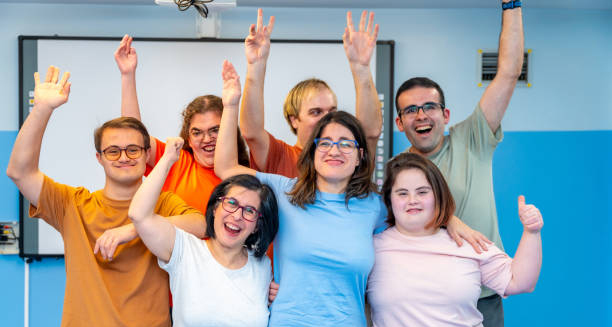

Treatment of Down’s Syndrome
The treatment of Down’s syndrome focuses on managing health issues, supporting development, and promoting independence. There is no cure for the condition, but with proper care and early intervention, many individuals with Down’s syndrome lead healthy, active, and meaningful lives. Treatment is highly individualised and evolves with the child’s age, needs, and abilities.
Early intervention is the cornerstone of effective management. Babies with Down’s syndrome benefit from therapies aimed at improving muscle tone, motor skills, and communication. Physiotherapy helps with posture and movement, while speech and language therapy supports the development of verbal and non-verbal communication. Occupational therapy assists with daily living tasks such as dressing, feeding, and writing.
Education support is another critical aspect of treatment of Down’s syndrome. Many children with the condition attend mainstream schools with support, while others thrive in specialised learning environments. Inclusive education policies, when effectively implemented, help children develop academically and socially. In South Africa, access to inclusive schooling is improving in urban areas but remains limited in rural and under-resourced communities.
Healthcare management is also essential. Regular medical check-ups allow for the early detection and treatment of health issues common in Down’s syndrome, such as congenital heart defects, thyroid problems, hearing loss, and vision issues. Paediatricians, cardiologists, ENT specialists, and audiologists often work as part of a multidisciplinary team to monitor and treat these concerns.
Vaccinations, dental care, and good nutrition are just as important. Because immune responses may be slightly weaker in some individuals with Down’s syndrome, staying up to date with immunisations and promoting hygiene is crucial. Dietitians can help manage weight, as obesity is more common in this population due to lower muscle tone and slower metabolism.
Mental health and emotional well-being are increasingly recognised in treatment plans. People with Down’s syndrome may be at higher risk of anxiety, depression, or behavioural challenges, especially during adolescence. Access to psychologists or counsellors, as well as supportive parenting and structured routines, can greatly improve mental well-being.
Treatment of Down’s Syndrome
In adulthood, treatment shifts toward independence and life skills. Vocational training, supported employment programmes, and assisted living arrangements help adults with Down’s syndrome live with autonomy and dignity. With support, many work, form close relationships, and actively participate in their communities.
Families play a central role in care. Support groups, community resources, and advocacy organisations provide vital help, especially when navigating education, health services, and social inclusion. In South Africa, local NGOs and community-led initiatives often fill gaps in public healthcare or education systems.
The goal of treatment of Down’s syndrome is to maximise quality of life. With appropriate medical, educational, and emotional support, individuals can overcome challenges and lead fulfilling lives.
[Next: Complications of Down’s Syndrome →]