Treatment of Earwax Build-up
The treatment of earwax build-up depends on the severity of the blockage and whether symptoms are present. While some cases clear up on their own, more stubborn wax may require intervention. The goal is to remove the wax safely without damaging the ear canal or eardrum. Self-treatment is discouraged unless advised by a healthcare provider.
The most common treatment of earwax build-up starts with softening the wax. Over-the-counter ear drops—such as saline, olive oil, or hydrogen peroxide-based solutions—can be used to loosen the wax over a few days. These drops make it easier for wax to exit the ear naturally or with minimal assistance.
If the wax does not come out with drops, irrigation may be recommended. This procedure involves gently flushing the ear with warm water using a syringe or electronic irrigator. It must be done carefully to avoid pushing the wax deeper or damaging the ear. Irrigation is not suitable for people with eardrum perforations, recent surgery, or chronic ear infections.
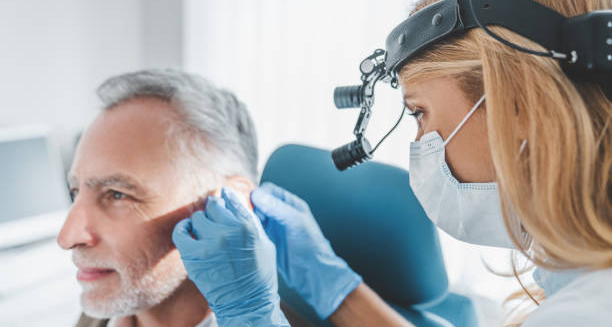
Manual removal is another option. This involves using specialised tools, such as a curette or suction device, to remove wax under direct vision. It should only be performed by trained professionals, usually in a clinic or ENT setting. This method is often preferred for hardened or deeply impacted wax.
In South Africa, access to professional ear cleaning services varies. Many public health facilities offer irrigation, but manual removal may only be available at referral hospitals. In rural areas, limited resources mean people often rely on home remedies, which can worsen the problem. Education on safe practices remains essential.
Treatment of Earwax Build-up
Home treatments—like inserting cotton buds, matchsticks, or other objects—should be strictly avoided. These practices may push wax deeper, cause trauma, or introduce bacteria. Ear candles, a popular alternative remedy, are also unsafe and not recommended by medical professionals.
Follow-up is important. Once the wax is removed, patients should be advised on how to prevent recurrence. For people with recurring wax build-up, regular check-ups every 6 to 12 months may be beneficial, especially if they wear hearing aids or have narrow ear canals.
The treatment of earwax build-up is usually quick and effective when done properly. Relief from symptoms like hearing loss, fullness, and ringing is often immediate. With the right guidance, patients can maintain ear health and avoid repeated blockages.
[Next: Complications of Earwax Build-up →]