
Treatment of Ebola Virus Disease
The treatment of Ebola virus disease focuses on supportive care to maintain the patient’s vital functions while the body fights the virus. Although Ebola virus disease has no guaranteed cure, early intervention significantly improves survival chances. Treatment must begin as soon as the diagnosis is confirmed or strongly suspected.
Supportive care includes:
Rehydration with oral or intravenous fluids to combat dehydration from vomiting and diarrhoea
Electrolyte replacement to maintain balance and prevent organ failure
Oxygen therapy for patients with breathing difficulty
Blood pressure support to prevent or treat shock
Pain and fever control with appropriate medications
Antibiotics or antifungals, if secondary infections are present
Nutritional support is also essential, as patients are often too weak to eat or drink. In severely ill individuals, intensive care with close monitoring may be necessary.
Recent outbreaks have led to major improvements in treatment options. Two promising experimental therapies, Inmazeb and Ebanga, have been approved for use. These monoclonal antibody drugs work by helping the immune system neutralise the virus. They must be given early in the infection to be most effective.
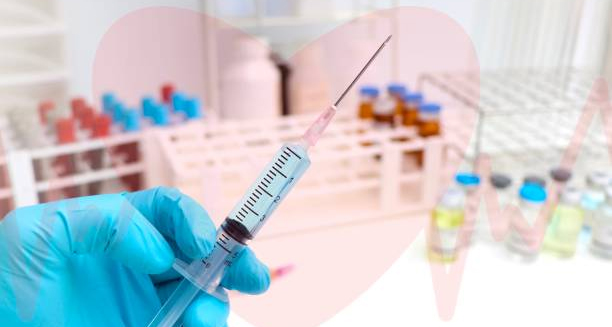
Additionally, Ebola vaccines—such as Ervebo—have played a critical role in outbreak control. While not a treatment, vaccination reduces the risk of spread among frontline workers and contacts of infected individuals. Ring vaccination strategies, where contacts and contacts-of-contacts are vaccinated, have proven effective in halting transmission.
Treatment of Ebola Virus Disease
In South Africa, treatment facilities are prepared for isolation and supportive care, but full treatment of Ebola—including experimental drugs—is usually coordinated with international health partners like the WHO. Any suspected cases would trigger a national response, including specialised transport and treatment in designated centres.
Community education and trust are also vital components of care. In past outbreaks, mistrust of healthcare workers, fear of hospitals, and misinformation have made treatment difficult. Public awareness campaigns, partnerships with local leaders, and culturally sensitive communication improve cooperation and outcomes.
Although Ebola remains a dangerous illness, survival rates have improved dramatically when patients receive proper care early. The treatment of Ebola virus disease has advanced, offering hope not only for individual recovery but also for regional preparedness and resilience.
[Next: Complications of Ebola Virus Disease →]