Treatment of Epilepsy
The treatment of epilepsy focuses on controlling seizures, improving quality of life, and preventing complications. While epilepsy is a chronic condition, many people become seizure-free with the right medication and support. Others may need ongoing care and adjustments to their treatment plan.
Anti-Seizure Medications
Also called antiepileptic drugs (AEDs), these are the first line of treatment. Common medications include:
Sodium valproate
Lamotrigine
Carbamazepine
Levetiracetam
Topiramate
The choice of medication depends on the type of seizures, age, sex, side effects, and whether the person is pregnant or planning to become pregnant.
Doctors usually start with a low dose and adjust slowly. Many people respond well to just one medication. If not, a combination may be needed.
Side effects vary but may include fatigue, dizziness, weight gain or loss, mood changes, or blurred vision. Regular follow-ups are essential to monitor for side effects and adjust treatment as needed.
Lifestyle Management
Regular sleep, stress management, and avoiding seizure triggers help reduce episodes
Healthy diet and hydration are important
Alcohol and recreational drugs should be avoided, as they can interfere with medications or trigger seizures
Driving restrictions may apply until seizures are controlled
Ketogenic Diet
This high-fat, low-carb diet may help some people with drug-resistant epilepsy—especially children. It should be followed under the guidance of a dietitian and medical team.
Surgery
For some people whose seizures originate from a specific area of the brain and don’t respond to medication. Brain surgery may be considered. This is only done after extensive testing, including video EEG and imaging.
Vagus Nerve Stimulation (VNS)
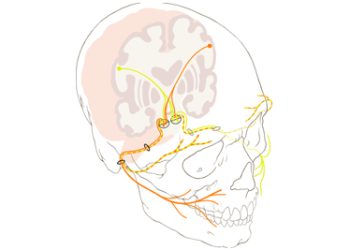
A device implanted under the skin sends electrical signals to the brain via the vagus nerve. It can help reduce seizure frequency in some patients.
Treatment of Epilepsy In South Africa
In South Africa, rural clinics may have limited access to medication, and public hospitals often lack expensive drugs. Non-compliance due to cost or misunderstanding is a major challenge. Public health efforts focus on education, treatment access, and destigmatisation.
The treatment of epilepsy requires a long-term, individualised approach. With the right care, many people live full, independent lives.
[Next: Complications of Epilepsy →]