
Treatment of Eye Cancer
The treatment of eye cancer depends on the type, size, and location of the tumour, as well as whether the cancer has spread. Eye cancer can often be treated successfully, especially when detected early. The goal is to remove or shrink the tumour while preserving as much vision as possible.
Main Treatment Options
1. Radiation Therapy
Brachytherapy (plaque radiotherapy) – A small disc with radioactive seeds is temporarily attached to the eye to deliver targeted radiation
External beam radiotherapy – Used for larger or more advanced tumours
Radiation is effective for many intraocular melanomas and retinoblastomas. Side effects may include dry eye, cataracts, or mild vision loss.
2. Laser Therapy
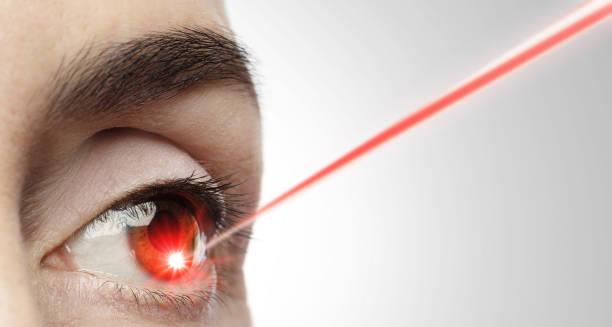
Transpupillary thermotherapy (TTT) uses infrared laser to destroy small tumours
Often combined with radiation or chemotherapy
3. Chemotherapy
Used more commonly in children with retinoblastoma:
Doctors can deliver chemotherapy systemically (IV) or locally through intra-arterial or intravitreal routes
Helps shrink tumours before applying local therapies
In adults, chemotherapy is less common unless the cancer has spread.
4. Surgery
Enucleation – Surgeons completely remove the eye when vision cannot be saved or the cancer is large
Resection – In some cases, surgeons can remove the tumour surgically without removing the entire eye
After enucleation, doctors can fit patients with a custom prosthetic eye for cosmetic purposes.
5. Immunotherapy and Targeted Therapy
Doctors are exploring newer approaches, such as checkpoint inhibitors or drugs that target specific gene mutations (e.g., BAP1 in uveal melanoma), especially in advanced or metastatic cases.
Supportive Therapies
Vision rehabilitation for those with partial or full vision loss
Psychological counselling to support emotional health
Cosmetic surgery or prosthesis fitting, where needed
Monitoring and Follow-up | Treatment of Eye Cancer
Regular follow-up is critical to detect recurrence, manage side effects, and monitor the unaffected eye. Some patients need lifelong monitoring, especially those with inherited forms of cancer.
Global Access and Challenges
In high-income countries, most treatment options are available and coordinated by multi-disciplinary eye cancer teams. Additionally, in developing regions, lack of radiotherapy, paediatric oncology services, and prosthetic support may limit care. Telemedicine and cross-border treatment referrals are improving access in some regions.
The treatment of eye cancer is advancing quickly. Furthermore, with personalised care and early action, many patients can survive and maintain good quality of life—even after losing sight in one eye.
[Next: Complications of Eye Cancer →]