
Treatment of Glaucoma
The treatment of glaucoma focuses on lowering intraocular pressure (IOP) to prevent or slow further damage to the optic nerve. Since glaucoma can cause irreversible vision loss, the goal of treatment is to preserve the remaining sight rather than restore what has already been lost. The good news is that, with timely and consistent management, most people with glaucoma can retain useful vision throughout their lives.
There is no cure for glaucoma, but several effective treatment options exist. These include medicated eye drops, laser therapy, surgical procedures, and lifestyle adjustments. The appropriate treatment depends on the type of glaucoma, its severity, and how the individual responds to initial therapies.
Eye Drops: First-Line Treatment
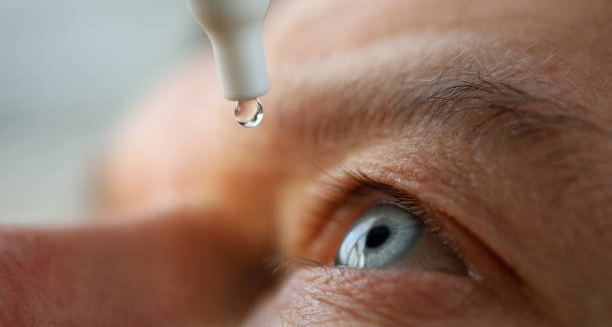
In most cases, the first step in treating glaucoma involves prescription eye drops that help lower intraocular pressure. These drops either reduce the amount of fluid produced in the eye or improve fluid drainage.
The main classes of eye drops include:
1. Prostaglandin Analogues
Increase fluid outflow
Typically used once daily
Examples: latanoprost, bimatoprost
Side effects: eye redness, longer eyelashes, iris darkening
2. Beta Blockers
Reduce fluid production
Used once or twice a day
Examples: timolol, betaxolol
Side effects: fatigue, low heart rate, possible breathing issues
3. Alpha Agonists
Decrease fluid production and increase outflow
Examples: brimonidine
Side effects: dry mouth, fatigue, allergic reactions
4. Carbonic Anhydrase Inhibitors
Reduce fluid production
Available in drops or oral form
Examples: dorzolamide, acetazolamide
Side effects: stinging, taste changes
5. Rho Kinase Inhibitors
Enhance drainage through the trabecular meshwork
Used alone or in combination with other drops
Adherence is critical. Skipping doses or improper application can lead to increased pressure and optic nerve damage. Patients should receive instruction on how to use drops correctly and understand the importance of long-term commitment to therapy.
Laser Treatments
Laser therapy is often used when drops are ineffective, poorly tolerated, or not suitable for long-term use. It can also serve as an early treatment option, especially in angle-closure glaucoma.
1. Selective Laser Trabeculoplasty (SLT)
Used primarily for open-angle glaucoma
Targets the drainage tissue to improve fluid outflow
Quick and painless outpatient procedure
Effects last 1–5 years, and the procedure can be repeated
2. Laser Peripheral Iridotomy
Performed for angle-closure glaucoma
Creates a small hole in the iris to relieve pressure
Prevents future acute attacks in the other eye
3. Cyclodiode Laser
Used in advanced or refractory glaucoma
Reduces fluid production by targeting the ciliary body
Reserved for severe or end-stage cases
Laser treatments are typically low-risk and can reduce or eliminate the need for daily eye drops.
Surgical Treatments
Surgery is considered when medications and laser treatments are not sufficient to control IOP.
1. Trabeculectomy
Creates a new drainage channel for fluid to exit the eye
Performed in an operating theatre under local anaesthesia
Reduces IOP significantly and may reduce or eliminate the need for drops
Risks: infection, bleeding, scarring, vision changes
2. Tube Shunt Surgery
Involves placing a small tube and plate to redirect fluid
Used when trabeculectomy fails or is unsuitable
Effective in complex or secondary glaucoma cases
3. Minimally Invasive Glaucoma Surgery (MIGS)
A newer class of procedures
Less invasive with quicker recovery
Examples: iStent, Hydrus Microstent, Kahook Dual Blade
Often performed alongside cataract surgery
MIGS procedures are particularly suitable for patients with mild to moderate glaucoma.
Managing Angle-Closure Glaucoma
In acute cases, emergency treatment includes:
Eye drops and medications to quickly lower IOP
Laser iridotomy to relieve pressure and prevent recurrence
Surgical removal of the lens if the attack recurs or vision is compromised
Prompt treatment is vital to preserve vision.
Lifestyle and Home Management
While medical treatments are essential, lifestyle also plays a supporting role:
Take medication consistently and attend follow-up appointments
Protect eyes from injury and limit exposure to pressure-increasing activities
Exercise regularly, but avoid straining or head-down positions in advanced cases
Manage systemic conditions like diabetes and high blood pressure
Avoid excessive caffeine, which may transiently raise IOP
Quitting smoking and eating a nutrient-rich diet also support eye and overall health.
Monitoring Progress
Once treatment begins, regular monitoring includes:
IOP measurements
Visual field testing
OCT scans of the optic nerve
Eye structure assessments
Treatment may need to be adjusted over time depending on response and disease progression.
Conclusion | Treatment of Glaucoma
The treatment of glaucoma is multifaceted and lifelong. With a combination of medication, laser procedures, and surgery where needed, many patients maintain stable vision for decades. Early intervention, consistent follow-up, and patient education remain the pillars of effective glaucoma management.