
Treatment of Gout
The treatment of gout aims to relieve the pain of acute attacks, prevent future flare-ups, and reduce long-term uric acid levels to prevent joint and kidney damage. Because gout is a chronic condition driven by elevated uric acid, the treatment of gout must address both immediate symptoms and the underlying metabolic cause. A combination of medication, dietary changes, and long-term monitoring is typically required for successful management.
Gout is one of the few forms of arthritis that is both preventable and curable with appropriate treatment. The challenge lies in timely diagnosis, patient adherence, and adjustment of therapy based on evolving needs.
Immediate Relief During an Acute Attack
When a gout flare occurs, the focus is on rapid relief of inflammation and pain. First-line therapies include:
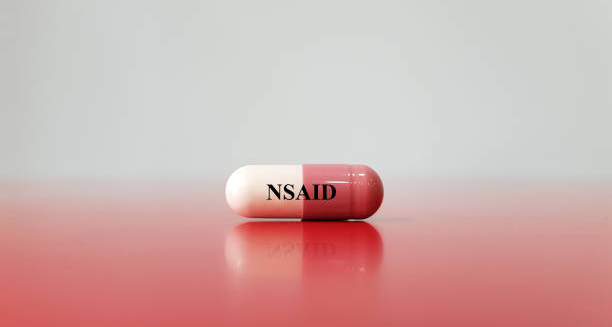
1. Non-Steroidal Anti-Inflammatory Drugs (NSAIDs)
Drugs such as naproxen, ibuprofen, or indometacin are commonly prescribed
Most effective when taken at the onset of symptoms
Should be continued for a few days after symptoms resolve to prevent recurrence
Patients with kidney disease or gastrointestinal issues may require alternative options.
2. Colchicine
Especially effective in the early hours of an attack
Slows down inflammation by affecting white blood cell activity
Can cause side effects like diarrhoea or nausea if taken in high doses
Modern dosing strategies use lower doses to reduce these side effects
3. Corticosteroids
Used when NSAIDs or colchicine are contraindicated
Can be administered orally (e.g. prednisolone) or injected directly into the affected joint
Rapidly reduces inflammation but may affect blood sugar levels or immune function
For severe attacks, a combination of two anti-inflammatory treatments may be needed.
Lifestyle Changes to Prevent Flares
In addition to medication, lifestyle modifications play a crucial role in preventing further gout attacks. Recommendations include:
Limiting purine-rich foods, such as red meat, shellfish, and organ meats
Reducing alcohol intake, especially beer and spirits
Avoiding sugary drinks and foods high in fructose
Increasing fluid intake to support kidney function
Maintaining a healthy body weight to lower uric acid levels
Exercising regularly, though avoiding strenuous activity during a flare
A registered dietitian can provide individualised advice tailored to comorbidities like diabetes or heart disease.
Long-Term Uric Acid Control
Once the acute phase is resolved, long-term management aims to lower serum uric acid levels below target thresholds—typically <360 μmol/L (6 mg/dL) or <300 μmol/L (5 mg/dL) in severe or tophaceous gout.
1. Urate-Lowering Therapy (ULT)
This is recommended for:
Individuals with recurrent gout flares (≥2 per year)
Presence of tophi
Joint damage on imaging
Coexisting chronic kidney disease or kidney stones
The two main classes of ULT include:
a. Xanthine Oxidase Inhibitors
Allopurinol: First-line treatment; reduces uric acid production
Febuxostat: An alternative for those intolerant to allopurinol
Dosing starts low and increases gradually to minimise the risk of flares.
b. Uricosurics
Increase uric acid excretion by the kidneys
Less commonly used due to risk of kidney stones
Examples: probenecid, benzbromarone (not available in all countries)
ULT is a lifelong commitment in most cases, as stopping it can lead to flare recurrence.
Bridging and Monitoring
Initiating ULT may temporarily trigger gout flares. To prevent this, doctors often prescribe colchicine or NSAIDs as bridging therapy for the first 3–6 months. Ongoing monitoring includes:
Regular serum uric acid checks
Evaluation of kidney and liver function
Monitoring for drug side effects, including skin rashes, gastrointestinal upset, or liver abnormalities
Close follow-up is essential during the first year of treatment.
Role of Patient Education
Patients who understand their condition are more likely to manage it effectively. Education should cover:
The chronic nature of gout
Importance of adherence to daily urate-lowering therapy
Identifying early signs of a flare
Managing dietary and lifestyle triggers
The difference between flare treatment and preventive medications
Support from pharmacists, dietitians, and nurses reinforces key messages.
Alternative and Adjunctive Therapies
While evidence is limited, some adjunctive options may support traditional therapy:
Vitamin C: May lower uric acid slightly in some individuals
Cherries or cherry juice: Anecdotal reports suggest benefit, but more studies are needed
Coffee: Some observational studies link moderate consumption to reduced gout risk
However, these should not replace medication or formal care.
Conclusion | Treatment of Gout
The treatment of gout involves more than just managing painful attacks—it requires long-term commitment to reducing uric acid and modifying lifestyle factors. With a tailored approach combining medication, education, and dietary changes, most patients can experience complete resolution of symptoms. Early and sustained treatment of gout prevents complications, enhances quality of life, and ensures long-term joint health.