
Treatment of Haemochromatosis
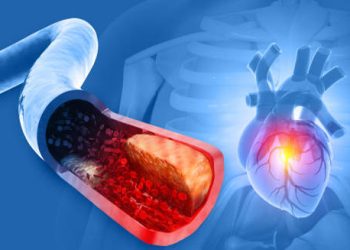
The treatment of haemochromatosis focuses on reducing iron levels in the body to prevent organ damage and alleviate symptoms. Since iron overload is at the core of this condition, the treatment of haemochromatosis aims to remove excess iron before it can accumulate in vital organs such as the liver, heart, and pancreas. When diagnosed early and managed properly, individuals with haemochromatosis can lead full and healthy lives.
Haemochromatosis is most often caused by a genetic mutation that leads to increased iron absorption from food. Without treatment, iron builds up gradually and causes a range of complications, including liver cirrhosis, diabetes, heart problems, and joint pain. Early intervention plays a vital role in preventing irreversible damage.
First-Line Treatment: Phlebotomy (Venesection)
Phlebotomy, also known as venesection, is the cornerstone of haemochromatosis management. This simple procedure involves regularly removing blood from the body, much like donating blood. Since each unit of blood contains about 250 mg of iron, the body compensates by using excess iron stores to make new red blood cells.
Key points:
Initial phase: Blood is removed once or twice weekly until iron levels are reduced to normal
Maintenance phase: Blood is removed every 2–4 months to maintain target iron levels
The frequency is guided by serum ferritin and transferrin saturation levels
Procedure takes about 15–30 minutes and is done on an outpatient basis
Phlebotomy is safe, cost-effective, and well-tolerated by most patients. Side effects are usually minor and include fatigue or dizziness immediately after the procedure.
Monitoring Iron Levels
Effective treatment requires regular monitoring of iron markers:
Serum ferritin: Indicates total iron stores
Transferrin saturation: Reflects how much iron is bound in the blood
Haemoglobin: Checked to ensure the patient is not anaemic before each session
The goal is to maintain serum ferritin below 50–100 µg/L without causing anaemia.
Diet and Lifestyle Adjustments
Although diet alone cannot treat haemochromatosis, certain changes support phlebotomy and help prevent further iron accumulation.
Recommended actions:
Avoid iron supplements and multivitamins with iron
Limit consumption of red meat and liver, which are high in haem iron
Reduce vitamin C supplements, as vitamin C enhances iron absorption
Limit alcohol, especially in those with liver involvement
Drink tea or coffee with meals, as these contain tannins that reduce iron absorption
Balanced nutrition is essential, and extreme dietary restriction is not usually necessary. A dietitian can help tailor a plan suited to the individual’s needs.
Chelation Therapy (For Rare Cases)
When phlebotomy is not possible — for example, in people with anaemia or poor venous access — iron chelation therapy may be used. This involves medications that bind to excess iron and allow it to be excreted in urine or stool.
Common agents:
Deferasirox (oral)
Deferoxamine (injected or infused)
Chelation therapy is generally reserved for:
Individuals with secondary iron overload (e.g. from frequent blood transfusions)
Those who cannot tolerate or undergo phlebotomy
Side effects can include nausea, diarrhoea, and kidney or liver function changes, so regular monitoring is required.
Treating Organ-Specific Complications
Long-term iron overload can damage several organs, requiring targeted management:
1. Liver:
If fibrosis or cirrhosis is present, patients need hepatology support
Regular ultrasound and alpha-fetoprotein tests to monitor for liver cancer
Avoid alcohol to reduce further liver stress
2. Diabetes:
Iron-induced damage to the pancreas may lead to type 2 diabetes
Requires standard diabetic management, including diet, medication, or insulin
3. Heart:
Cardiomyopathy may necessitate cardiac medication and close monitoring
Severe arrhythmias may require pacemaker or defibrillator placement
4. Joints:
Arthropathy due to iron deposition causes joint pain
Treated with analgesics, anti-inflammatory drugs, or physical therapy
Genetic Counselling and Family Screening
Since hereditary haemochromatosis is genetic, family members of diagnosed individuals are often advised to undergo genetic testing and iron studies. Early detection in relatives enables preventative treatment before complications develop.
Counselling helps individuals understand their carrier status, potential risks to children, and lifestyle adjustments if needed.
Pregnancy and Haemochromatosis
Phlebotomy is generally avoided during pregnancy unless iron levels are dangerously high. Most women with haemochromatosis have normal pregnancies, especially when the condition is well-managed before conception. Iron supplementation should be avoided unless there is proven deficiency.
Long-Term Outlook
With early diagnosis and consistent treatment, the outlook for haemochromatosis is excellent:
Normal life expectancy when treatment begins before organ damage
Improvement in symptoms such as fatigue and joint pain
Reversal or stabilisation of liver and heart damage if treated early
However, late diagnosis or non-compliance with therapy increases the risk of permanent complications.
Conclusion | Treatment of Haemochromatosis
The treatment of haemochromatosis revolves around phlebotomy, lifestyle changes, and managing iron levels to prevent organ damage. With adherence to therapy and routine monitoring, the treatment of haemochromatosis is highly effective, and most patients can expect a normal and healthy life. Early detection and continued management are key to minimising long-term complications.