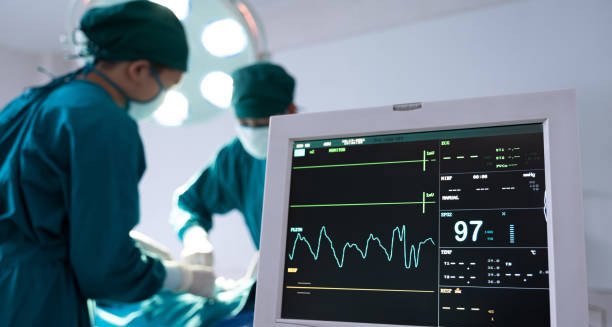

Treatment of Heart Attack
The treatment of heart attack is a time-sensitive medical emergency that aims to quickly restore blood flow to the heart muscle, minimise damage, and prevent complications. Treating a heart attack works best when people act quickly from the very start. First, they recognize the signs and get help right away. Then, doctors provide care in the hospital. After that, ongoing rehab helps the patient recover over time. This step-by-step approach leads to better results.
First, emergency teams start treatment right away. They often give aspirin at the scene to help stop blood clots from getting worse. In addition, paramedics may give oxygen, medicines called nitrates to ease chest pain, and drugs to keep the heart beating steadily. Because every minute matters to save heart muscle, they quickly take the patient to a hospital with special heart care.
Once at the hospital, doctors act fast to check the problem. If the patient has the most serious kind of heart attack, called STEMI, the goal is to get blood flowing again within 90 minutes of arrival. The best way to do this is with a procedure called PCI, or angioplasty. During PCI, doctors put a thin tube (catheter) into a blood vessel and guide it to the blocked artery. Then, they inflate a small balloon to open the artery and place a tiny tube called a stent to keep it open.
If PCI can’t happen in time, doctors may give clot-busting drugs, known as thrombolytics, to break up the clot. However, these drugs can cause more bleeding, so doctors usually use them only when PCI isn’t an option
For non-STEMI patients (NSTEMI) or those with unstable angina, treatment strategies are based on risk stratification. These individuals may receive antiplatelet agents (like clopidogrel), anticoagulants (such as heparin), beta-blockers to reduce heart workload, ACE inhibitors to support heart function, and statins to lower cholesterol. Coronary angiography is often performed to evaluate the need for PCI or bypass surgery.
Treatment of Heart Attack
Pain management, oxygen support, and continuous monitoring are standard in the cardiac care unit. Once stabilised, patients enter a phase of rehabilitation that includes supervised exercise, dietary counselling, smoking cessation support, and emotional care. Cardiac rehabilitation improves survival, reduces the likelihood of repeat events, and helps patients regain confidence in daily activities.
Surgical interventions like coronary artery bypass grafting (CABG) may be required if multiple blockages or complex artery damage is present. CABG involves creating new pathways around blocked arteries using grafts from other blood vessels. It is typically reserved for patients who are not good candidates for stenting or those with extensive disease.
Long-term treatment involves medication adherence, lifestyle changes, and regular follow-up. Commonly prescribed medications after a heart attack include:
Antiplatelet agents to prevent clot recurrence
Beta-blockers to lower heart rate and blood pressure
Statins to manage cholesterol
ACE inhibitors or ARBs to support heart function and control blood pressure
Lifestyle changes—such as quitting smoking, adopting a heart-healthy diet, exercising regularly, managing stress, and maintaining a healthy weight—are vital to preventing future heart attacks.
Treatment of Heart Attack
In summary, the treatment of heart attack is most effective when delivered rapidly and followed by a structured plan for recovery and prevention. Advances in emergency care, interventional cardiology, and long-term management have dramatically improved survival and quality of life for heart attack patients.