
Treatment of Hereditary Haemorrhagic Telangiectasia (HHT) focuses on managing bleeding, preventing complications from AVMs, and improving quality of life. Although there is no cure, modern treatments have greatly improved outcomes. Because HHT affects many organs, care usually involves a team of experts. This team may include ENT doctors, lung and liver specialists, geneticists, and radiologists.
1. Managing Nosebleeds (Epistaxis)
Frequent nosebleeds are often the first sign of HHT. Treatment options range from simple home care to surgery.
a) Moisturising and Humidification
Using saline sprays or gel can keep nasal passages moist. A humidifier helps, especially in dry weather or heated rooms.
b) Nasal Medications
Tranexamic acid may reduce bleeding by helping clots form. In some centres, doctors apply bevacizumab—a drug that slows blood vessel growth—directly to the nose.
c) Cauterisation
Doctors can seal bleeding vessels using chemicals (like silver nitrate) or heat. These treatments may need to be repeated.
d) Laser Treatment
Lasers such as Nd:YAG or KTP target abnormal blood vessels while sparing healthy tissue. Results are often good, but bleeding may return.
e) Septodermoplasty
This surgery replaces damaged nasal lining with a skin graft. It’s used when other treatments fail.
f) Young’s Procedure
As a last resort, doctors may close the nostrils to stop airflow and protect vessels. This method almost always stops nosebleeds but affects smell and breathing.
2. Treating Gut Bleeding
Bleeding from the stomach or intestines is often hidden but can cause serious anaemia.
a) Iron Supplements
Mild cases may need only oral iron. In tougher cases, iron is given through a vein.
b) Endoscopy
Doctors use a method called argon plasma coagulation (APC) during endoscopy to treat bleeding vessels. This may be needed more than once.
c) Hormone Therapy
Hormones like oestrogen and progesterone were once used to reduce bleeding. Today, they’re used less often due to limited benefits and possible side effects.
d) Antiangiogenic Medications
Bevacizumab, used through a vein or nose, can reduce severe or stubborn bleeding. However, availability varies by country.
3. Lung AVM Treatment | Treatment of Hereditary Haemorrhagic Telangiectasia
Lung AVMs can cause strokes or brain infections. Treating them early is key.
a) Embolisation
This is the best option for most lung AVMs. Doctors insert tiny plugs or coils to block abnormal vessels. The procedure is safe and works well.
b) Monitoring
People need follow-up scans every 3–5 years, or sooner if symptoms return. Bubble echocardiography is used to check for new or persistent AVMs.
c) Preventing Infections
Patients with untreated or partial lung AVMs may need antibiotics before dental or surgical procedures. This lowers the risk of infection reaching the brain.
4. Brain AVM Management
Brain AVMs may cause no symptoms or lead to serious problems like seizures or bleeding.
a) Watchful Waiting
Doctors may monitor small, symptom-free AVMs, especially if surgery is risky.
b) Surgery
If safe, surgeons may remove AVMs entirely.
c) Embolisation
Like in the lungs, embolisation can shrink brain AVMs or prepare them for surgery.
d) Focused Radiation (Radiosurgery)
For small, deep AVMs, doctors use precise radiation (such as Gamma Knife). It works slowly, often over 2–3 years.
5. Treating Liver AVMs
Liver AVMs often cause no symptoms. But in severe cases, they may lead to heart failure or bleeding issues.
a) Medicines
Diuretics may reduce swelling caused by fluid retention. Bevacizumab may help lower blood flow through the liver in some people.
b) Liver Transplant
If other treatments fail, a transplant may be needed. For the right patients, results are usually good.
6. Anaemia and Blood Loss | Treatment of Hereditary Haemorrhagic Telangiectasia
Constant bleeding can lead to anaemia, which must be managed over time.
a) Iron Therapy
Oral or IV iron helps restore levels, depending on how severe the loss is.
b) Blood Transfusions
Used in severe or emergency cases.
c) Stimulating Red Blood Cells
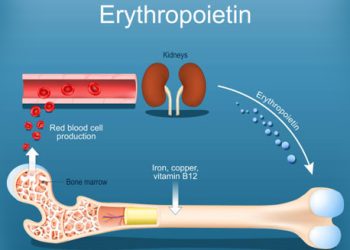
In rare cases, doctors use medication to help the body make more red blood cells, especially when iron alone isn’t enough.
7. Targeted and Experimental Treatments
New treatments are being developed to address the root causes of HHT.
- Antiangiogenic drugs, like bevacizumab, thalidomide, or pazopanib, help reduce blood vessel growth.
- Gene therapy is still in early research but offers long-term hope.
- Clinical trials and patient registries help guide personal treatment plans based on genes and symptoms.
Some patients with HHT may even be misdiagnosed with Hepatitis A due to overlapping liver-related symptoms, such as fatigue, poor appetite, or abdominal pain. However, targeted imaging and genetic testing can clearly separate the two conditions.
8. Genetic Counselling and Family Testing
HHT runs in families, so genetic counselling is very important. Once a gene mutation is found, other family members can be tested.
- Children of someone with HHT have a 50% chance of having it too.
- Early testing means doctors can screen for AVMs before they cause harm.
9. Team-Based Long-Term Care | Treatment of Hereditary Haemorrhagic Telangiectasia
Because HHT affects many organs, patients often need a team of specialists. This team may include:
- ENT doctors
- Lung and liver specialists
- Brain and nerve doctors
- Gut and blood experts
- Genetic counsellors
- Radiologists
HHT centres of excellence offer coordinated care, access to research, and long-term follow-up to help patients live full lives.
In Summary
Treatment of hereditary haemorrhagic telangiectasia focuses on stopping bleeding, managing AVMs, and correcting anaemia. It also prevents long-term damage across the body. With regular care and support from specialists, many people with HHT live active, healthy lives. Ongoing research into targeted treatments, including for conditions like Hepatitis A that may resemble some symptoms, continues to improve patient outcomes.
[Next: Complications of Hereditary Haemorrhagic Telangiectasia →]