
The treatment of hidradenitis suppurativa requires a multi-pronged approach tailored to the stage and severity of the condition.
There’s no known cure for hidradenitis suppurativa, but many treatments can help. These options reduce symptoms, extend periods without flare-ups, and make daily life better. Treatment usually involves a mix of medicine, lifestyle changes, and, when needed, surgery. Every person with hidradenitis suppurativa is different, so treatment plans must be personal.
Starting with Medical Options
Doctors often begin with medicines that lower swelling, stop too much bacteria, and prevent new bumps. For early-stage hidradenitis suppurativa, topical clindamycin works well. This is a cream applied directly to the skin. It reduces swelling and prevents infection. It’s most helpful when flare-ups are mild and haven’t formed tunnels or scars.
For stronger or more widespread disease, oral antibiotics may be needed. Medicines like doxycycline or minocycline help calm the skin and fight bacteria. These are common first steps if creams are not enough.
When Hormones Are Involved
Sometimes, flare-ups follow the menstrual cycle. In such cases, hormonal treatments may help. Doctors may suggest spironolactone or birth control pills. These help balance hormones that may lead to skin bumps. However, they don’t work for everyone and are not always the first choice.
Biologics for Severe Cases
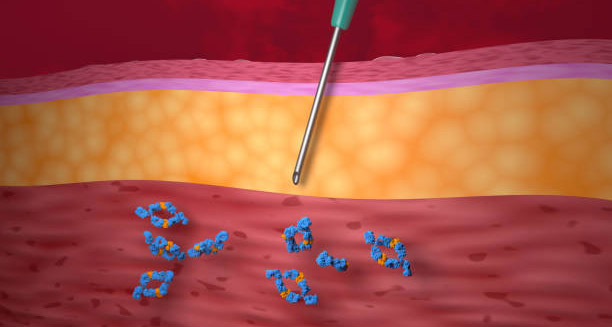
When other treatments don’t work, biologic medicines can help. These drugs target the parts of the immune system that cause swelling. Adalimumab (known as Humira) is the only approved biologic for hidradenitis suppurativa. It is given by injection and helps shrink lumps and reduce flare-ups. If Humira doesn’t work, doctors might try other similar medicines like infliximab or ustekinumab, although these are not officially approved for hidradenitis suppurativa.
Other Medicines That Help
During a bad flare-up, doctors may give corticosteroids. These can be injected into the bump or taken as pills. They give fast relief, but they’re not safe for long-term use. Another option is isotretinoin, often used for acne. Some people with hidradenitis suppurativa see results, but others don’t. It’s not always reliable for this condition.
Surgical Choices for Hidradenitis Suppurativa
Surgery becomes necessary when tunnels or thick scars form. One method is incision and drainage. It gives quick relief, but the problem often comes back. A better option is deroofing. This involves removing the top part of a tunnel so it can heal better. Deroofing often leads to fewer flare-ups and is less harsh than full removal.
Focus keyphrase: hidradenitis suppurativa
In very serious cases, doctors may do a wide excision. They remove all affected skin, often in the underarms or groin. This has the highest success rate for stopping flare-ups in that area. But it takes time to heal and can cause pain, scarring, or limited movement. Doctors use this method only when other treatments fail.
Laser and Light Treatments
Lasers are another choice for some people. A CO₂ laser removes damaged skin and hair roots while keeping the healthy skin safe. This often causes less scarring. Intense pulsed light (IPL) can also lower swelling and improve the skin. These treatments are newer and may not be easy to get. Some may not be covered by medical aid or insurance.
Lifestyle Changes That Make a Big Difference
Simple lifestyle changes help more than many people expect. Quitting smoking is a big one. Smoking makes the disease worse. Stopping can lower flare-ups and help medicine work better. Losing weight helps too. Extra weight causes friction and more sweating, which make hidradenitis suppurativa worse. Eating better and staying active can reduce swelling and improve health overall.
Wearing loose clothes keeps skin from rubbing and getting sore. Washing with antiseptic soaps like chlorhexidine or benzoyl peroxide can lower bacteria on the skin. Warm cloths and zinc supplements may help some people, though these are not proven by science.
Emotional and Mental Health Support
Mental health care is just as important. Living with hidradenitis suppurativa can be painful and upsetting. People often feel ashamed or alone. Depression and anxiety are common. Talking to a counsellor or joining a support group can help. Sometimes, medicine for anxiety or depression is also useful.
Focus keyphrase: hidradenitis suppurativa
A Team-Based Approach to Treatment
Doctors now often recommend team care. This means working with a dermatologist, surgeon, hormone expert, dietitian, and therapist. This team can cover all the parts of the condition—skin, body, and mind. With this help, people often feel better and have fewer problems over time.
Final Thoughts on Treatment of Hidradenitis Suppurativa
The treatment of hidradenitis suppurativa takes more than one method. Medicine, surgery, and lifestyle all play a role. What works for one person might not help another, so the plan must fit the patient. Starting treatment early and checking in often can slow the disease. Education and teamwork give people the best chance to manage it well.