
The treatment of high blood pressure is one of the most important public health strategies in the world today.
Since high blood pressure can quietly harm the heart, kidneys, brain, and eyes, early care helps prevent stroke, heart attack, kidney failure, and early death. The good news is, there are many ways to manage it. With simple lifestyle changes and the right medication, most people can keep their blood pressure at safe levels.
While high blood pressure usually can’t be cured, it can almost always be controlled. People who are diagnosed early often do well with diet, exercise, and stress control. Others may need daily medicine. The main goal is not just to lower the numbers—but to protect vital organs and stop future problems.
Lifestyle Changes That Help
The first step in the treatment of high blood pressure is changing daily habits. These changes help with or without medication. They are especially useful for those with early or mild high blood pressure.
1. Healthy Eating Habits
Food plays a big role in blood pressure. The DASH diet, which stands for Dietary Approaches to Stop Hypertension, is a popular choice. It includes:
- Lots of fruits, vegetables, and whole grains
- Less salt—under 2,300 mg a day, or even better, under 1,500 mg
- Low-fat dairy and lean meats
- Few processed foods and sugary drinks
- Less alcohol
Even cutting back on salt alone can lower your top blood pressure reading by 5 to 6 points. That’s a big deal for your long-term health.
2. Regular Exercise
Moving your body often helps the heart and blood vessels work better. Try walking, biking, swimming, or dancing for at least 150 minutes a week. Add in strength training two or three times a week to support your heart even more.
3. Weight Loss
Carrying extra weight makes high blood pressure worse. Losing just 5 to 10% of your body weight can lower your blood pressure a lot—especially when paired with good food and regular movement.
Supporting the Treatment of High Blood Pressure
4. Cutting Back on Alcohol and Tobacco
Too much alcohol raises blood pressure. Men, in particular, should limit themselves to 14 units a week, spread out over several days. Smoking damages blood vessels and raises blood pressure too. Quitting is one of the best steps you can take.
5. Managing Stress
Stress can drive blood pressure up. It also leads to bad habits like smoking or overeating. Mindfulness, deep breathing, counselling, and hobbies like music or gardening all help ease stress. Making time for these every day can improve results over time.
When Medicine Is Needed
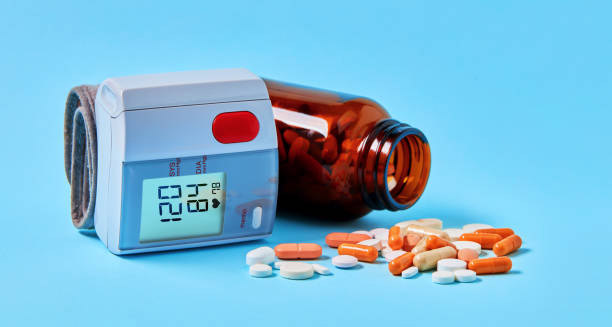
If lifestyle changes alone don’t help, or if blood pressure is very high, doctors may prescribe medicine. The type depends on your age, health, and personal needs.
Here are the most common ones:
- ACE Inhibitors (like ramipril or enalapril): These stop a hormone that tightens blood vessels. Good for younger people and those with diabetes or kidney issues.
- ARBs (like losartan or valsartan): They work like ACE inhibitors but don’t usually cause a cough.
- Calcium Channel Blockers (like amlodipine): Help the vessels relax and lower heart rate. Often used in older adults or those of African descent.
- Diuretics (like indapamide): Help the body get rid of extra salt and water.
- Beta-blockers (like bisoprolol): Slow the heart down. Helpful if someone also has chest pain or abnormal heart rhythms.
Sometimes, people need two or more drugs. A combined pill can make this easier to manage.
Tailoring the Treatment of High Blood Pressure
There’s no one-size-fits-all approach. Doctors think about many things when picking the right plan. These include:
- Age
- Gender
- Ethnic background
- Other illnesses like diabetes or kidney disease
- If someone is pregnant
- Personal habits or preferences
- Risk of side effects
For example, a healthy young adult might start with lifestyle changes and one pill. An older person with diabetes may start with two drugs and get checked often.
Keeping Track and Making Changes
Regular checkups matter a lot. Doctors might adjust medications based on how well they work and how they make the person feel. Blood and urine tests help track kidney health and salt levels in the body.
It also helps to check your blood pressure at home. This way, people can spot patterns, see progress, and feel more in control.
Challenges in the Treatment of High Blood Pressure
Even though we have good treatments, many people still have high blood pressure. Some reasons include:
- Forgetting to take pills
- Bad side effects
- Not being able to afford the medicine
- Not knowing how serious the problem is
- Trusting home remedies instead of medicine
- Missing regular doctor visits
To fix this, health groups are focusing on better patient education, simpler treatment plans, local clinics, and even apps or text messages to help people stay on track.
Other Helpful Options
Some people also try natural or extra approaches. These should not replace medicine but can support it. Examples include:
- Garlic pills, which may lower blood pressure a little
- CoQ10 and omega-3s
- Yoga or tai chi
- Acupuncture (though results vary)
Always speak to your doctor first before trying anything new—especially when taking pills.
Final Thoughts
The treatment of high blood pressure takes effort from both patients and health providers. With daily care, the right medicine, and regular follow-up, most people can live long, full lives.
What makes the biggest difference? Education, support, and steady care. These make sure people don’t just survive high blood pressure—they thrive.