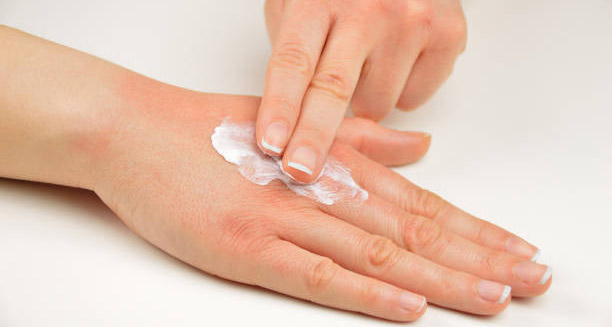

Treatment of ichthyosis focuses on reducing skin dryness, scaling, and discomfort while improving the skin’s overall barrier function.
Hydration and Exfoliation Come First
The treatment of ichthyosis aims to manage long-term symptoms, especially for inherited types. While there’s no cure, daily skin care can make a big difference. Mild cases may improve with simple creams and gentle scrubs. More severe cases often need a mix of treatments based on each person’s needs. Understanding these choices helps patients and caregivers build a steady, effective routine for the treatment of ichthyosis.
Hydrating and removing dead skin are the key steps. Applying emollients every day keeps the skin moist and reduces tightness. Products with urea, lactic acid, or propylene glycol help both hydrate and loosen dry skin. For example, using a 10% urea cream after a bath can soften rough areas. In stubborn cases, stronger creams (up to 40% urea) may be needed with a doctor’s guidance.
Bathing Helps the Skin
Bathing the right way helps manage ichthyosis. Soaking in warm water for 10–20 minutes softens the scales. This makes them easier to remove. Use gentle, scent-free cleansers since harsh soaps dry the skin more. After bathing, pat the skin dry and apply moisturiser right away to seal in water. Some people benefit from adding bath oils or oatmeal to soothe the skin and reduce itching.
Managing Thick Scaling
For thick, hard-to-remove scaling, keratolytic creams can help. These include salicylic acid and alpha hydroxy acids. They break down dead skin, making it easier to shed. But they must be used carefully. In kids or when used on large skin areas, they can irritate the skin or cause side effects. It’s best to use them under a skin doctor’s care.
Advanced Medications for Severe Cases
When ichthyosis is very severe, doctors may prescribe oral medications called retinoids. These drugs, like acitretin or isotretinoin, help control how skin cells grow and shed. They can greatly reduce scaling, especially in genetic types. But they carry risks such as liver problems, high cholesterol, and serious effects on unborn babies. Because of this, women must follow strict birth control plans during and after treatment. These drugs are not suited for long-term use in everyone.
Preventing and Treating Infections
Since the skin barrier is weak, infections are common. Bacteria, fungi, or viruses can enter cracked skin and cause redness, swelling, or pus. Quick treatment with antibiotics, antifungals, or antivirals is often needed. Daily skin checks, especially for kids and those with less mobility, help catch infections early. In some cases, doctors may recommend bleach baths to lower the number of harmful bacteria.
Future Therapies Show Promise
New ideas for treatment of ichthyosis are being studied. These include gene therapy, enzyme replacements, and mRNA-based options. Though still in early testing, they bring hope for more personalised and lasting treatment. As these therapies develop, they may change the future outlook for ichthyosis.
Routine and Mental Health Support Matter
Because ichthyosis is often lifelong, building a steady daily routine is crucial. Using age-appropriate products makes it easier to stick to the plan. Some families track their progress in a treatment journal. This helps them learn what works best during different seasons or illnesses.
Mental health also plays a big role. Living with ichthyosis can affect how people feel about themselves. Joining support groups, talking to a therapist, or getting involved in advocacy networks can ease the emotional load. Sharing experiences and learning from others helps reduce stress and boost confidence.
Treating the Cause in Acquired Cases
For acquired ichthyosis, treating the main illness is key. For example, skin symptoms may improve once lymphoma or HIV is managed. In these cases, skin treatment should be part of a full care plan. Doctors from different fields—like cancer or infectious disease specialists—may work together to help.
Low-Cost Options in Resource-Limited Areas
In some places, fancy treatments are hard to find. Even basic remedies like petroleum jelly, coconut oil, or glycerine-based products can help. These keep skin moist and reduce discomfort. Teaching people about simple skin care habits makes a big impact, even with limited resources.
Summary and Outlook
The treatment of ichthyosis takes a personalised, multi-step approach. Moisturising, gentle exfoliation, infection control, and sometimes medicine all play a part. While a cure remains out of reach for most forms, steady care can lead to great improvements in comfort and appearance. New research offers hope for better treatments ahead. Until then, staying consistent and informed remains the best way to manage this skin condition.