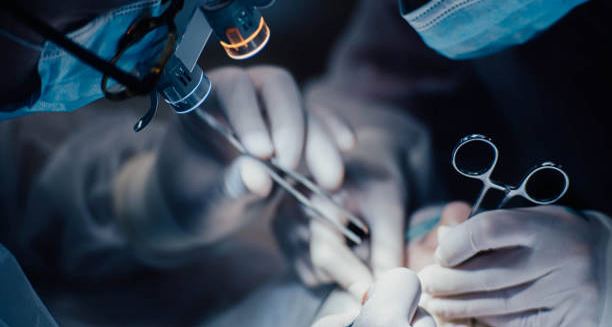

The treatment of intracranial hypertension focuses on lowering high pressure inside the skull, easing symptoms, protecting vision, and preventing lasting problems. The approach depends on whether the condition is idiopathic (with no clear cause) or secondary (caused by another issue). Treatments range from lifestyle changes and medicines to surgery. Quick action is key to protect the brain and optic nerves from damage caused by long-term pressure.
Idiopathic vs Secondary Intracranial Hypertension
In idiopathic intracranial hypertension (IIH), the goal is to lower cerebrospinal fluid (CSF) pressure and keep vision normal. For secondary intracranial hypertension, doctors treat the root cause—such as brain tumors, infections, injuries, or blood flow problems—while also managing the high pressure.
Lifestyle Modifications
One of the most important steps in treating intracranial hypertension, especially in IIH, is weight control. Many studies show that even small weight loss can lower CSF pressure and reduce symptoms. Overweight patients are encouraged to follow a healthy diet and exercise regularly. Sometimes medical weight loss programs or weight-loss surgery may be needed, especially when fast results are required or other methods fail.
Patients are also advised to avoid things that raise pressure, including:
- Sleeping with the head raised to help drain blood from the brain
- Avoiding straining during bowel movements by using stool softeners if needed
- Cutting down on salty foods that cause fluid build-up
- Staying cool and well-hydrated, as heat and dehydration can worsen symptoms
These lifestyle steps support medical and surgical treatments but usually do not work alone.
Medicines to Lower Pressure
The first-choice drug for intracranial hypertension is acetazolamide. This medicine lowers CSF production in the brain, helping to reduce pressure and ease headaches and vision problems. Doctors adjust the dose based on how well symptoms improve and side effects. Common side effects include tingling in fingers or toes, tiredness, stomach upset, and changes in taste.
If acetazolamide does not work well or causes problems, topiramate may be used. It also lowers CSF production and can help with weight loss and headaches. However, topiramate may slow thinking, affect mood, or cause kidney stones in some people.
In severe cases, doctors might add furosemide, a diuretic that increases fluid loss to reduce pressure further. It is sometimes combined with acetazolamide for better effect. Patients taking these drugs need regular tests to check electrolyte balance and kidney health.
Corticosteroids reduce inflammation but are usually avoided long-term because they can cause fluid retention, weight gain, and increased pressure. They may be used briefly in emergencies or when inflammation is part of the problem.
Managing Headaches and Vision
For ongoing headaches, treatment may include painkillers or migraine medicines like amitriptyline or propranolol. It is important to avoid overusing pain medication, which can cause more headaches.
Protecting vision is crucial. Patients need regular eye exams. If vision worsens, more aggressive treatment may be needed. Some patients require optic nerve sheath fenestration (ONSF), a surgery that makes a small cut in the membrane around the optic nerve to relieve pressure. This procedure can save vision in one or both eyes, especially if vision loss happens quickly.
Surgical Treatments
If other treatments fail or vision is at risk, surgery may be necessary.
A common surgery is CSF shunting. A tube (ventriculoperitoneal or lumboperitoneal shunt) diverts fluid from the brain or spine to the belly, where the body absorbs it. Shunts work well but can block, get infected, or need repeated surgery.
Venous sinus stenting is a newer method used in patients with blocked veins in the brain. A stent opens the narrowed vein to improve blood flow and lower pressure. This is usually for patients who do not respond to medicine and have clear vein blockage on scans.
Therapeutic lumbar punctures can temporarily reduce CSF volume and relieve symptoms. Sometimes repeated punctures are done until a permanent treatment is ready. However, this is not a long-term solution and can cause infections or leaks.
Treating Secondary Intracranial Hypertension
When intracranial hypertension is caused by another problem, treating that issue is the priority:
- Brain tumors may need surgery, radiation, or chemotherapy
- Blood clots in brain veins are treated with blood thinners or procedures
- Hydrocephalus from blockage is treated with shunts or drains
- Infections like meningitis require antibiotics and supportive care
Fixing the main cause often improves pressure without long-term pressure-specific treatment.
Team Care and Ongoing Monitoring
Treating intracranial hypertension usually involves a team, including neurologists, eye doctors, surgeons, and dietitians. Regular check-ups are needed to track symptoms, eye health, and adjust treatment. People with IIH may need lifelong care and should learn to monitor symptoms, take medicine properly, and follow healthy habits.
Women planning pregnancy need special care. Managing weight before pregnancy and close monitoring during pregnancy is important, as hormonal and fluid changes can worsen intracranial pressure.
Conclusion
The treatment of intracranial hypertension requires a mix of lifestyle changes, medicines, and sometimes surgery. Tailoring treatment to the cause and symptom severity offers the best results. With early diagnosis and teamwork, many patients can find relief and avoid the serious effects of uncontrolled pressure.