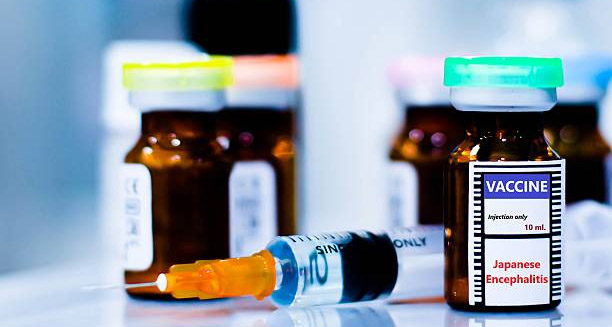

Japanese encephalitis is a potentially life-threatening condition caused by the Japanese encephalitis virus (JEV), which is transmitted by mosquitoes. While most cases are asymptomatic, a small number develop severe neurological disease that needs urgent medical attention. Since there is no specific antiviral drug for this illness, the treatment of Japanese encephalitis focuses on supportive care. The aim is to manage symptoms, avoid complications, and help the patient recover. Quick action increases the chances of survival and lowers the risk of long-term damage.
In areas where the virus spreads often, treatment of Japanese encephalitis also helps reduce death rates and ease pressure on hospitals. Knowing what treatment options exist for both the early and recovery phases helps doctors, families, and decision-makers plan better.
Hospital Support is Key to the Treatment of Japanese Encephalitis
Because a virus causes Japanese encephalitis, antibiotics do not work. So far, no antiviral drug has shown consistent success in trials. This makes supportive hospital care the main method of treatment. Doctors monitor vital signs, manage each symptom, and work to stop new problems from appearing.
a. First Steps to Stabilise the Patient
Care begins with keeping the airway, breathing, and blood flow stable. Many patients need:
- Fluids through a drip to prevent dehydration
- Oxygen for breathing problems
- Electrolyte checks to fix imbalances from fever or vomiting
- Paracetamol to lower high fever
b. Monitoring Brain Health
The virus can cause swelling in the brain. So, doctors watch for:
- Changes in alertness
- New or worse seizures
- High pressure inside the skull
- Signs of coma or brainstem problems
If brain pressure rises, staff may raise the bed head, use diuretics like mannitol, or start a breathing machine to ease the load on the brain.
Seizure Control and Managing Unconsciousness
Seizures often happen, especially in children. Treating them fast protects the brain.
a. First-Line Seizure Treatment
Doctors use diazepam or lorazepam right away. If that fails, they may give phenytoin, valproic acid, or phenobarbital.
b. Long-Term Seizure Plans
Some people develop long-term epilepsy after the illness. These patients may need daily seizure medicine. A neurologist usually guides this, using EEG scans as needed.
For patients who fall into a coma, care gets more complex. They may need:
- Machines to help them breathe
- Feeding through a nose tube
- Catheters to check kidney function
- Regular checks for brain status
Nurses also work to stop pressure sores, blood clots, and infections.
Broader Recovery in the Treatment of Japanese Encephalitis
Some people face movement issues like tremors or rigid muscles. Paralysis may also appear. Though no drug reverses these directly, some treatments help reduce symptoms:
- Muscle relaxants or dopamine-based drugs
- Botulinum toxin for severe spasms
- Physical therapy to keep muscles strong
Recovery varies, but early rehab usually helps.
Fever and vomiting often cause weight loss and low fluids. So, doctors focus on keeping energy and water levels stable:
- IV fluids match the body’s salt balance
- Feeding tubes or IV nutrition support eating problems
- Blood tests track kidney and liver health
Rehabilitation and Future Care
Even when patients recover physically, many still struggle with thinking or mood. Problems may include memory loss, speech trouble, or depression. So, a full rehab plan includes:
- Speech therapy
- Help with daily activities
- Counselling or CBT
- Education for the family
The treatment of Japanese encephalitis also requires planning for life after hospital. Before sending patients home, doctors check their physical, mental, and emotional state. They build a custom care plan, which may include:
- Neurologist visits
- Physiotherapy and speech help
- Support at school for kids
- Counselling for both patient and family
New Drugs and Public Health Support
Doctors continue to study medicines like ribavirin, interferon-alpha, minocycline, and IVIG. However, none are yet part of standard care.
In poor regions, hospitals may not have machines or ICU beds. Here, basic care is vital. Community health workers help by:
- Spotting danger signs
- Giving paracetamol and fluids
- Referring patients early
Public health teams also work after diagnosis to stop more infections. They may:
- Trace how the person got infected
- Run mosquito control drives
- Advise travellers
- Promote vaccines in the area
These steps help reduce future outbreaks and save lives.
Final Thoughts on the Treatment of Japanese Encephalitis
The treatment of Japanese encephalitis focuses on support and symptom control. There is no cure yet, but good hospital care, seizure control, and rehab can greatly improve outcomes. Quick action and complete rehab help many regain function and live independently.
At the same time, public health efforts are just as important. Fighting mosquitoes and increasing vaccination can reduce the spread of the virus, especially where hospitals lack resources.
As travel grows and climates change, the treatment of Japanese encephalitis must remain a public health priority.