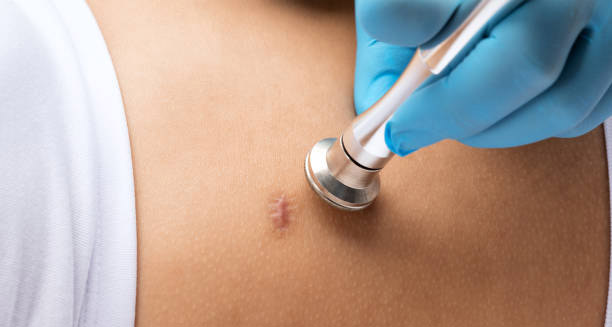

Treating keloid scars can be challenging. These scars tend to return and often resist standard therapies. They form when the body produces too much collagen after a wound has healed. As a result, treating keloids often requires a combination of approaches.
No single treatment works for everyone. The choice depends on the size, location, severity, and symptoms of the scar. Skin type and medical history also play a role. Treatment usually focuses on three goals: reducing scar size, easing discomfort, and preventing recurrence. In some cases, therapy also helps patients cope with emotional distress caused by visible or painful scars.
1. Corticosteroid Injections
One of the most common treatments for keloids is corticosteroid injections. These are injected directly into the scar every 3 to 4 weeks. The steroids reduce inflammation and slow collagen production. Over time, the scar becomes flatter, softer, and less itchy.
Triamcinolone acetonide is the steroid most often used. While it is usually effective, it can cause side effects such as skin thinning, color changes, or injection-site pain. Because keloids can return after injections stop, doctors often combine this therapy with other treatments.
2. Silicone Gel Sheets and Ointments
Silicone-based products are a gentle, non-invasive option. These include gel sheets, self-drying gels, and ointments. They help hydrate the scar and reduce collagen overgrowth.
Silicone therapy works best on early-stage or new keloids. Patients often need to wear silicone sheets for 12 to 24 hours a day for several months. These products are safe for most people, including children and those with sensitive skin.
3. Cryotherapy
Cryotherapy uses liquid nitrogen to freeze and destroy scar tissue. This method is especially helpful for small, firm keloids. Over time, it can reduce the height and firmness of the scar.
When combined with corticosteroid injections, cryotherapy can yield even better results. However, it may cause skin discoloration, particularly in people with darker skin. It’s also not suitable for large or highly vascular scars.
4. Laser Therapy
Laser treatment is increasingly popular. It improves the texture, color, and thickness of keloid scars. Pulsed dye lasers (PDL) are most commonly used. They target blood vessels in the scar to reduce redness and swelling.
Laser therapy works best when paired with other treatments like steroids or topical creams. It is safe but often requires multiple sessions. Although not a cure, laser therapy can greatly improve the scar’s appearance and reduce symptoms like itching.
5. Surgical Excision
Surgery may be an option for large or painful keloids that don’t respond to other treatments. It involves cutting out the scar tissue, usually under local or general anesthesia.
However, surgery alone has a high risk of recurrence—up to 70%. It often triggers the same healing response that caused the original keloid. That’s why surgery is almost always combined with follow-up therapies such as steroid injections, silicone sheets, pressure garments, or radiation.
6. Radiation Therapy
Radiation therapy is sometimes used after surgical removal of a keloid. Low-dose radiation helps kill leftover fibroblast cells that might cause the scar to grow back.
While effective, radiation carries long-term risks. It is used with caution, especially in younger patients or near vital organs. Still, when carefully planned, it can significantly reduce the chances of recurrence.
7. Pressure Therapy
Pressure therapy involves wearing compression garments or bandages to flatten the keloid. It is especially effective on earlobe keloids and is often used after surgery or ear piercing.
To be successful, pressure must be applied consistently for 12 to 18 hours a day over several months. This treatment is non-invasive and affordable, but it can be uncomfortable, which may affect compliance.
8. 5-Fluorouracil (5-FU)
5-FU is a chemotherapy drug that can also treat keloids. It is either injected directly into the scar or applied as a cream. It helps reduce collagen production and scar size.
Doctors often use 5-FU together with corticosteroids. While effective, it may cause mild pain, redness, or peeling at the treatment site.
9. Natural and Alternative Therapies
Some natural remedies are used to manage keloids, though scientific proof is limited. These include:
- Onion extract gel – may reduce redness and thickness.
- Vitamin E oil – popular but may worsen irritation in some cases.
- Tea tree oil – often used to relieve itching.
Patients should consult a doctor before trying any natural treatment, especially on sensitive or broken skin.
10. Psychological Support
Keloids can have a strong emotional impact. People with visible scars often feel anxious, embarrassed, or depressed. This is especially true for scars on the face, chest, or other exposed areas.
Counselling, support groups, or mental health therapy can help. A holistic approach—addressing both the physical and emotional effects—is essential for long-term wellbeing.
Final Thoughts
Treating keloid scars takes time and a personalised strategy. While no cure exists, combining medical treatments, surgical options, and self-care can lead to meaningful improvements.
Early intervention matters. People prone to keloids should avoid skin trauma and follow medical advice to prevent new scars. With new treatments and better awareness, patients now have more options than ever to manage this difficult condition.