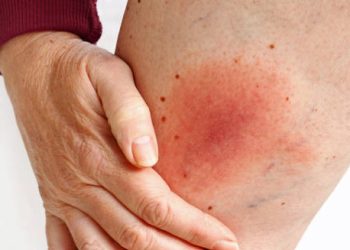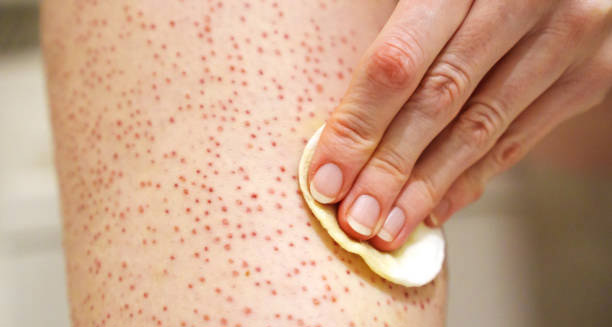

The treatment of keratosis pilaris focuses on improving the skin’s appearance and texture rather than providing a permanent cure.
Keratosis pilaris is harmless but often lasts a long time. Treatment helps reduce bumps and roughness using daily care, exfoliation, and sometimes medicine. However, it takes time to see results. Regular care is needed to stop the bumps from coming back.
Even though the condition isn’t harmful or contagious, it can upset people—especially if symptoms are severe. Thankfully, many products and treatments can help.
Daily Skincare and Moisturisation in Treatment of Keratosis Pilaris
The most important step is sticking to a simple skincare routine. Dry skin often makes the bumps worse. So, moisturising twice a day can really help smooth things out.
Helpful moisturisers include:
- Urea creams (5–10%) to soften clogged pores
- Lactic acid or ammonium lactate lotions to hydrate and gently exfoliate
- Glycolic acid creams to smooth skin
Choose fragrance-free and allergy-safe products to avoid irritation. For better results, apply them after a shower while the skin is still moist.
Exfoliation Techniques
Getting rid of dead skin cells helps unclog pores. But be gentle. Harsh scrubbing can make things worse.
Options include:
- Using a soft cloth or scrub a few times a week
- Applying products with AHAs like glycolic or lactic acid, or BHAs like salicylic acid
Chemical exfoliants often work better than scrubs. They go deeper into the skin without causing scratches. Mixing them with moisturisers can improve results while keeping the skin calm.
However, don’t overdo it. Too much exfoliating can cause redness, dryness, and soreness. Always adjust how often you use these products based on how your skin reacts.
Topical Treatments
Several creams and gels help in the treatment of keratosis pilaris. These include:
- Retinoids like tretinoin or adapalene to improve skin turnover
- Creams with urea or salicylic acid to clear blocked pores
- Mild steroid creams for red or swollen bumps (only for short-term use)
Use retinoids at night and start slowly, especially if your skin is sensitive. Always wear sunscreen while using them because they can make skin more sensitive to sunlight.
Medical Treatments and Professional Care
For tough cases, dermatologists may suggest stronger treatments. These often give quicker results but may cost more and need follow-up visits.
Options include:
- Laser therapy to reduce redness and smooth skin
- Microdermabrasion to gently remove the top layer
- Chemical peels with glycolic or salicylic acid
These treatments work best for people with lots of bumps or who want fast results. Still, they are not cures. Most people need to keep using home care afterward.
Lifestyle Choices to Support Treatment of Keratosis Pilaris
Small changes at home can also help:
- Use warm—not hot—water for showers
- Choose gentle, soap-free cleansers
- Use a humidifier, especially in dry months
- Wear soft clothes that don’t rub or irritate the skin
These steps help keep the skin calm and more comfortable.
Stay Consistent with Treatment
The biggest key to success is sticking with your routine. No matter what method you choose, you need to apply it daily.
Most people see better skin in 4 to 6 weeks. But stopping treatment too soon often brings the bumps back.
Keep your expectations realistic. The treatment of keratosis pilaris may not remove all bumps, but it can make your skin look and feel much better over time.
Treatment in Children
Children and teens often get this condition too. For them, simple care works best:
- Use plain, fragrance-free moisturisers
- Gently exfoliate with a soft cloth
- Avoid strong products like retinoids
In many cases, keratosis pilaris gets better with age. Some kids grow out of it. But if it causes stress or discomfort, a children’s skin doctor can help choose gentle treatments.
Emotional Support and Patient Education
Because this condition is seen as a cosmetic issue, many patients feel ignored. That’s why it’s important to educate and support them.
Doctors should take the time to explain the condition. They should also listen to concerns and offer helpful tips. Teenagers especially need extra support, as skin problems can hurt confidence.
Online support groups and skin clinics can also help. They give useful advice and remind patients they’re not alone.
Final Thoughts on the Treatment of Keratosis Pilaris
The treatment of keratosis pilaris works best when you combine gentle skincare, moisture, and the right treatments. There’s no cure, but big improvements are possible.
Your results depend on how bad the symptoms are, what your skin can handle, and how steady you are with care. With the right help and knowledge, you can manage your skin and feel more confident.