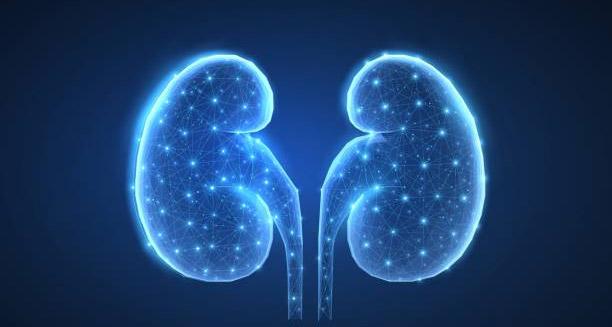

Treatment of kidney stones depends on several key factors, including the size, location, and composition of the stone, as well as the severity of the patient’s symptoms and their overall health.
The treatment of kidney stones often starts with simple care, especially if the stone is small. In these cases, no surgery is needed. But for larger stones or ones causing problems, doctors may need to take stronger steps. The main goal of the treatment of kidney stones is to ease pain, remove the stone, stop infections, and prevent new stones from forming.
Doctors do more than just treat the pain and blockage. They also try to stop new stones from forming. This often includes a mix of medicines, changes in daily habits, and sometimes surgery. Each case is different and needs its own approach.
Conservative Management for Small Stones
Small stones, usually less than 5 millimetres wide, can often pass without surgery. In these cases, the treatment of kidney stones helps the stone pass naturally and keeps pain under control.
Drinking More Fluids
Doctors tell patients to drink 2 to 3 litres of water daily. This helps clean out the urinary system. More fluids can push the stone through faster.
Easing the Pain
Common painkillers like ibuprofen help reduce swelling and pain. If the pain is very bad, doctors may give stronger medicine or muscle relaxers.
Helping the Stone Pass
Some medicines, like alpha-blockers (for example, tamsulosin), help relax the muscles in the ureter. This can make it easier for the stone to move. This treatment works best when the stone is in the lower ureter.
Even though these steps are simple, doctors watch the patient closely. If the stone doesn’t pass in a few weeks, or if the pain gets worse, other treatments are needed.
Medical Management Based on Stone Composition
The treatment of kidney stones changes based on what the stone is made of. Knowing the type of stone helps doctors choose the right medicine.
Calcium Oxalate or Calcium Phosphate Stones
- Medicines like thiazide diuretics lower calcium in the urine.
- Potassium citrate can stop crystals from forming by raising urine pH and citrate levels.
Uric Acid Stones
- Allopurinol helps reduce uric acid in the body.
- Medicines like potassium citrate or sodium bicarbonate make the urine less acidic, which can help dissolve stones and stop them from coming back.
Cystine Stones
- These rare stones often run in families. Patients need to drink more water. Doctors may also give medicines like tiopronin to bind with cystine.
Struvite Stones (linked to infection)
- These stones need to be fully removed. Doctors also treat the infection with antibiotics.
This type of treatment of kidney stones helps protect the kidneys and lowers the chance of getting more stones in the future.
Interventional and Surgical Treatments for Kidney Stones
Sometimes, simple care doesn’t work, or the stone is too big to pass. In these cases, the treatment of kidney stones must involve surgery or special tools. Many options are available today and are less risky than before.
Shock Wave Lithotripsy (SWL)
How it works: High-energy sound waves break the stone into smaller bits, which pass in the urine.
Best for: Stones in the kidney or upper ureter under 2 cm.
Pros: No surgery; quick recovery.
Cons: May need more than one session; not for very hard stones.
Ureteroscopy
How it works: A thin tube goes through the bladder into the ureter. A laser breaks the stone, or the doctor removes it.
Best for: Stones in the ureter or lower kidney.
Pros: No cuts; doctors take out the pieces.
Cons: Usually needs general anaesthesia.
Percutaneous Nephrolithotomy (PCNL)
How it works: A small cut is made in the back to reach the kidney. The doctor removes the stone directly.
Best for: Big or hard-to-reach stones.
Pros: Works well for large stones.
Cons: More invasive; hospital stay needed.
Open or Laparoscopic Surgery
This is rare and only used when other methods don’t work.
The doctor removes the stone through a cut.
Thanks to these modern tools, the treatment of kidney stones is now safer and faster, with good results and shorter healing time.
Pain Management and Supportive Care
Even when doctors use surgery or strong medicine, comfort care is still important in the treatment of kidney stones.
Pain relief is key while the stone is passing or after surgery.
If the stone causes sickness in the stomach, anti-nausea medicine helps.
If doctors think there’s an infection, they give antibiotics.
Since pain can come and go and be very strong, patients need a mix of fast and long-lasting pain medicine, based on how they feel.
Prevention of Recurrence
The long-term treatment of kidney stones is about more than just removing the stone. Preventing another one is just as important, especially in people who’ve had them before.
Lifestyle Changes
- Fluids: Drink enough water to make at least 2 litres of urine each day.
- Food: Eat less salt, meat, and foods high in oxalates like spinach and nuts.
- Calcium: Get the right amount—not too much or too little.
Follow-up and Checks
- Imaging: Regular scans can help spot new stones early.
- Urine tests: A 24-hour urine test shows risks and helps guide food and medicine plans.
- Stone testing: Studying the stone helps doctors choose better treatments.
When patients stick to these steps, they lower the chance of getting new stones.
Treatment of Kidney Stones in Special Populations
Some people need a different approach. The treatment of kidney stones must be adjusted for:
- Pregnant women: Doctors avoid scans with radiation. Ultrasound is safer.
- Children: Doctors pick the least invasive option.
- People with one kidney: Kidney function is watched closely.
These cases often need a team that includes kidney and urinary doctors, and sometimes diet experts.
Conclusion
The treatment of kidney stones ranges from simple hydration and pain relief for small stones to advanced surgical procedures for complex or obstructive cases.
By understanding the stone type, size, and the person’s health, doctors can choose the right plan. With the right care and lifestyle habits, most people fully recover and avoid future kidney stones.