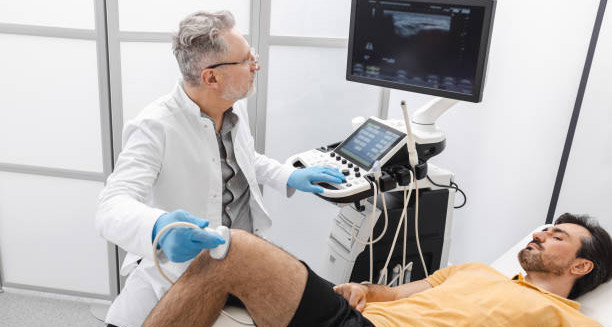

Treatment of knee cartilage damage is a complex and evolving field, driven by advances in regenerative medicine, surgical techniques, and physiotherapy.
As cartilage does not have its own blood supply, healing takes longer and often stays incomplete. This makes treatment of knee cartilage damage very important for people who deal with pain, poor movement, and joint problems. Doctors choose treatment based on the amount and place of damage, age, activity level, and whether the ligaments or menisci are also hurt.
Many people start with simple methods to treat knee cartilage damage. These include resting the knee, changing daily activities, and using anti-inflammatory medicines like ibuprofen or naproxen. These drugs help ease pain and lower swelling. They let the joint rest and heal from minor injuries. Ice and gentle pressure can also help in the early days of an injury. However, these treatments only ease symptoms. They cannot fix or grow back the cartilage. So, they are best for mild or surface-level damage.
Physical Therapy and Injections in Treatment of Knee Cartilage Damage
Physical therapy plays a big part in both early care and after surgery. A strong rehab plan can make the muscles around the knee stronger. This gives the joint more support and reduces stress on the cartilage. The therapy includes stretching, strength training, and balance exercises. Some people also do light workouts like swimming or cycling. These improve movement without putting too much pressure on the joint. The main goal is not just to ease pain but to stop the damage from getting worse.
If these steps do not help, doctors may try injections. Corticosteroid shots can lower swelling and give short-term relief. But they should not be used too often since they can cause more cartilage loss. Another option is hyaluronic acid shots. These improve the fluid in the joint, which helps it move more smoothly. Results vary, but some people feel less pain and move better after getting these shots.
New Options in the Treatment of Knee Cartilage Damage
Newer treatments in regenerative medicine are becoming more popular for the treatment of knee cartilage damage. One of these is platelet-rich plasma (PRP) therapy. It uses the person’s own blood platelets to heal the knee and reduce swelling. Another method is stem cell therapy. It takes special cells from bone marrow or body fat to help grow new cartilage. These treatments are still being studied. But early results show they may help younger people with small cartilage injuries.
When none of these methods work, surgery is the next step. The kind of surgery depends on how bad the damage is. Arthroscopic debridement is a small operation. It removes loose bits of cartilage and smooths rough areas to stop more damage. While it helps in the short term, especially for younger patients, it cannot replace lost cartilage. Doctors often use it with other methods.
Surgical Techniques for Treating Knee Cartilage Damage
Microfracture surgery is a more advanced method. It creates tiny holes in the bone to grow new cartilage from bone marrow. This new cartilage is not as strong as the original but can reduce pain and delay bigger surgeries. This method works best for young, active people with small areas of damage.
Another option is autologous chondrocyte implantation (ACI). This two-part process takes healthy cartilage cells from the person’s knee and grows them in a lab. Later, doctors put the new cells into the damaged area during a second surgery. ACI shows good results in rebuilding cartilage and making the joint work better. It is complex and usually for people under 50 with limited damage.
MACI, or matrix-induced autologous chondrocyte implantation, is a newer version of ACI. It places the grown cells on a special patch that is then added to the joint. This helps spread the cells more evenly and improves how they connect with the rest of the cartilage. Long-term results look good, helping people return to normal life and slowing the start of arthritis.
Advanced Surgeries and Lifestyle in Treatment of Knee Cartilage Damage
Sometimes, if the damage is large or the knee is out of alignment, doctors do an osteotomy. In this surgery, they cut and shift the bones to move weight away from the bad area. This can help the joint last longer and put off the need for full knee replacement, especially in younger people.
If the damage becomes too bad and other treatments do not work, knee replacement may be needed. This could be a partial or full knee replacement. Newer tools and surgery methods have made knee replacements very successful. They help reduce pain and bring back movement. Still, since these artificial joints wear out over time, doctors usually suggest them for older people or those with severe problems.
After surgery, recovery is key. Healing may take several months. It includes physical therapy, lifestyle changes, and sometimes using walking aids. Sticking to the rehab plan makes a big difference in how well the knee works long term.
Besides medical care, daily habits also matter a lot in the treatment of knee cartilage damage. Keeping a healthy weight eases the load on the knee. Eating healthy foods that lower swelling can help your joints. People should also avoid hard-impact sports like running on hard ground or jumping, as these can make the damage worse.
Final Thoughts on the Treatment of Knee Cartilage Damage
In short, treatment of knee cartilage damage offers many options. These range from simple care and injections to new cell-based methods and surgery. The right choice depends on the person’s needs and how bad the damage is. With early action and a plan made just for them, many people can move freely again and protect their joint health for a long time.