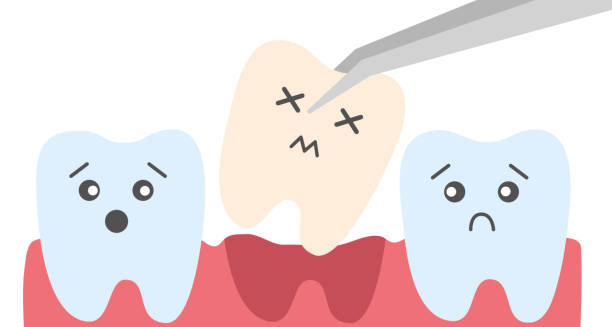

Treatment of Knocked-Out Tooth
A successful treatment of knocked-out tooth injuries requires rapid, evidence-based action tailored to the condition of the tooth and the time elapsed since avulsion.
The main goal of treatment of knocked-out tooth injuries is to put the tooth back in place and keep nearby tissues healthy. Acting quickly gives the tooth a better chance of survival and helps prevent later dental problems.
Timing Matters Most in Treatment of Knocked-Out Tooth
Time is the most important factor. Replacing the tooth within 15 to 60 minutes gives the best results. In clinics or hospitals, dentists try to put the tooth back right away if it’s clean and whole. Before doing that, they rinse it with saline or milk to get rid of dirt. They never scrub it, as that can damage the delicate cells on the root.
The tooth is placed back in the socket with care, making sure it’s facing the right way. A dentist then uses a flexible splint to hold it in place with nearby teeth. This splint stays for about two weeks, giving the ligament time to heal and stick back to the bone. During this time, patients may get antibiotics to stop infections. Doctors also check tetanus shots, especially if the injury happened in a dirty place.
Sometimes reimplantation cannot happen right away. If the tooth was left dry too long or kept in the wrong way, other steps are needed. The tooth might be soaked in fluoride solution first. This slows down damage to the root. But if the root is badly harmed or the area shows signs of infection, the dentist might suggest long-term options instead.
Special Considerations for Baby and Adult Teeth
Young children with baby teeth usually don’t get reimplantation. Putting a baby tooth back can hurt the growing adult tooth underneath. In these cases, the treatment of knocked-out tooth focuses on easing pain, stopping infection, and keeping the space open for adult teeth to come in correctly.
For permanent teeth, a root canal is often needed after reimplantation. If the pulp inside the tooth dies, the dentist removes it to prevent more problems. The timing of the root canal depends on things like root development and how soon the tooth was reimplanted. Sometimes, the root canal is done as early as 7 to 10 days later to lower the risk of infection or root damage.
If the tooth cannot be reimplanted or the attempt fails, long-term fixes are needed. These may include bridges, partial dentures, or dental implants. Teens usually get temporary fixes first. Later, when jaw growth finishes, they can get implants. These solutions help keep the mouth looking good and working well for eating and talking.
Long-Term Support and Patient Education
Supportive care plays a big role too. Patients should eat soft foods, clean their mouths well, and use an antibacterial mouth rinse like chlorhexidine to avoid infection. Follow-up visits help the dentist check how the tooth is healing. They also look for problems like tooth-to-bone fusion or root damage.
In tough cases, like when many teeth are knocked out or the jawbone is broken, a team of experts may need to help. This may include oral surgeons and other dental specialists. They may use surgery, special scans, or detailed treatment planning. Working together helps protect both function and appearance.
Teaching patients what to do is key. Many people don’t know that quick and proper action can save a knocked-out tooth. Families should learn to handle the tooth by the crown, not the root. They should store it in milk or saliva, not water. Dentists should always give clear first-aid tips for dental injuries, both in person and in writing.
Prevention and Follow-Up in Treatment of Knocked-Out Tooth
Preventing tooth injuries helps too. Wearing mouthguards during sports—especially rough ones like rugby or hockey—can protect teeth. For people with front teeth that stick out, braces or other dental work might help lower the risk of trauma. These steps reduce the number of cases and make treatment of knocked-out tooth easier in the future.
Ongoing care is just as important. Even if the tooth heals well at first, patients must return for regular check-ups. These may include exams, X-rays, and tests to see if the tooth pulp is still alive. Any later problems, like root damage or changes in the pulp, need quick attention. The final result depends not only on the first treatment but also on good long-term care.
Dental groups like the International Association of Dental Traumatology (IADT) offer clear rules for how to handle these cases. Their guides help dentists act fast and follow proven steps to get the best outcome.
In short, the treatment of knocked-out tooth cases needs fast action and careful planning. It includes first steps like putting the tooth back, using splints, and giving antibiotics. Later steps involve root canal treatment, possible tooth replacement, and regular check-ups. When handled properly, many knocked-out teeth can be saved and work well for years.