
Treatment of labial fusion is typically straightforward and non-invasive, particularly when identified early. In most cases, labial fusion can be managed with little intervention, especially if it causes no symptoms. However, if there are issues such as trouble urinating, discomfort, or hygiene problems, active care becomes necessary. The main goal of the treatment of labial fusion is to restore normal anatomy, improve urination, and lower the risk of future problems.
The first step is to decide whether treatment is even needed. Labial fusion is a harmless condition and often gets better with time as a child grows. If there are no symptoms and a partial opening is still visible, doctors may simply recommend watching and waiting. During this period, parents are advised to keep the area clean and avoid rough wiping, which can irritate the skin and make things worse.
When Treatment of Labial Fusion Becomes Necessary
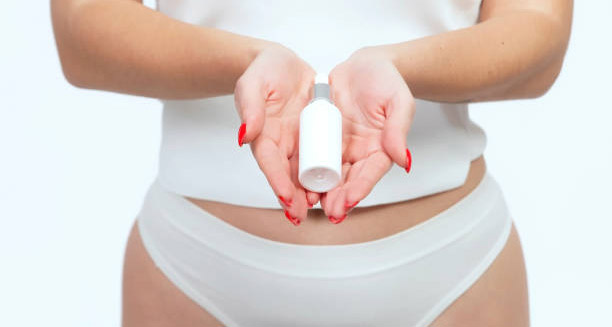
When symptoms are present or the labia are fully fused, treatment of labial fusion usually starts with oestrogen cream. This cream helps separate the labia by thickening and maturing the skin. Doctors often prescribe conjugated oestrogen or oestriol cream, applied once or twice a day for 2 to 4 weeks.
Correct use of the cream is very important. Caregivers should apply a small amount with a clean finger or cotton swab. The cream should be gently rubbed along the line where the labia are stuck—never forced open. Over time, the tissue softens and separates naturally. It’s also crucial not to overuse the cream. Too much can cause mild side effects, like skin irritation, darkening of the skin, or even slight breast development, which usually goes away after treatment stops.
In most cases, oestrogen cream works well. More than 80% of children treated this way see full separation. However, the fusion may return in up to 30% of cases. This often happens when irritants remain, or hygiene continues to be poor. To help prevent this, doctors recommend gentle cleaning with warm water, avoiding scented products, and using barrier creams like petroleum jelly after separation.
Additional Options in the Treatment of Labial Fusion
If the condition doesn’t respond to oestrogen, a mild steroid cream like hydrocortisone might be used. This cream reduces swelling and helps break down the tissue that holds the labia together. Steroids should only be used under medical guidance, as overuse can thin the skin or make it more sensitive.
In rare cases, when other treatments fail or serious problems arise—like urinary retention or frequent infections—a minor surgery may be needed. Surgical treatment of labial fusion is simple and done in a clinic. The doctor carefully separates the labia with a blunt tool, often under local anaesthetic. The procedure is quick and generally painless for children.
After surgery, care at home is essential. Doctors usually suggest using oestrogen cream or petroleum jelly for a few weeks to prevent the labia from fusing again. They may also advise parents to gently pull the labia apart during cleaning routines, which keeps the tissue open as it heals.
Tailoring Treatment of Labial Fusion for Older Patients
In older girls and postmenopausal women, hormonal changes can affect treatment. In these cases, oestrogen cream remains useful, but hormone replacement pills may also help if vaginal dryness or other symptoms are present. If a skin condition like lichen sclerosus is found, doctors must treat that as well.
One key part of treatment of labial fusion—often forgotten—is emotional support. For young children, any exam or treatment involving the genitals can feel scary. Parents and healthcare workers should explain each step in a calm, age-appropriate way. This helps the child feel safe and not ashamed. For older patients, counselling or support groups may help ease anxiety or self-esteem concerns.
Preventing future fusion is an important part of long-term care. Teaching caregivers about gentle cleaning, avoiding irritants, and watching for early signs of fusion can stop the issue from returning. Keeping the area dry and avoiding wet clothing also helps reduce irritation.
Raising awareness among general practitioners and paediatricians is vital. When they understand the condition, they can make the right decisions and avoid unnecessary referrals or treatments.
In conclusion, treatment of labial fusion works well when done with care and clear guidance. Oestrogen creams are the main treatment, supported by good hygiene and sometimes surgery. Most children recover fully and continue to grow up healthy and confident.