
Treatment of leukaemia is a multifaceted and highly individualised process that varies depending on the type of leukaemia, its stage, the patient’s age, overall health, and genetic factors.
Because this blood cancer starts in the bone marrow and affects the blood and immune system, doctors must use strong and carefully planned treatments. The main goals in treating leukaemia are to remove cancer cells, bring back healthy blood cell production, stop the disease from returning, and help patients live well during and after treatment.
Modern Approaches to Treatment of Leukaemia
Today’s treatment of leukaemia often combines several methods. These include chemotherapy, targeted drugs, radiation, stem cell transplants, and new immune-based therapies. Patients also need supportive care to handle side effects, fight off infections, and manage emotional stress.
Different types of leukaemia need different treatment plans. Acute leukaemia and chronic leukaemia do not respond the same way. Subtypes like ALL, AML, CLL, and CML each need unique approaches.
Chemotherapy as the Foundation of Leukaemia Treatment
Chemotherapy is the base of treatment for most leukaemia types, especially acute ones. These drugs attack fast-growing cells, including cancerous white blood cells. Doctors give chemotherapy in cycles. These breaks give the body time to recover.
For Acute Lymphoblastic Leukaemia (ALL), chemotherapy has three stages. First is induction, which aims to kill most of the cancer cells. Then comes consolidation, which removes any cells left behind. Finally, the maintenance phase keeps the disease under control and often lasts for two to three years.
Acute Myeloid Leukaemia (AML) also starts with induction chemotherapy. Doctors usually use drugs like cytarabine and anthracyclines. Sometimes, a second round is needed to reach full remission. After this, patients receive high-dose chemotherapy or stem cell transplants, depending on their risk level.
In chronic leukaemia, like CLL and CML, chemotherapy isn’t always the first choice. Instead, targeted therapies are often used. But in some cases—like when other treatments don’t work or aren’t available—chemotherapy with monoclonal antibodies like rituximab is still used.
Targeted Therapy: A Major Shift in Treatment of Leukaemia
Targeted therapy has changed the way doctors treat leukaemia, especially in chronic forms. These drugs go after specific proteins or genes that help cancer grow. For example, in Chronic Myeloid Leukaemia (CML), drugs called tyrosine kinase inhibitors (TKIs)—like imatinib, dasatinib, or nilotinib—block a protein linked to the disease. This protein is caused by a genetic change called the Philadelphia chromosome.
In Acute Promyelocytic Leukaemia (APL), doctors often use drugs like all-trans retinoic acid (ATRA) and arsenic trioxide instead of chemotherapy. These targeted treatments have very high success rates.
Other targeted therapies include FLT3, IDH1/2, and BCL-2 inhibitors such as venetoclax, often used in CLL. These options help patients stay in remission longer and usually come with fewer side effects than traditional chemotherapy.
Stem Cell Transplants and Radiation
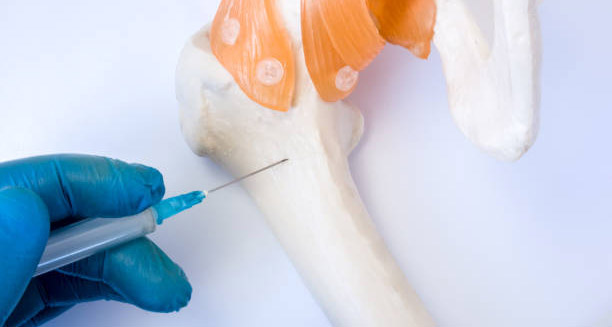
Stem cell transplantation, also called bone marrow transplant, is important for some high-risk or relapsed cases. It involves replacing damaged bone marrow with healthy cells from a donor or from the patient.
Allogeneic transplants, using donor cells, are more common in serious cases. Before the transplant, doctors give strong chemotherapy or radiation to remove the cancer. Then, donor cells are added. This can cure the disease, but also brings serious risks like graft-versus-host disease (GVHD), infections, and organ problems.
Autologous transplants use the patient’s own healthy cells. This is more often used when the disease is under control and mostly in certain lymphomas or clinical trials.
Radiation is less common but still useful in some situations. It can shrink large organs, like the spleen or lymph nodes, or treat cancer that has reached the brain or spinal fluid. Total body irradiation (TBI) is also used before stem cell transplants to kill any remaining cancer and lower the risk of rejection.
Immunotherapy and CAR-T in Treatment of Leukaemia
One of the most exciting changes in the treatment of leukaemia is immunotherapy. These treatments use the body’s own immune system to fight cancer. For example, monoclonal antibodies like rituximab (used in CLL) and blinatumomab (used in ALL) help the immune system find and kill cancer cells.
CAR-T cell therapy is a powerful new option. Doctors collect a patient’s T-cells, change them in a lab to attack leukaemia cells, and then put them back in the body. This treatment is used when other options have failed, especially in ALL and some B-cell lymphomas.
While CAR-T therapy can be very effective, it can also cause serious side effects. These include cytokine release syndrome and brain-related problems. That’s why patients need close care in special treatment centres.
Supportive, Palliative, and Age-Specific Care
Supportive care is a key part of treatment. It includes blood transfusions to treat anaemia and low platelets, antibiotics to prevent infections, and drugs to boost blood cell production. This helps patients feel better and stay strong during treatment.
Emotional care is just as important. Many patients feel anxiety or depression. Counselling, peer groups, and services like nutrition or physical therapy help improve mental and physical health.
Palliative care is offered early for people who can’t have aggressive treatment or have incurable leukaemia. It focuses on easing pain and discomfort, giving emotional support, and helping patients live as fully as possible.
Treatment of Leukaemia in Children and Older Adults
Children need special care when being treated for leukaemia. Their bodies react differently to drugs, and doctors must think about long-term effects. Children with ALL often do very well because of fast diagnosis and strong treatment plans.
Still, cancer treatment affects children emotionally and mentally. Paediatric teams include psychologists, play therapists, and school support workers to help children stay on track with their development.
Older adults face other challenges. Many have other health problems, and their bodies may not handle strong treatments. In these cases, doctors may choose gentler treatments or suggest clinical trials that offer new, lower-risk options.
Clinical Trials and the Future of Treatment
Clinical trials are shaping the future of leukaemia care. These research studies test new drugs, better combinations, and advanced technologies. They offer hope for patients who do not respond to standard care and also help improve treatment for others worldwide.
Personalised medicine is becoming more common. Doctors can now design treatment plans based on the patient’s genes and the cancer’s DNA. New tools like artificial intelligence also help predict how well a treatment might work. Another exciting advance is the liquid biopsy—a simple blood test that can track how well the treatment is going.