
Treatment of Lichen Sclerosus is essential to manage symptoms, reduce skin damage, and improve the quality of life for those living with this chronic skin condition.
Because Lichen Sclerosus often causes intense itching, pain, and scarring—especially in private areas—getting medical care quickly is very important. The treatment of Lichen Sclerosus usually includes strong topical medicines, ongoing care plans, and sometimes surgery.
There is no cure yet, but effective treatments can greatly reduce flare-ups and stop serious complications. Doctors choose the treatment based on how severe the condition is, where it affects the body, and how well the patient responds. The main goal is always to ease symptoms and protect the skin from further damage.
Topical Steroids and Moisturisers
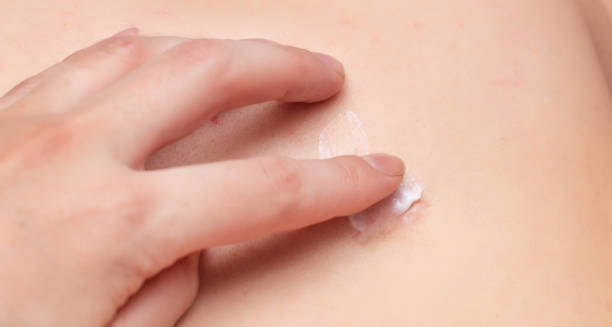
The most common treatment of Lichen Sclerosus is high-strength steroid creams like clobetasol propionate. These are used once or twice a day to calm swelling, reduce itching, and soften thick skin. When used properly and under a doctor’s care, they help restore the skin and reduce discomfort. Patients usually use these creams daily at first, then slowly reduce the amount to a maintenance level.
Some people worry about using strong steroids for a long time. However, with regular check-ups, they are safe and work well. In fact, starting treatment early and using it consistently is one of the best ways to stop scarring and skin sticking together, especially in genital cases.
Doctors also recommend moisturisers and emollients to keep the skin hydrated. These creams help soothe the skin, reduce rubbing, and act as a barrier. While they don’t treat the condition directly, they support other treatments and help prevent skin cracking. Using them after bathing or urinating is especially helpful.
Barrier creams like zinc oxide or petroleum jelly can protect the area from moisture and irritation. This is especially useful for children or people who have trouble with bladder control.
Alternative Medications and Surgery Options
When steroid creams aren’t suitable or cause problems, doctors may suggest other treatments. One option is calcineurin inhibitors such as tacrolimus or pimecrolimus. These reduce swelling and itching without making the skin thinner. They are usually more expensive and can sting when applied, but they help in long-term care—especially for people who can’t use steroids often or who have delicate skin.
In more serious cases, surgery may be needed. Men with tight foreskin (phimosis) might need circumcision. In women, scarring and skin sticking together can make sex or urination painful. Minor surgery may help free the tissue or open the vaginal area. However, surgery is a last step. It should always be followed by medical care to keep symptoms from coming back.
Rarely, doctors may use ultraviolet light therapy (phototherapy) if other treatments fail or the disease spreads outside the genitals. This helps calm the immune system and reduce swelling. Phototherapy is usually not used on the genitals.
New Therapies, Self-Care, and Monitoring
Researchers are also exploring newer treatments for Lichen Sclerosus. These include platelet-rich plasma (PRP) and laser therapy. Early results suggest they may help repair skin and reduce scarring, but more studies are needed before they become routine care.
Treatment of Lichen Sclerosus also includes lifestyle changes and proper self-care. People should:
- Avoid products like scented soaps or bubble baths
- Use gentle, unscented cleansers or soap-free options
- Pat skin dry gently—don’t rub
- Wear cotton underwear and loose clothing to avoid friction
Sexual lubricants may ease discomfort during intimacy. Pelvic floor therapy may also help if pain or tightness is present.
Since this condition lasts a long time, regular check-ups are essential. Doctors use these visits to check progress, adjust treatment, and watch for early signs of problems. In rare cases, especially in older women, Lichen Sclerosus can raise the risk of skin cancer. That’s why long-term monitoring is so important.
Specialists like dermatologists or gynaecologists may check the skin during visits. They may also take a biopsy if ulcers, thick patches, or ongoing irritation appear.
Emotional Support and Long-Term Outlook
Treatment of Lichen Sclerosus also means looking after a patient’s mental health. Living with a long-term condition, especially one affecting private areas, can affect mood and self-image. Many people feel anxious, ashamed, or less confident. Giving patients clear information and setting realistic expectations can ease these feelings. Support groups and counselling can also help with the emotional side of the disease.
In summary, treatment of Lichen Sclerosus focuses on strong steroid creams, regular follow-ups, and good self-care. Some people may also need surgery or newer treatments like PRP or laser therapy. A full approach that includes physical care, mental health support, and lifestyle changes offers the best chance of managing the condition and staying well.