
Treatment of lipoedema involves a comprehensive and multifaceted approach aimed at managing the symptoms, improving the quality of life, and slowing the progression of the condition.
Since lipoedema is a long-term and often misunderstood disorder, getting the right help early makes a big difference. A strong treatment plan focuses on both the body and mind. Personalised care is key. It should aim to ease symptoms and improve daily life.
Although there is no cure yet, both non-surgical and surgical methods help ease issues like pain, heaviness, trouble moving, and emotional stress. A complete plan may include changes in daily habits, wearing compression garments, special massage therapy, and sometimes liposuction. Each part of the plan depends on how far the condition has progressed.
Conservative (Non-Surgical) Treatments
A big part of the treatment of lipoedema starts with non-surgical steps, especially during early stages or when surgery isn’t possible. These treatments try to ease discomfort, slow things down, and help the lymphatic system work better.
Compression therapy is one of the most important parts. Special compression clothes, like leggings or sleeves, help lower swelling and improve blood and fluid flow. People usually wear them during the day and sometimes at night, depending on their condition. These garments also help reduce pain and the heavy feeling in the limbs.
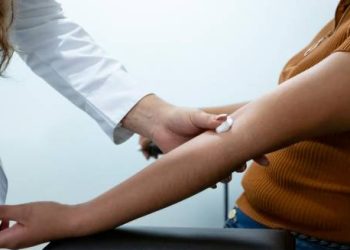
Manual lymphatic drainage (MLD) is another helpful therapy. This gentle massage boosts the flow of lymph fluid and lowers fluid build-up. It works best when combined with other treatments and should be done by someone trained to treat lipoedema.
Exercise also plays a helpful role in the treatment of lipoedema. Simple activities like swimming, walking, and cycling improve blood flow, keep the body moving, and stop other issues like weight gain. Exercises should not put too much pressure on the joints. In some cases, guidance from a professional is best.
Nutritional advice matters too. While losing weight doesn’t get rid of lipoedema fat, staying at a healthy weight supports the lymphatic system and boosts overall health. Eating fewer processed foods, sugar, and salt may reduce swelling and fluid build-up.
Psychosocial Support and Mental Health Care
Another vital part of the treatment of lipoedema is caring for mental and emotional health. Many people with this condition feel low, anxious, or alone. Some even struggle with depression and poor self-image.
Support groups, therapy, and cognitive behavioural therapy (CBT) offer much-needed help. These resources let people talk about their feelings, learn how to cope, and connect with others who understand their journey.
Healthcare professionals must listen and take their patients seriously. Being ignored or misdiagnosed can make mental health worse. Helping people understand their condition and find others going through the same thing builds confidence and a sense of community.
Surgical Treatment Options
In more serious cases, when other methods aren’t enough, surgery becomes an option. Surgical treatment of lipoedema often includes liposuction. Special types like tumescent or water-assisted liposuction remove the diseased fat and reshape the limbs.
This isn’t the same as regular cosmetic surgery. Lipoedema surgery targets specific problem areas and must be done by a surgeon who knows the condition well. The results can reduce pain, improve movement, and make daily life easier. But often, more than one session is needed. Surgery works best when paired with other treatments like compression and massage.
Before surgery, people must be in good general health and have clear, realistic goals. After surgery, care continues with compression garments, physical therapy, and sometimes MLD to help healing and keep results strong.
Long-Term Management and Follow-Up
The treatment of lipoedema doesn’t stop after surgery or early therapy. Long-term care is important to stop the condition from getting worse and to protect both physical and emotional health.
Ongoing check-ups with different experts help meet changing needs. Doctors may include vein specialists, lymphatic therapists, skin experts, and dietitians. They also watch for problems like lipo-lymphoedema, which is when lipoedema leads to another type of swelling.
Daily habits matter. Wearing compression clothing, eating well, staying active, and taking time for self-care can all help. Following a personal care plan lowers the risk of new problems and helps people stay independent.
Challenges in Accessing Care
Sadly, getting proper treatment of lipoedema is still hard in many places. Some people are wrongly diagnosed or face doctors who don’t know much about the condition. Costs can also stop people from getting help.
Efforts to raise awareness are ongoing. More research money and better training for doctors are badly needed. In some countries, healthcare plans do not pay for lipoedema treatment. That puts extra stress on patients.
Because of this, many people become their own advocates. They learn about their condition, connect with others online, and look for doctors who understand lipoedema. Online groups and websites give them the tools and support they need.
Emerging Therapies and Future Directions
New research is giving hope for better treatment of lipoedema. Studies are exploring the role of genes and testing new ways to manage the disease. Possible future options include enzyme treatments, anti-inflammatory drugs, and cell-based therapies.
Technology also offers promise. Mobile apps and wearable devices now help people track symptoms, log activity, and manage their health. These tools could become key parts of personal care plans in the future.
As awareness spreads, experts are working toward faster diagnosis, clear treatment steps, and more access to team-based care. The future of treatment of lipoedema will likely mix medicine, surgery, and lifestyle care. Most importantly, it will match the plan to each person’s needs.