
Treatment of lymphoedema is aimed at reducing swelling, preventing complications, and improving a patient’s quality of life. Although lymphoedema is a chronic condition with no definitive cure, early intervention and ongoing management can significantly control symptoms and halt progression. The most effective care involves a combination of physical therapies, lifestyle changes, and, in some cases, surgical or pharmacological interventions.
Complete Decongestive Therapy (CDT) in Treatment of Lymphoedema
The best approach for treatment of lymphoedema is Complete Decongestive Therapy (CDT). This non-surgical method uses several steps to manage swelling. CDT works in two main stages:
a) Intensive Phase
During this phase, a trained therapist helps the patient daily using these methods:
- Manual Lymphatic Drainage (MLD): A light massage that moves fluid to working lymph areas.
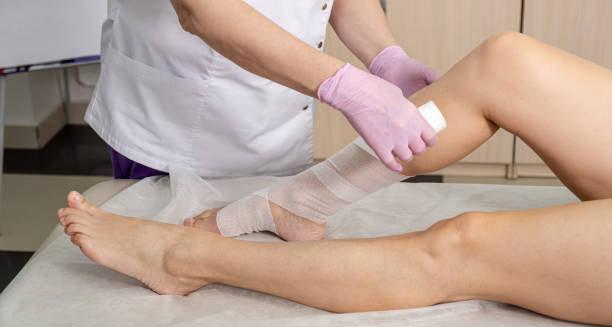
- Compression Therapy: Layers of bandages or special garments stop fluid from coming back.
- Skin Care: Clean skin and moisturiser help avoid infection.
- Exercise: Simple movements help muscles push fluid back into circulation.
b) Maintenance Phase
After the swelling goes down, patients move into self-care. This includes:
- Wearing compression garments every day
- Doing self-massage
- Keeping skin clean and soft
- Exercising regularly
CDT helps reduce swelling and improves symptoms at every stage of the condition.
Compression Therapy
Compression is a key part of treatment of lymphoedema. It helps the fluid move out of the affected area and prevents it from coming back.
There are a few types of compression tools:
- Compression bandages: Used in the early phase of treatment
- Compression garments: Used in the long term — includes sleeves or stockings tailored to the limb
- Intermittent pneumatic compression (IPC): Air-filled sleeves that squeeze and release to mimic muscle movement
Correct fit is very important. Ill-fitting garments can cause harm, so regular checks are needed.
Manual Lymphatic Drainage (MLD)
MLD is a gentle massage technique. It follows natural lymph flow paths to help drain blocked areas.
This massage:
- Stimulates healthy lymph vessels
- Reroutes fluid past damaged areas
- Relieves pressure and swelling
Trained therapists usually perform MLD. However, patients can learn how to do it themselves as part of long-term care.
Exercise and Movement
Exercise keeps the lymph system working well. Muscles act like pumps to move the fluid.
Patients should always wear compression garments during activity. A lymphoedema therapist can suggest a safe routine. Suitable exercises include:
- Walking
- Swimming
- Light cycling
- Yoga or stretching
- Gentle weight training
The goal is to stay active without putting too much strain on the limb.
Skin Care and Infection Prevention
Skin care plays a big role in preventing serious problems like cellulitis. Infected skin can make swelling worse.
Good habits include:
- Washing and moisturising daily
- Treating cuts, insect bites, or rashes right away
- Avoiding needles, blood pressure cuffs, or tight bands on the swollen limb
- Watching for early signs of infection such as redness, heat, or pain
Teaching these habits is a big part of any treatment plan.
Surgical Options in Treatment of Lymphoedema
Sometimes, therapy alone isn’t enough. In advanced or hard-to-treat cases, surgery may help.
a) Lymphaticovenous Anastomosis (LVA)
Doctors connect lymph vessels to nearby veins so fluid can bypass blockages. This works best in early cases.
b) Vascularised Lymph Node Transfer (VLNT)
Surgeons move healthy lymph nodes from another part of the body to the swollen area. This helps restart drainage.
c) Liposuction
When tissue becomes hard and fatty, liposuction can remove it. Even after surgery, patients still need to wear compression garments.
These surgeries are only done in special centres and are for severe cases.
Medications
There is no drug that cures lymphoedema. But some medicines help with problems linked to the condition:
- Antibiotics: Fight infections like cellulitis
- Diuretics: Not usually used, as they remove water but not protein
- Pain medicine: Helps ease swelling pain
- Anti-inflammatory creams: Used for skin issues
Scientists are still studying new drugs to help repair the lymph system.
Emotional Support and Mental Health
Treatment of lymphoedema isn’t only physical. It also affects how people feel about themselves.
Many patients deal with:
- Worry about appearance
- Feeling low or withdrawn
- Trouble talking about the condition
Support groups, counselling, and education help people manage these feelings. Mental health care is an important part of the full treatment plan.
Lifestyle Modifications to Support Treatment of Lymphoedema
Changing daily habits makes a big difference. These changes help control swelling and stop it from getting worse.
- Keep a healthy weight: Extra weight makes swelling worse
- Eat well: Less salt and more anti-inflammatory foods help the body
- Wear loose clothes: Tight bands can block lymph flow
- Take care when flying: Wear compression garments during air travel to prevent swelling
Lifestyle education is key to staying healthy in the long term.
Summary
The treatment of lymphoedema includes many steps and must be ongoing. Most patients start with non-surgical therapies like Complete Decongestive Therapy, compression, massage, exercise, and skin care. In harder cases, surgery may help.
Mental health and daily habits are just as important. With the right care plan, patients can feel better, move easier, and enjoy a higher quality of life.