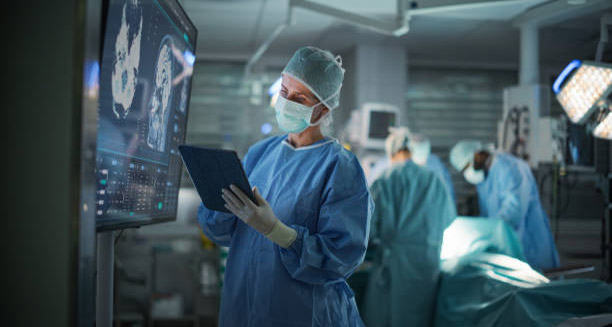

The treatment of malignant brain tumour requires a multifaceted, carefully tailored approach involving a combination of surgery, radiation therapy, chemotherapy, targeted treatments, and supportive care. The choice of therapy depends on several critical factors, including the tumour’s type, location, size, grade, genetic profile, and the patient’s overall health. Because malignant brain tumours are aggressive and can significantly affect neurological function, treatment goals often focus on prolonging life, relieving symptoms, and preserving quality of life.
In this section, we explore the various treatments used for malignant brain tumour. We cover standard methods, new therapies, and supportive care options.
Surgical Treatment of Malignant Brain Tumour
Surgery usually starts the treatment of malignant brain tumours, especially when the tumour is reachable and safe to remove. Surgeons perform a craniotomy, which means removing part of the skull to reach the brain and take out as much tumour as they can.
Goals of Surgery:
- Remove as much tumour as possible without hurting important brain areas
- Lower pressure inside the skull
- Get tissue samples for diagnosis and genetic tests
- Improve symptoms caused by the tumour
Sometimes, doctors cannot remove the whole tumour because it is close to vital brain parts. In these cases, they remove part of it and follow up with other treatments.
Advanced Surgical Techniques:
- Intraoperative MRI gives real-time pictures during surgery
- Fluorescence-guided surgery uses special dyes to spot tumour tissue
- Awake craniotomy lets patients stay awake to protect speech or movement areas
- Neuro-navigation acts like a GPS for precise surgery
These tools make surgery safer and more effective.
Radiotherapy in Treatment of Malignant Brain Tumour
Radiation therapy plays a key role, especially when surgery cannot remove the entire tumour or surgery isn’t an option.
Types of Radiation Therapy:
- External beam radiotherapy (EBRT): The most common method, delivering focused X-rays over weeks
- Stereotactic radiosurgery (SRS): Gives high-dose radiation in one or a few sessions, often for small tumours
- Proton beam therapy: A precise method that limits damage to healthy tissue
- Whole brain radiotherapy (WBRT): Used when tumours spread widely or there are many
Patients usually get radiation daily for 5 to 6 weeks. Side effects can include tiredness, hair loss, nausea, and short-term memory problems. Doctors manage these with supportive medicines.
Chemotherapy for Malignant Brain Tumour
Chemotherapy uses strong drugs to kill fast-growing cancer cells. Doctors use it:
- After surgery and radiation (adjuvant therapy)
- If the tumour comes back
- When surgery is not possible
Common Chemotherapy Drugs:
- Temozolomide (TMZ): The main first-choice drug for glioblastoma, often combined with radiation
- Carmustine (BCNU): Sometimes given as wafers implanted during surgery (Gliadel wafers)
- PCV (Procarbazine, Lomustine, Vincristine): Used together for some gliomas
Chemo can be given by mouth, through veins, or directly into the brain fluid. Tumours can become resistant, so doctors use genetic tests to choose the best drugs.
Targeted Therapy
Targeted therapy uses drugs that attack specific features or mutations in cancer cells. This approach protects healthy tissue better and is growing in use.
Examples include:
- Bevacizumab (Avastin): Blocks blood vessel growth in glioblastomas
- EGFR inhibitors: Used when tumours have too much epidermal growth factor receptor
- IDH inhibitors: For tumours with certain gene changes
Doctors often use these when standard treatments don’t work or during clinical trials.
Immunotherapy
Immunotherapy is a newer approach that tries to help the immune system fight the tumour. Though still being studied, it shows promise.
Types of Immunotherapy:
- Checkpoint inhibitors: Help immune cells attack cancer by removing brakes
- Cancer vaccines: Train the immune system to spot tumour cells
- CAR-T cell therapy: Uses modified immune cells to kill cancer
Trials are ongoing to test safety and effectiveness, with mixed results so far.
Tumour-Treating Fields (TTF)
Tumour-treating fields use electric fields delivered by a wearable device to stop cancer cells from dividing.
- Approved for glioblastoma
- Usually combined with temozolomide after initial treatment
- Patients wear the device for at least 18 hours daily for best effect
Though still being studied, TTFs may help improve survival when used consistently.
Hormonal and Endocrine Management
If the tumour affects the pituitary gland or hypothalamus, it can cause hormone problems. Treatment includes:
- Corticosteroids to reduce brain swelling
- Thyroid hormone replacement
- Supplements for growth hormone, sex hormones, or cortisol
Doctors carefully watch hormone levels to avoid further health problems.
Palliative and Supportive Care
Because malignant brain tumours grow quickly, supportive care is essential. This care includes:
- Steroids like dexamethasone to lower swelling and pressure
- Medicines to control seizures
- Pain relief
- Speech, physical, and occupational therapy for rehab
- Nutrition help for patients with swallowing or appetite issues
- Counseling for emotional support
Palliative care often begins early to keep quality of life as high as possible.
Clinical Trials and Emerging Therapies
Patients often get the chance to join clinical trials. These studies test new treatments that are not yet widely available, including:
- New drug combinations
- Genetic therapies
- Novel immunotherapies
- Advanced radiation methods
Joining trials offers hope and helps improve future brain cancer care.
Lifestyle and Holistic Approaches
While not cures, lifestyle changes and holistic care support treatment by:
- Eating a healthy, nutrient-rich diet and staying hydrated
- Doing gentle exercise to keep strength
- Using mindfulness, meditation, and stress reduction techniques
- Getting help from family and caregivers
These actions reduce side effects, improve mood, and help patients cope.
Prognosis and Follow-Up
After treatment, patients have regular MRI scans and doctor visits to watch for tumour return. Outlook depends on:
- Tumour type and grade (such as glioblastoma versus oligodendroglioma)
- How much tumour was removed
- Patient’s age and general health
- Molecular markers like MGMT methylation
Even with strong treatment, some tumours may come back. Doctors may suggest more surgery, radiation, or second-line chemo in those cases.
Summary
The treatment of malignant brain tumour requires a team effort and personalized plan. It blends surgery, radiation, chemotherapy, and newer options like immunotherapy and targeted drugs. Though these tumours remain very hard to treat, advances in brain cancer care bring new hope. With ongoing support, close monitoring, and access to innovative treatments, many patients can keep a meaningful quality of life despite the challenges.