
Treatment Options for Bone Cysts
Treatment options for bone cysts depends on the type, size, location, and whether the cyst is causing symptoms or complications like fractures. Many bone cysts resolve on their own, particularly simple bone cysts in children, but some may require intervention to prevent bone weakening or deformity.
1. Observation (watchful waiting)
- Doctors often monitor small, symptom-free cysts with regular X-rays.
- Many cysts shrink or disappear with age and don’t require treatment.
- Doctors typically review children every 3–6 months to check that the cyst isn’t growing.
2. Steroid injections
- A common treatment for unicameral bone cysts.
- Corticosteroids are injected directly into the cyst to promote healing and reduce fluid accumulation.
- Several injections may be needed over time.
3. Bone grafting
- Used when a cyst has weakened the bone or caused a fracture.
- Involves filling the cavity with bone chips from the patient or donor (autograft or allograft).
- Promotes bone regeneration and stabilises the area.
4. Curettage and internal fixation
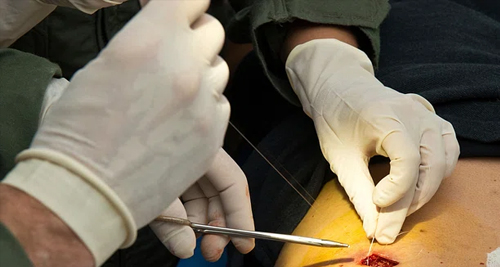
- Involves surgically scraping out the cyst and filling it with bone graft or bone cement.
- May be combined with metal plates or screws if the bone is unstable.
5. Sclerotherapy
- Doctors inject a chemical solution to harden the cyst wall and lower the risk of recurrence.
- Used primarily in aneurysmal bone cysts.
6. Resection (removal)
- Rarely needed unless the cyst is very large, aggressive, or not responding to other treatments.
7. Physical therapy
- When surgery or a fracture occurs, rehabilitation helps restore strength and mobility
In South Africa, treatment is accessible through both public and private orthopaedic clinics. Surgical options are available in tertiary hospitals, though waiting times may vary.
Treatment Options for Bone Cysts
The goal is to stabilise the bone, relieve symptoms, and prevent recurrence, allowing the child or adolescent to resume normal activities.
👉 [Next: Recovery and Long-Term Outlook]