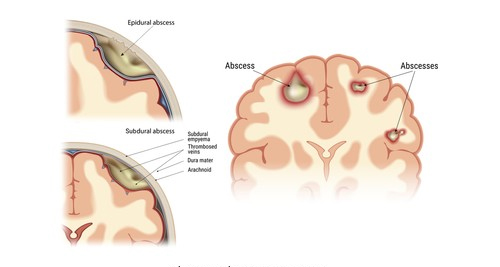

Treatment Options for Brain Abscess
The treatment options for brain abscess focus on eliminating the infection, relieving pressure, and preventing complications. The combination of antibiotics and surgical drainage remains central to managing the condition. Understanding the available treatment helps ensure the best outcomes for patients.
5 Treatment Options for Brain Abscess
1. Intravenous antibiotics
Doctors start a powerful course of IV antibiotics immediately—usually before lab results confirm the exact pathogen. They typically continue treatment for 4 to 8 weeks and adjust it once cultures identify the organism.
Common antibiotics include:
- Ceftriaxone or cefotaxime
- Metronidazole
- Vancomycin (in resistant or hospital-acquired infections)
2. Surgical drainage
If the abscess is large, growing, or causing significant pressure symptoms, neurosurgeons may perform a procedure to drain the pus. This is done either via:
- Needle aspiration (minimally invasive)
- Craniotomy (open surgery to remove the abscess wall)
3. Treating underlying infection
Doctors must treat infections in the ear, sinus, lung, or teeth if they caused the abscess, to prevent it from coming back.
4. Anti-seizure medication
Seizures are common with brain abscesses. Anticonvulsants may be prescribed during treatment and continued for several months after recovery.
5. Steroids
Used only in cases of life-threatening brain swelling. Prolonged use may suppress immune function and interfere with abscess healing, so they are used sparingly.
In South Africa, access to treatment can vary. Urban centres usually offer full neurosurgical and imaging support, while rural patients may require urgent transfer to specialist facilities.
Treatment Options for Brain Abscess
With early intervention, most patients recover fully. Delayed or incomplete treatment, however, can result in long-term brain damage or death.
👉 [Next: Living with Brain Abscess – Recovery and Outlook]