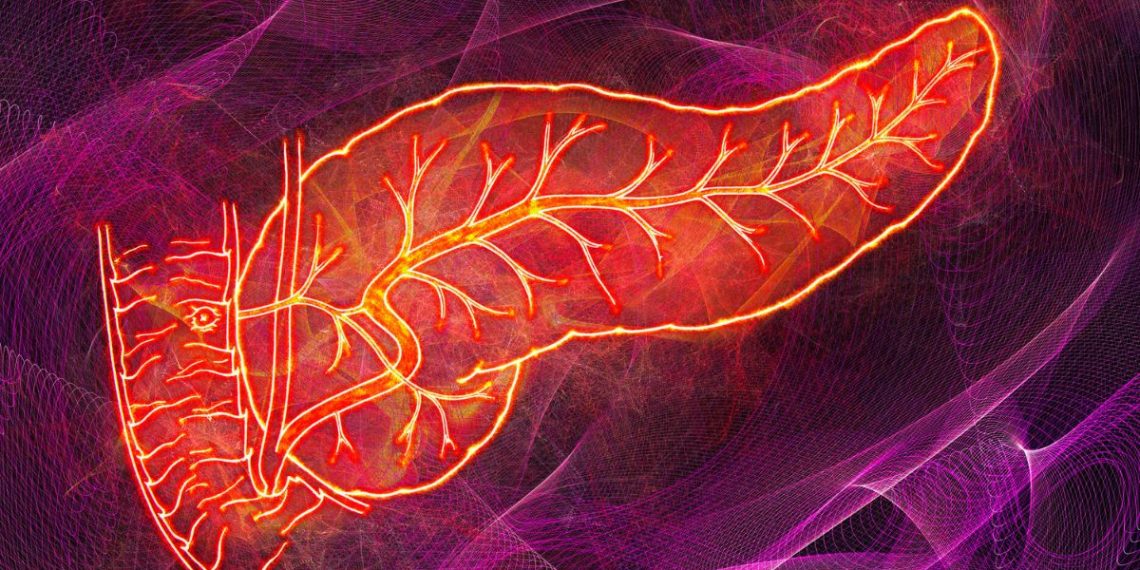

Pancreatitis is typically caused by gallstones, alcohol use, or certain medications. But in a surprising number of cases, doctors are unable to determine a clear cause — even after thorough testing. This form of the condition is called idiopathic pancreatitis, meaning it has no identifiable origin.
What Is Idiopathic Pancreatitis?
The term idiopathic refers to any condition that arises without a known cause. When applied to pancreatitis, it means the pancreas becomes inflamed but the usual culprits — like gallstones, alcohol, or infections — are not found during diagnosis. Idiopathic pancreatitis can be acute (a sudden episode) or chronic (ongoing inflammation over time).
How Common Is It?
Idiopathic pancreatitis accounts for a significant portion of acute pancreatitis cases worldwide. According to various clinical reviews and observational studies, around 10% to 30% of acute pancreatitis cases are labelled as idiopathic, meaning no clear cause can be identified even after standard diagnostic testing. This wide range reflects differences in diagnostic tools, healthcare access, and population health across regions. The condition appears to be slightly more common in older adults and may require more specialised imaging or follow-up tests to rule out less obvious causes, such as genetic mutations, autoimmune triggers, or microlithiasis.
Potential Hidden Causes
Idiopathic doesn’t always mean the cause is unknowable — sometimes it just requires more advanced investigation. Possible overlooked factors include:
- Microlithiasis – tiny gallstones that are difficult to detect on standard scans
- Genetic mutations – often seen in younger patients or those with a family history
- Sphincter of Oddi dysfunction – a muscle issue affecting bile and pancreatic ducts
- Autoimmune pancreatitis – where the body’s immune system attacks the pancreas
- Anatomical abnormalities – like pancreas divisum, where the ducts don’t join properly
Diagnosing Idiopathic Pancreatitis
Doctors may recommend further tests when they cannot find a cause initially, such as:
- Endoscopic Ultrasound (EUS) – a closer look at the pancreas and bile ducts
- MRCP (Magnetic Resonance Cholangiopancreatography) – a specialised MRI scan
- Genetic screening – in selected cases, especially recurrent or early-onset cases
- Autoimmune panels – to detect immune-related inflammation
These tests can help uncover less obvious causes and guide more targeted treatment.
Why It Matters
Knowing the cause of pancreatitis helps reduce the chance of future episodes. Even if they don’t find a definite cause, doctors can use the pattern of your condition to provide personalised care. If the condition recurs — called recurrent idiopathic pancreatitis — it may increase the risk of chronic pancreatitis, which can lead to long-term complications.
Living With Idiopathic Pancreatitis
For many people, lifestyle changes such as eating a low-fat diet, managing medications, and regular monitoring help manage the condition. Continued follow-up with a gastroenterologist is important, especially in recurrent or chronic cases.
Reviewed April 2025. Always consult a professional for individual guidance.
Acute Pancreatitis: An Overview
Complications and Recovery from Chronic Pancreatitis
Could Idiopathic Pancreatitis Be a Prognostic Clue in Crohn’s Disease?