Diagnosis of Albinism
Albinism is usually diagnosed at birth or in early childhood, as the signs are often visible. A baby born with noticeably lighter skin. White or light blond hair, and pale eyes compared to siblings or parents may raise concerns that prompt further investigation. In South Africa, early diagnosis is important due to the increased risks of sun exposure and social stigma.
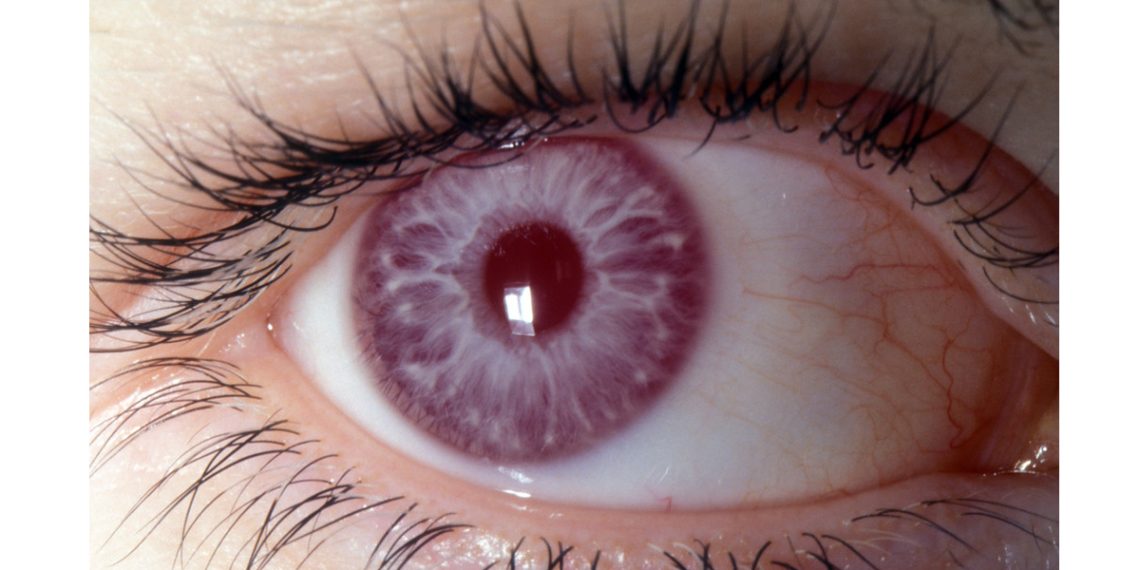
A physical examination by a doctor will assess skin and hair pigmentation and look for visual signs such as involuntary eye movements or sensitivity to light. The eyes often give the clearest diagnostic clue. Hereby, a lack of melanin in the retina and abnormal optic nerve development can be detected through an eye exam.
A comprehensive eye test may include:
- Checking for reduced visual acuity
- Identifying nystagmus (involuntary eye movement)
- Assessing strabismus (misaligned eyes)
- Testing how light-sensitive the eyes are
In some cases, genetic testing may be recommended. This is especially useful in identifying the type of albinism and ruling out syndromic forms like Hermansky-Pudlak Syndrome. Which may require additional medical monitoring. Genetic testing can also assist with family planning decisions.
Differential diagnosis is important. Other conditions, like vitiligo, can also cause light patches on the skin. However, do not involve the eyes or hair in the same way. Similarly, extremely fair-skinned babies may simply have less melanin without having albinism.
Diagnosis of Albinism
Early diagnosis allows for intervention, including regular vision assessments, referral to low-vision specialists, and sun safety education. In public hospitals and clinics in South Africa. Support is often available for families with children affected by albinism, though access may vary by region.
👉 [Next: Treatment for Albinism]