Mental Matters

Amyloidosis

Amyloidosis

Amyloidosis

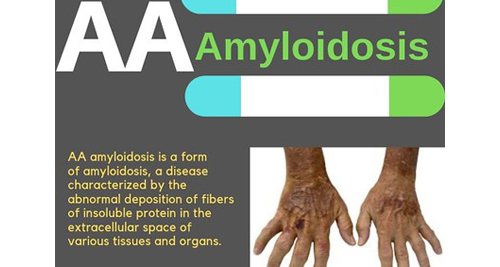
Amyloidosis Overview Amyloidosis is a rare but serious medical condition in which abnormal protein deposits, called amyloid, accumulate in organs and tissues throughout the body. These protein clumps interfere with normal organ function and can eventually lead to organ failure if left untreated. Amyloid proteins are usually broken down and eliminated by the body. But in amyloidosis, they misfold and accumulate, forming rigid, insoluble fibres in places they shouldn’t be — such as the heart, kidneys, liver, spleen, nerves, and digestive tract. The type of organ involved often determines the symptoms a patient experiences. Common Features Amyloidosis is not a single disease but rather a group of conditions with a common feature: amyloid buildup. The major types include: Misdiagnosed Cases Although the condition is rare, awareness is growing, especially in specialist centres in South Africa, where doctors sometimes misdiagnose cases due to vague symptoms Early diagnosis is crucial. With the right care, doctors can manage symptoms, and they may slow or even halt organ damage in some cases. 4o mini. In the next section, we’ll explore what causes these abnormal protein deposits and how each type of this condition differs. 👉 [Next: Causes and Types of Amyloidosis] Causes of Cataracts in Adults Treatment for Amyloidosis Diagnosis of Amyloidosis Complications of Amyloidosis
Amyloidosis Read More »

Causes and Types of Amyloidosis

Causes and Types of Amyloidosis

Causes and Types of Amyloidosis Amyloidosis occurs when abnormal proteins misfold, become sticky, and collect in tissues where they don’t belong. Amongst the causes and types of amyloidosis, the exact cause depends on the type of amyloidosis, each with its own triggers, risk factors, and disease process. 1. AL (Light Chain) Amyloidosis 2. AA (Secondary) Amyloidosis 3. Hereditary (Familial) Amyloidosis 4. Dialysis-Related Amyloidosis Risk Factors Across All Types Understanding the type of amyloidosis is crucial because treatment varies widely. The next step in care involves proper diagnosis — which is often delayed due to non-specific symptoms. 👉 [Next: Diagnosis of Amyloidosis] Causes of Cataracts in Adults Amyloidosis Treatment for Amyloidosis Complications of Amyloidosis
Causes and Types of Amyloidosis Read More »

Diagnosis of Amyloidosis

Diagnosis of Amyloidosis

Diagnosis of Amyloidosis Diagnosing amyloidosis can be challenging because its symptoms are vague and overlap with many other conditions. In the Diagnosis of Amyloidosis, early signs may be mistaken for fatigue, kidney problems, or even simple ageing. For this reason, many people are only diagnosed when organ damage is already advanced. Step 1: Clinical Suspicion Doctors begin with a detailed history and physical examination, looking for signs like: Red flags may include unexplained heart failure or kidney dysfunction in someone without typical risk factors. Step 2: Laboratory Tests Blood and urine tests can reveal: Serum and urine protein electrophoresis and free light chain assays are key in detecting monoclonal proteins linked to AL amyloidosis. Step 3: Biopsy Definitive diagnosis requires a tissue biopsy. Common sites include: A special stain called Congo red shows apple-green birefringence under polarised light — confirming amyloid. Step 4: Typing the Amyloid Once doctors confirm amyloid, further testing (immunohistochemistry or mass spectrometry) determines the type of amyloid protein involved, which is essential for selecting the correct treatment In South Africa, doctors may diagnose amyloidosis through academic hospitals and tertiary centres, though accessing advanced testing may require a referral Early detection makes a significant difference in survival and quality of life. Let’s explore how doctors treat amyloidosis. 👉 [Next: Treatment for Amyloidosis] Diagnosis and Testing for Bladder Stones Causes and Types of Amyloidosis Amyloidosis Complications of Amyloidosis
Diagnosis of Amyloidosis Read More »

Treatment for Amyloidosis

Treatment for Amyloidosis

Treatment for Amyloidosis Treatment for amyloidosis focuses on stopping the production of amyloid proteins, managing symptoms, and protecting affected organs. The approach varies depending on the type of amyloidosis and how far the disease has progressed. AL (Primary) Amyloidosis Treatment AA (Secondary) Amyloidosis Treatment Hereditary Dialysis-Related Supportive Care Regardless of type, supportive treatment is critical: Lifestyle Adjustments With early treatment, doctors can stabilize or even improve symptoms. However, in late stages, the condition may be harder to control. Understanding the risks is vital. 👉 [Next: Complications of Amyloidosis] Causes of Alzheimer’s Disease Causes and Types of Amyloidosis Amyloidosis Diagnosis of Amyloidosis

Treatment for Amyloidosis Read More »

Complications of Amyloidosis

Complications of Amyloidosis

Complications of Amyloidosis Amyloidosis can affect multiple organs. The complications of amyloidosis depend on which organs are involved. Left untreated, these complications can become life-threatening. 1. Heart Complications Cardiac involvement is the most serious complication and a major cause of death in AL amyloidosis. 2. Kidney Complications 3. Nerve Damage (Peripheral Neuropathy) In hereditary amyloidosis, nerve damage is often severe and disabling. 4. Liver and Gastrointestinal Involvement 5. Bleeding Tendencies Amyloid deposits in blood vessels may increase the risk of easy bruising or bleeding, especially in the skin or around the eyes. 6. Psychological Impact Support groups and mental health services play a key role in holistic care. Final Thoughts Amyloidosis is complex but manageable, especially with early diagnosis, specialist care, and family support. Awareness is growing, and treatment options continue to improve globally and in South Africa. 👉 End of Series | Back to Overview Causes of Alzheimer’s Disease Causes and Types of Amyloidosis Treatment for Amyloidosis Diagnosis of Amyloidosis

Complications of Amyloidosis Read More »

Scroll to Top